
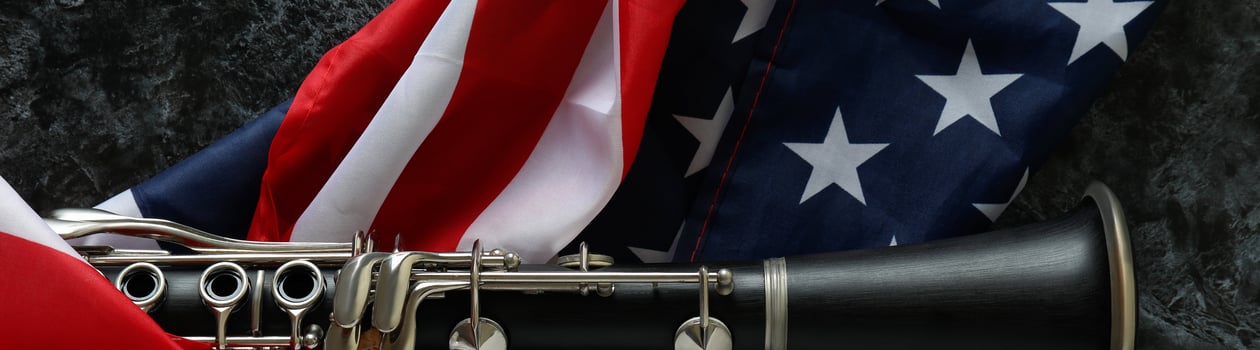
The Stars and Stripes Forever Day celebrates the iconic American march composed by John Philip Sousa. Sousa’s composition is renowned for its uplifting melody and patriotic spirit, making it a staple at many American events.
This day is significant as it honors the first public performance of this rousing piece, which has since become a symbol of national pride. It helps remind people of the power of music to inspire and unite communities, reflecting the enduring legacy of Sousa’s work!
Stars and Stripes Forever Day Timeline
Birth of John Philip Sousa
John Philip Sousa, later celebrated as “The March King,” is born in Washington, D.C., into a musical family that helps shape his future as a leading American bandmaster and composer.
Sousa Becomes Leader of the U.S. Marine Band
Sousa is appointed conductor of the United States Marine Band, known as “The President’s Own,” and modernizes its repertoire and style, bringing concert marches to wider American audiences.
Composition and Premiere of “The Stars and Stripes Forever”
Sousa reportedly conceives “The Stars and Stripes Forever” while returning from Europe in late 1896, completes it early in 1897, and premieres the march with his band in Philadelphia on May 14, 1897.
Publication of “The Stars and Stripes Forever”
“The Stars and Stripes Forever” is published for band and piano in 1897, quickly becoming one of Sousa’s most frequently performed works and a staple of American patriotic music.
“The Stars and Stripes Forever” Designated National March
Through Public Law 100-186, signed on December 11, 1987, the United States Congress officially designates “The Stars and Stripes Forever” as the National March of the United States.
How to Celebrate Stars and Stripes Forever Day
March to the Beat
Crank up the volume and blast “The Stars and Stripes Forever” on your favorite sound system. Nothing says celebration like a lively tune.
Gather friends and family for an impromptu marching band performance. Whether it’s a solo parade around the living room or a full-blown neighborhood procession, march to the beat and enjoy the rhythm.
Flag Crafting Fun
Dive into some arts and crafts by creating your very own American flags. Use colorful paper, markers, and a dash of glitter. Display your handmade flags proudly in your home or yard. This activity is perfect for kids and adults alike, adding a creative flair to the day’s festivities.
Sousa Movie Night
Pop some popcorn and settle in for a Sousa-themed movie marathon. Start with the biographical film “Stars and Stripes Forever” to learn more about the man behind the march. Follow it up with other patriotic movies to keep the spirit alive. This is a fun and relaxing way to honor the day.
Social Media Serenade
Record yourself playing or singing “The Stars and Stripes Forever” and share it on social media. Use the hashtag #StarsAndStripesForeverDay to join others in the celebration. Challenge friends to share their renditions and create a virtual concert of patriotic performances.
Picnic and Play
Pack a picnic and head to a local park for an outdoor celebration. Enjoy your favorite snacks while listening to a playlist of Sousa’s marches. Bring along some games like frisbee or volleyball to keep the energy high. It’s a great way to combine food, fun, and festivity on this special day.
Star-Spangled Snacks
Get creative in the kitchen and whip up some star-spangled snacks. Think red, white, and blue desserts, patriotic parfaits, or flag-themed cupcakes. Share your culinary creations with family and friends, and enjoy a deliciously festive treat together.
Reasons for Celebrating Stars and Stripes Forever Day
The primary reason for celebrating Stars and Stripes Forever Day is to honor the march that has become an integral part of American culture. Designated as the National March of the United States, it stands as a testament to national pride and patriotic fervor.
The march is often played at significant events, such as Independence Day celebrations, enhancing the sense of unity and shared identity among Americans.
Its powerful and stirring composition continues to evoke a deep sense of patriotism, making it a cherished piece of America’s musical heritage.
History of Stars and Stripes Forever Day
The Stars and Stripes Forever Day celebrates the famous American march composed by John Philip Sousa. The march premiered on May 14, 1897, during a performance at Willow Grove Park and quickly became a beloved piece of American music.
In 1987, Congress officially designated “The Stars and Stripes Forever” as the National March of the United States, recognizing its significance in American culture and its role in patriotic events.
John Philip Sousa, born in 1854, was a notable composer and conductor, often referred to as “The March King.” He composed “The Stars and Stripes Forever” while returning from a European vacation.
The march’s rousing melody and spirited rhythm captured the American public’s imagination and has been a staple in patriotic celebrations ever since. Sousa’s contribution to American music extended beyond this march.
However, “The Stars and Stripes Forever” remains his most famous work, celebrated annually to honor his legacy and the patriotic spirit it embodies.
Facts About Stars and Stripes Forever Day
Sousa Composed “The Stars and Stripes Forever” After a Sudden Recall of His Band
John Philip Sousa later wrote that the main themes of “The Stars and Stripes Forever” came to him in a flash while he was returning to the United States by ship in late 1896, after learning of his band manager’s death.
Pacing the deck, he mentally composed the march without writing anything down, and then dictated the full score to his copyist once he reached land, an anecdote documented in his 1928 autobiography.
The Piccolo Obligato Helped Turn the March into a Virtuosic Showpiece
One of the most distinctive features of “The Stars and Stripes Forever” is the famous high piccolo obbligato that enters during the final strain.
This rapid, soaring line was not just decorative; it helped cement the march as a technical showpiece for woodwind players and a climactic crowd-pleaser in concert band literature, inspiring generations of flutists and piccolo players to treat the passage as a rite of passage.
The March Became a Traditional “Disaster Signal” in American Circuses
In early 20th‑century American circuses, “The Stars and Stripes Forever” acquired a grim practical role: it was used as a secret signal to alert performers and staff to emergencies such as fires or animal escapes, without immediately alarming audiences.
Because the march was familiar and rousing, it could be played loudly while managers quietly moved to evacuate or control the situation, a tradition documented by circus historians.
“The Stars and Stripes Forever” Uses a Classic American March Form
Musically, the piece follows what is often called the “American march” or “Sousa” form: an introduction, several strains, a trio in a different key, a break strain (or “dogfight”), and a final grandioso repeat of the trio.
Sousa’s handling of key changes, countermelodies, and layered textures in this work became a model for later American band composers and is still analyzed in music theory and band arranging textbooks.
Congress Designated It the National March of the United States in 1987
“The Stars and Stripes Forever” was officially recognized by the U.S. Congress as the National March of the United States in 1987 under Public Law 100‑186.
This placed the composition in a select group of federally recognized national symbols, on a level similar to “The Star-Spangled Banner” and other emblems, and underscored the march’s long-standing association with civic ceremonies and patriotic observances.
Sousa’s Training in the U.S. Marine Band Shaped the March’s Sound
John Philip Sousa enlisted as an apprentice in the U.S. Marine Band as a teenager and later returned as its leader, an experience that exposed him to military repertoire, ceremonial functions, and the capabilities of wind and percussion instruments.
The tight ensemble writing, brilliant brass scoring, and practical playability of “The Stars and Stripes Forever” reflect that professional band background, which helped him write marches that were both musically sophisticated and effective outdoors.
Stars and Stripes Forever Day FAQs


You may also like

National Band Director’s Day
National Band Director's Day, celebrated each year, is a special occasion to recognize the dedication and impact of band directors across the United States. These educators not only teach music but also foster creativity, discipline, and a sense of community among their students. Their relentless effort and passion for nurturing musical...
- United States
National Flag Day
Celebrate National Flag Day by honoring the Stars and Stripes, exploring its history, flying the American flag with pride, and enjoying creative patriotic activities.
- Denmark
- Finland
- India
- and 4 more
Marching Band Day
Groups of musicians, drums thumping and brass blaring, creating an infectious rhythm that lifts spirits and infuses energy into any gathering.
- Canada
- United Kingdom
- United States
Hawaii Flag Day
Discover the meaning behind Ka Hae Hawaiʻi on Hawaii Flag Day, honoring the state flag’s history, cultural roots, unity, and enduring island identity.
- United States
National days and holidays on May 14

Cannes Film Festival
The Cannes Film Festival is one of the most glamorous and important events in the film industry. Held annually in the beautiful city of Cannes on the French Riviera, this festival draws the biggest names in cinema, from directors to actors. The red carpet is a dazzling display of style...
- France

Online Romance Day
Nowadays, thousands of newly formed relationships start in the virtual world. Almost anyone has at least once explored the world of online dating by creating a profile on a popular dating app. As you scroll through potential matches, you find someone who shares your interests. You exchange messages, finding comfort...
- Australia
- Canada
- United Kingdom
- and 1 more

National Stationery Week
Sharpen your pencils and break out your fine pens, and take this excuse to use some fancy stationery. Write a loved one, find a pen pal, or even make your to-do list.

National Buttermilk Biscuit Day
Bake up a storm with buttermilk biscuits! Indulge in their fluffiness and savor their buttery flavor. From breakfast to dinner, these delicious treats are perfect any time of the day. Get ready for a biscuit feast!
- United States
Seize Every Day
Join free for personalised recommendations, email reminders and exclusive guides. Never miss a day.