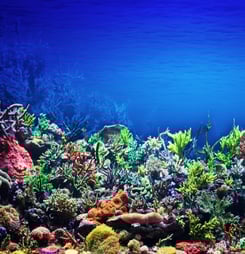
Because (most) humans do not actually live underwater, it is easy to forget the vast array and variety of aquatic animals that populate the oceans, seas, lakes, and other bodies of water on our planet!
Aquatic animals may be vertebrates or invertebrates. They may breathe air or extract oxygen through gills or the skin. And they may live in either freshwater or saltwater.
But no matter what their differences are, one thing is for sure–aquatic animals deserve to be noticed and appreciated!
World Aquatic Animal Day is centered around humans taking the time to learn about and acknowledge the importance of all of these creatures who make their homes in the water.
How to Celebrate World Aquatic Animal Day
Celebrating the animals under the sea is the idea of World Aquatic Animal Day, and there are tons of ways to do it!
Watch a Documentary about Sea Life
Getting educated about aquatic animals doesn’t have to be boring. Learning from film crews that have been deep-sea diving can be a thrilling way to see, enjoy and appreciate the myriad of animals that live in the water.
Try out these documentaries:
- The Blue Planet (2001). First airing on the BBC, this riveting series of shows gives a glimpse into life in the ocean. It was filmed in more than 200 different locations over a five year time period. And Sir David Attenborough’s voice over simply makes the ocean seem that much more compelling.
- Turtle: The Incredible Journey (2009). This film uniquely follows the life of one sea turtle beating the odds, from when she was hatched to facing the natural and unnatural threats that occur in the life of such a creature.
- Mission Blue (2014). Featuring the life and work of Dr. Sylvia Earl, a marine biologist and oceanographer, this documentary shows her life as it is dedicated to the study of the ocean, having spent thousands of hours of time in its depths.
- Life in the Blue (2016). Showcasing the extraordinary variety and range of life that exists in the expanses of the ocean, this documentary specifically targets what takes place just under the surface in a small band of 10 meter deep water. Whether looking for shelter or hunting and foraging for food, aquatic animals participate in a host of activities in this rather small space.
Host an Under the Sea Party
Get family and friends involved in raising awareness of the needs of aquatic animals by inviting them over for a party that dives deep into the theme. Make the place festive with sea-worthy decorations and play tunes from a water-themed playlist (see below).
Serve snacks and desserts that stick with the theme of honoring aquatic animals, including cupcakes adorned with gummy fish, goldfish cheese or graham crackers, cookies baked starfish shapes or a veggie tray organized in the shape of a rainbow fish.
Fruit treats are fabulous for sea-themed parties! Oranges can be easily fashioned to create the look of an octopus by partially peeling eight strips and then leaving them sticking out from the bottom. (Draw on eyes with a non-toxic marker.)
Apples can be creatively sliced to appear as crabs, while banana halves can be adorned with an eye and the stem cut to look like dolphins. And a watermelon can be creatively carved to channel the look of a sea turtle!
Raise Awareness for Aquatic Animal Day
Get others involved in the issues facing these creatures by holding events at work, school, clubs or other places where the community gathers.
Make posters, host lecturers, or create a family-friendly charity event where the money is raised to donated to underwater wildlife funds.
Don’t forget to use your voice to let government representatives know about the need to protect these creatures by writing letters to ask them for better rules, regulations, and laws.
Put Together an Aquatic Animals Playlist
Getting into the groove of music is a great way to bring sea creatures to the forefront of the mind–whether alone or at a party!
Gather some eclectic songs together in a playlist on Spotify or another music hosting venue and jam in honor of the aquatic animals.
Try some favorite songs such as these, or come up with other creative ideas:
- Too Many Fish in the Sea (1983) by The Marvelettes
- Under the Sea (1989) Soundtrack from The Little Mermaid
- Dead Sea (2012) by The Lumineers
- Sea of Love (1959) by Phil Phillips
- Across the Sea (1996) by Weezer
- Only the Ocean (2010) by Jack Johnson
- Deep Ocean Vast Sea (1989) by Peter Murphy
- Sittin’ on the Dock of the Bay (1968) by Otis Redding
World Aquatic Animal Day FAQs
World Aquatic Animal Day Timeline
Aristotle’s Systematic Study of Marine Animals
Aristotle carefully described fish, cephalopods, and other sea creatures in “History of Animals,” laying early foundations for zoology and marine biology.
Challenger Expedition Explores the Deep Sea
The HMS Challenger expedition conducted the first global, systematic survey of ocean life, collecting thousands of new aquatic species and launching modern oceanography.
The International Whaling Commission Is Established
Governments created the International Whaling Commission to regulate commercial whaling, marking an early global effort to conserve large marine mammals.
U.S. Marine Mammal Protection Act Enacted
The Marine Mammal Protection Act prohibited most killing and harassment of marine mammals in U.S. waters, recognizing their ecological and cultural importance.
Global Moratorium on Commercial Whaling Adopted
Members of the International Whaling Commission voted for a moratorium on commercial whaling, dramatically reducing legal large-scale hunts for whales worldwide.
Convention on Biological Diversity Enters into Force
The Convention on Biological Diversity committed nations to conserve marine and freshwater biodiversity, bringing aquatic ecosystems squarely into global conservation law.
UN General Assembly Addresses Deep-Sea Bottom Trawling
The United Nations called for action to protect vulnerable deep-sea ecosystems from bottom trawling, highlighting the need to safeguard little-known aquatic species.
History of World Aquatic Animal Day
Founded in 2020, World Aquatic Animal Day was created by folks over at Animal Law Clinic at the Lewis & Clark Law School (Portland, Oregon, USA) who wanted to bring attention to the importance of aquatic animals to our societies and ecosystems.
Widely used around the world, aquatic animals are often at risk due to the interactions humans have directly with the animals, or indirectly through the corruption of their habitats.
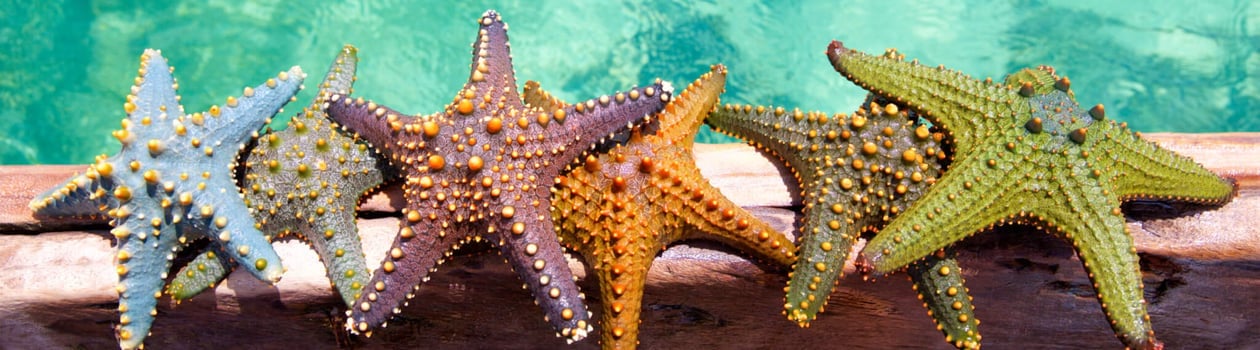
In addition to ‘fish’, the category of aquatic animals includes a variety of other creatures, such as mollusks, crustaceans, aquatic birds, starfish, corals, aquatic insects, amphibians, marine mammals, reptiles, and more.
The idea for World Aquatic Animal Day is to raise global awareness so that humans all over the world would band together to create policies, laws, education, and outreach that will help to protect these valuable animals.
The hope is to elevate the status of these creatures so that people are more likely to take an active role in learning about and acting on behalf of them. Different ideas for protecting these animals continue to be featured, from plastic pollution to climate change issues.
Many organizations throughout the world participated in the first World Aquatic Animal Day in 2020, including Canada, Chile, Australia, South Africa, Kazakhstan, Kenya, Zimbabwe, Croatia, Norway, Russia, Switzerland, the United Kingdom and more.
The hope is that many more will join in for future days in the coming years. The more people who get involved, the better!
Surprising Facts About Aquatic Animals and Their Hidden Ecosystems
Aquatic animals live in environments that are far more complex and mysterious than many people realize.
From deep-sea ecosystems that thrive without sunlight to coral reefs that support an astonishing share of marine life, the world’s waters hold remarkable scientific discoveries.
These facts highlight how aquatic species shape ecosystems, influence global cycles, and reveal just how interconnected life on Earth truly is.
Engineers First Spotted Deep-Sea “Hot Vents” Only In 1977
The existence of rich animal communities around hydrothermal vents on the deep ocean floor was unknown until scientists in the submersible Alvin discovered them near the Galápagos Rift in 1977.
These vents support dense populations of giant tubeworms, clams, crabs, and other animals that rely on chemosynthetic bacteria using chemical energy from vent fluids, proving that complex ecosystems can thrive in permanent darkness without sunlight.
Coral Reefs Cover Less Than 1% Of The Ocean But Support About 25% Of Marine Species
Tropical coral reefs occupy a tiny fraction of the seafloor, yet they provide habitat, food, and nursery grounds for roughly a quarter of all known marine species.
Their three‑dimensional limestone structures, built by tiny coral polyps and symbiotic algae, create countless niches that underpin coastal fisheries, tourism, and shoreline protection for hundreds of millions of people.
Freshwater Species Are Declining Faster Than Terrestrial Or Marine Wildlife
Global assessments show that populations of freshwater vertebrates, including fish, amphibians, and aquatic reptiles, have fallen by about 83% on average between 1970 and 2018, a steeper drop than for land or ocean species.
Dams, water extraction, pollution, and invasive species fragment rivers and wetlands, making lakes and rivers some of the most threatened ecosystems on Earth.
Many Marine Animals Orchestrate Global Nutrient “Fertilizer” Cycles
Large aquatic animals such as whales, migrating fish, and seabirds move nutrients like nitrogen and phosphorus vertically through the water column and horizontally between habitats.
By feeding at depth and defecating near the surface, or migrating between rivers and the sea, they fertilize phytoplankton and coastal plants, which boosts primary productivity and helps regulate the global carbon cycle.
Zebrafish Have Become One Of Biology’s Most Powerful Model Animals
The small tropical zebrafish, a freshwater minnow, is widely used in laboratories to study vertebrate development, genetics, and disease because its embryos are transparent and develop outside the mother.
Many of its genes have human counterparts, which allows researchers to screen drugs, investigate heart and nervous system disorders, and model conditions such as muscular dystrophy in a relatively simple aquatic animal.
Horseshoe Crab Blood Helped Standardize Safety Tests For Injected Medicines
The blue blood of horseshoe crabs contains immune cells that clot in the presence of bacterial endotoxins, a property harnessed in the Limulus amebocyte lysate (LAL) test used for decades to check vaccines, injectable drugs, and surgical implants for contamination.
While synthetic alternatives like recombinant factor C are now being adopted to reduce harvesting pressure, modern pharmaceutical safety standards were built in large part on this marine invertebrate’s unusual physiology.
Many Aquatic Animals Rely On Sound Rather Than Sight To Navigate Their World
In turbid rivers and in the dim or dark ocean, fish, whales, dolphins, and some invertebrates use sound to communicate, find prey, and orient themselves over long distances.
Low‑frequency whale songs can travel hundreds of miles through water, while fish such as cod and herring produce pops, grunts, and drumming sounds that help them coordinate spawning and schooling, making underwater soundscapes critical to aquatic animal behavior.