Water is essential to human life. In fact, it is essential to all of the forms of life known to humankind in general, as there are no known species that can survive without it.
Though marine biologists are unsure just how many kinds of creatures reside in our planet’s 5 oceans, it is estimated that about one-quarter of all of the Earth’s species do.
Not to mention how very important the oceans are to our civilization—for thousands of years, braving their waters has been one of the bravest feats a human being could accomplish, one that often led to amazing discoveries and the general increase of our knowledge of the planet we inhabit.
For all of these reasons and many, many more, Mother Ocean Day is a long-overdue celebration of our oceans in all of their majesty and peril.
How to Celebrate Mother Ocean Day
There are many things people can do on Mother Ocean Day, what’s important is to pay homage to this incredible force of nature and enjoy what it has to offer to the full!
Head to the Ocean
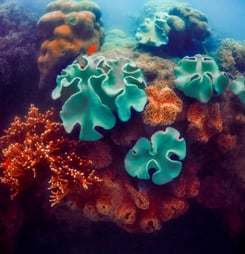
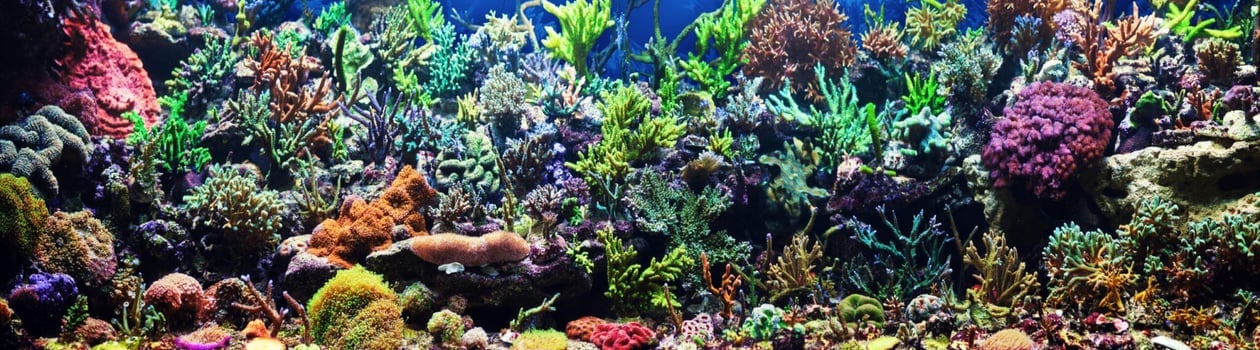
Taking to the waves, whether this be on a boat or a surfboard, is one way to enjoy the day. Snorkeling and diving are both unforgettable ways to get to know the ocean better by taking a look at some of the plants, fish and other creatures living in it.
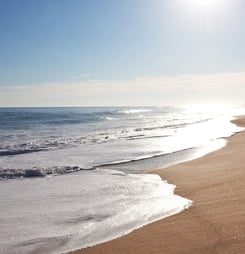
If you prefer to stay on dry land, a picnic on the beach enjoying the calm, soothing sound of the waves could be the perfect way for you to appreciate the ocean. Just remember to clean up afterwards.
Enjoy a Seafood Meal
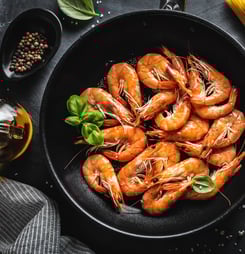
For those who wish to celebrate the day from the comfort of their own home, eating a meal made from foods of the ocean, such as fish and shellfish, could be a deliciously appropriate way to go about observing this occasion. But be sure the seafood is sustainably sourced!
For example, have you ever tried langoustines? Langoustines are an excellent alternative to lobsters, as they are much cheaper, but have a similar flavor some chefs even find superior to lobster because of its delicate sweetness.
They are also surprisingly easy to prepare—all you really need is some salty water to briefly boil them, and some garlic butter to brush over them.
If you love your barbecue, langoustines can also be barbecued and then dipped in a simple dijon mustard sauce. Originally, langoustines were eaten in Europe, but they have recently become popular in North America as well, so if you have never tried them, this day is the perfect time!
Take Care of the Ocean
However, regardless of whether it’s Mother Ocean Day or not, we should always respect the oceans and the beaches leading into them by never polluting them in any way, so future generations can enjoy them as much as we do today.
Learn Fascinating Facts About Our Oceans
The ocean is a truly fascinating place. To illustrate this, we have put together a collection of exciting and surprising facts about the ocean…
- Did you know that the majority of life on Earth is aquatic? It may come as no shock when you consider the fact that so much of the surface of the Earth is underwater. Nevertheless, it is still incredible to think that 94 percent of our living species exist within the ocean!
- We still only know a fraction of our oceans’ marine species. There are now 240,470 accepted species in accordance with the World Register of Marine Species. However, it is believed that this is just a very small portion of the species that are in existence.
- There are more historic artefacts under the ocean than in museums all around the world. There are actually around 1,000 shipwrecks just off the Florida Keys alone! There have been a number of underwater museums that have been created over the years. This includes the Christ of the Abyss, which is a submerged bronze statue in the Mediterranean.
- The longest chain of mountains is virtually entirely beneath the ocean. This is known as the Mid-Ocean Ridge. It stretches across a distance of 65,000 km. it is believed that the Mid-Ocean Ridge is less explored than the surface of Mars or Venus.
Less than five percent of the oceans on the planet has been explored. Yes, we’re getting to know our oceans more and more, yet there is still a lot that has not been discovered! And Mother Ocean Day is just the time to learn more about it.
Mother Ocean Day Timeline
Challenger Expedition Launches Modern Oceanography
The British HMS Challenger expedition conducted the first global, systematic scientific survey of the world’s oceans, laying the foundations of modern oceanography and deep-sea biology.
Truman Proclamation Spurs New Ocean Governance
U.S. President Harry S. Truman proclaims jurisdiction over the natural resources of the continental shelf, triggering a wave of similar claims and paving the way for a new legal order for the oceans.
SCUBA Popularization Opens the Underwater World
Jacques-Yves Cousteau’s films and the spread of Aqua‑Lung scuba gear made recreational diving widely accessible, transforming public appreciation of marine life and underwater landscapes.
First Global Ocean Environmental Protections Adopted
The London Convention was signed to control ocean dumping, and the Stockholm Conference elevated marine pollution as a global concern, marking a new era of international ocean protection.
UN Convention on the Law of the Sea Concluded
After years of negotiation, nations adopted the UN Convention on the Law of the Sea, defining maritime zones, navigation rights, and coastal states’ responsibilities to protect and preserve the marine environment.
Global Ocean Observing System Takes Shape
The Argo program began deploying thousands of autonomous floats that continuously measure temperature and salinity, revolutionizing the understanding of ocean circulation and climate’s dependence on the seas.
UN Declares “Regular Process” for Ocean Assessment
The United Nations launches the Regular Process for Global Reporting and Assessment of the State of the Marine Environment, creating periodic World Ocean Assessments to inform policy and conservation.
History of Mother Ocean Day
Mother Ocean Day is relatively a new celebration, as it was introduced for the first time in 2013. It is a concept thought up by the South Florida Kayak Fishing Club that has since sought the approval of the City of Miami to declare this a day official.
The point, of course, is to take a day to celebrate the beauty and wonder of the ocean, and it is no surprise that inhabitants of Florida were the ones to come forward with this idea, as Florida is famous for particularly gorgeous white sand beaches and clear, aquamarine waters.
Annual Themes
Every year, there is a different theme that is selected for Mother Ocean Day. Some of the different themes that there have been over the years include the likes of…
- Gender and Oceans
- Our Oceans, Our Future
- Healthy Oceans, Healthy Planet
- Our Oceans: greening our future
- Our Oceans, Our Responsibilities
Why Is the Ocean So Important?
The ocean is not purely there for us to swim in and enjoy. It is critical for the survival of our plant, and it has been taken for granted for too long now!
There are five oceans that make up our planet – the Antarctic or the Southern Ocean, as well as the Arctic, Indian, Pacific, and Atlantic oceans. Did you know that these five oceans cover around 70 percent of the Earth?
Moreover, did you know that the ocean is responsible for producing more than half of the world’s oxygen? If that was not enough, it also absorbs 50 times more carbon dioxide when compared with our atmosphere.
The ocean is also responsible for helping with the regulation of the Earth’s climate, with the vast coverage of the ocean able to transport heat from the equator to the South and North poles. This will regulate the weather patterns as well as the climate.
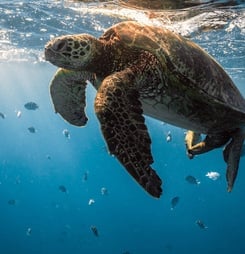
And, of course, we cannot mention the ocean without speaking about the life that calls it home! This includes everything from the sea turtles in the Pacific to the manatees in the Atlantic ocean.
Fascinating Facts About the Ocean’s Hidden Power
The ocean is far more than a vast body of water—it is a powerful force that shapes life on Earth in ways many people don’t realize.
From regulating the planet’s climate to producing oxygen and hiding unexplored landscapes beneath its surface, these facts reveal just how essential and mysterious our oceans truly are.
The Ocean Is Earth’s Largest Carbon and Heat Sink
Scientists estimate that the global ocean has absorbed about 90 percent of the excess heat from human-caused global warming since the 1970s and roughly a quarter to nearly a third of the carbon dioxide emitted by human activities each year.
By taking up so much heat and CO2, the ocean slows the pace of atmospheric warming, but this buffering comes at a cost, contributing to marine heatwaves, ocean acidification, and shifts in marine ecosystems.
Microscopic Ocean Plants Help Produce Much of Earth’s Oxygen
Tiny drifting plants in the sea, known as phytoplankton, perform photosynthesis just like land plants and collectively generate a substantial share of the planet’s oxygen.
Estimates suggest that marine photosynthesis, mainly from phytoplankton, cyanobacteria, and macroalgae, is responsible for around half of global primary production, meaning the ocean plays a central role in replenishing the breathable oxygen in the atmosphere.
Most of the Ocean Floor Is Still Poorly Mapped
Although satellites can infer large-scale seafloor features, detailed mapping of the ocean bottom with ship-based sonar has covered only a fraction of the global seafloor.
The international Seabed 2030 project reported that as of 2023, just over 24 percent of the world’s ocean floor had been mapped in high resolution, leaving the vast majority of the deep ocean still charted only in coarse detail or not at all.
The Mid-Ocean Ridge Is the Longest Mountain Chain on Earth
Running through every major ocean basin, the global Mid-Ocean Ridge is a connected underwater mountain system more than 65,000 kilometers long, far exceeding the length of any continental range.
Formed where tectonic plates pull apart and magma rises to create new crust, this submerged chain hosts hydrothermal vents, unique chemosynthetic ecosystems, and is less directly explored than many planetary surfaces in the solar system.
Oceans Shape Global Climate Through Heat Transport
Vast currents such as the Gulf Stream and the Antarctic Circumpolar Current move enormous quantities of warm and cold water around the globe, redistributing heat from the equator toward the poles.
This circulation helps moderate temperature extremes between regions, influences storm tracks and rainfall patterns, and links the state of the ocean directly to phenomena like El Niño and La Niña that affect weather far inland.
Oceans Hold the Majority of Earth’s Habitable Volume
While land takes up most of the space humans see, the deep ocean adds a vast three-dimensional habitat that dwarfs terrestrial environments by volume.
The average ocean depth is around 3,700 meters, and with trenches reaching nearly 11,000 meters, the water column and seafloor together represent the largest continuous living space on the planet, supporting organisms from sunlit surface drifters to pressure-adapted creatures in the abyss.
Personified “Mother Ocean” Figures Appear in Many Cultures
Around the world, societies have long portrayed the sea as a maternal or protective being, reflecting dependence on and respect for the ocean.
In Yoruba tradition, the goddess Yemaya is revered as a nurturing mother associated with the surface ocean and coastal waters, while in Polynesian cultures, deities like Tangaroa or Kanaloa represent the generative power of the sea, underscoring the ocean’s central place in origin stories and daily life.