

Alfred Hitchcock Day, celebrated annually, grabs the spotlight as a thrilling tribute to one of cinema’s most iconic filmmakers. Hitchcock often hailed as the “Master of Suspense,” crafted films that have captivated and chilled audiences for decades.
Have you ever felt the grip of suspense while watching a film? Alfred Hitchcock mastered this art, creating movies that draw viewers into a world of suspense and psychological intrigue. And this day is the time to celebrate such a unique perspective on the world!
How to Celebrate Alfred Hitchcock Day
Get ready to dive into the suspenseful world of Alfred Hitchcock Day. Here are some suggestions for celebrating the master of cinema!
Film Marathon Extravaganza
Why not start with a movie marathon? Gather your friends for a back-to-back screening of Hitchcock classics like “Psycho” or “Rear Window.”
Make sure your living room is as cozy as possible, with dim lighting and plenty of popcorn to keep the suspense high and the atmosphere just right.
Dress for Thrills
How about stepping into the shoes of your favorite Hitchcock character for the day? Whether you choose the chilling Norman Bates or the enigmatic Madeleine Elster, dressing up can add a fun twist to your celebrations.
Hold a costume contest to see who captures the essence of Hitchcock’s characters best.
Culinary Creations
Channel the spirit of “The Birds” or “Rope” in your kitchen by preparing a Hitchcock-themed menu. Whip up some “Birds” chicken wings or “Vertigo” spiraled pastries.
Sharing these treats during your movie marathon could be a delicious nod to the film’s iconic scenes.
A Day at the Museum
If you’re near a location hosting an Alfred Hitchcock exhibit, visit it and take a trip down memory lane. Learning about his filmmaking techniques and personal artifacts will deepen your appreciation for his work and give you insights into his creative genius.
Spot the Cameo
Hitchcock was known for his brief appearances in his own films. Make a game of spotting his cameos as you watch. This adds an interactive element to your movie viewing and pays homage to his playful side.
Alfred Hitchcock Day FAQs
Why Celebrate Alfred Hitchcock Day?
Alfred Hitchcock is a man who revolutionized the film industry with his unique approach to suspense and psychological thrillers. His innovative techniques and storytelling prowess set new standards for filmmaking and left an indelible mark on the genre.
Hitchcock’s films, like Psycho and Rear Window, are famous for their innovative use of camera angles and storytelling techniques. These techniques heighten tension and invite viewers into the psychological depths of their characters. Hitchcock’s unique ability to blend mystery, fear, and often a touch of humor keeps his work compelling and relevant in cinema history.
Alfred Hitchcock Day serves as an annual reminder of his contributions to the arts and a celebration of his lasting impact on cinema. It’s a day for film enthusiasts to revisit his masterpieces and for newcomers to discover why Hitchcock’s films have stood the test of time.
Alfred Hitchcock Day Timeline
Birth of a Future Filmmaker
Alfred Hitchcock was born on August 13 in London’s East End, a Catholic, lower-middle-class upbringing that later informs his fascination with guilt, punishment, and authority figures.
First Steps into Film
Hitchcock joins the London branch of Famous Players-Lasky as a title card designer, learning scripting, editing, and art direction during the silent film era’s full swing.
“The Lodger” Establishes the Thriller Template
1927
“The Lodger” Establishes the Thriller Template
With The Lodger: A Story of the London Fog, Hitchcock directs his first true thriller, using subjective camera work and visual motifs that become central to modern suspense cinema.
“Blackmail” and the Coming of Sound
Hitchcock’s film Blackmail was released and widely regarded as the first British sound feature, showcasing his early use of dialogue and sound to intensify psychological tension.
Move to Hollywood and “Rebecca.”
Hitchcock moves to Hollywood under contract to producer David O. Selznick; his first American film, Rebecca, wins the Academy Award for Best Picture, cementing his status in studio-era suspense.
Suspense Comes to Television
Hitchcock launches and hosts the anthology series Alfred Hitchcock Presents, bringing his brand of macabre irony and twist endings into living rooms and shaping TV crime and suspense storytelling.
“Psycho” Redefines Screen Horror
With Psycho, Hitchcock shocks audiences and censors through radical editing, implied violence, and psychological focus, transforming expectations for horror, thriller structure, and film censorship norms.
History of Alfred Hitchcock Day
Alfred Hitchcock Day is an intriguing event, as its date holds no clear link to Hitchcock’s life events. This mysterious choice aligns well with Hitchcock’s reputation as the “Master of Suspense”. The day was established not on the anniversary of his birth in August or any significant career milestone.
Speculations about the date include possibilities like it being the anniversary of his Lifetime Achievement Award from the American Film Institute or perhaps a nostalgic nod to a significant contract signing in March that brought Hitchcock to Hollywood. Despite these theories, the true origin of the date remains as enigmatic as some of his famous film endings.
Alfred Hitchcock Day is a modern homage to the filmmaker’s enduring influence on cinema. In particular, he is a master in the suspense and psychological thriller genres.
His innovative techniques and storytelling have left a lasting legacy that continues to captivate audiences and inspire new generations of filmmakers Thus, while the choice of March 12 remains a mystery, Alfred Hitchcock Day is a perfect opportunity to celebrate his work.
Alfred Hitchcock Day: The Master of Suspense
Alfred Hitchcock didn’t just make movies—he reshaped the language of cinema. Known for his visual storytelling, psychological tension, and unforgettable twists, his work introduced techniques that filmmakers still use today.
From the concept of “pure cinema” to the famous MacGuffin and his darkly ironic television style, these facts reveal how Hitchcock transformed suspense into an art form and left a lasting mark on film and storytelling.
Architect of “Pure Cinema”
Alfred Hitchcock described his ideal as “pure cinema,” where images and editing, rather than dialogue, carried the story.
He preferred to show information visually through carefully planned camera angles and cuts, such as the subjective shots and long telephoto lenses that put viewers in the voyeuristic position of James Stewart’s character in Rear Window, a technique cinematographers still study for visual storytelling.
The MacGuffin and Audience Psychology
Hitchcock popularized the concept of the “MacGuffin,” a plot device that characters obsess over but whose specific nature barely matters to the audience.
Whether it was secret government plans or stolen money, he used the MacGuffin simply to drive tension while focusing viewers’ emotional attention on character reactions, a psychological strategy now common in thrillers from James Bond films to modern blockbusters.
Reinventing Television with a Morbid Wink
With Alfred Hitchcock Presents, he brought cinematic suspense to American living rooms by placing dark, ironic crime stories in ordinary suburban or middle-class settings.
Critics note that the series’s twist endings, low-key violence, and his sardonic introductions helped normalize macabre material on prime-time network TV and shaped later anthology shows like The Twilight Zone and Black Mirror.
Storyboards as a Conductor’s Score
Hitchcock often claimed that his films were essentially “finished” before cameras rolled because he storyboarded every shot in meticulous detail.
Storyboard artists and historians describe how he treated these drawings like a musical score for an orchestra, using them to synchronize performance, camera movement, and editing rhythms, a model that heavily influenced modern pre‑visualization in film production.
Turning Limitations into Suspense Engines
Rather than see technical or narrative constraints as problems, Hitchcock often built suspense around them.
Rear Window confines nearly the entire story to a single apartment courtyard, while Rope was staged to appear as one continuous take, yet both maintain tension through blocking, camera choreography, and selective revelation, techniques now widely taught in film schools as case studies in doing more with less.
The Shock of the Psycho Shower
The shower scene in Psycho used more than 70 camera setups and rapid cuts to suggest brutal violence without ever showing a knife piercing flesh.
Film scholars and editors point to this sequence as a landmark in montage-based horror, demonstrating how rhythm, framing, and sound can create intense terror while technically staying within the censorship rules of the period.
Suspense Through Information, Not Surprise
Hitchcock frequently explained that real suspense comes from giving the audience more information than the characters have.
In interviews, he contrasted a sudden explosion (mere surprise) with a bomb placed under a table that the viewer knows about for several minutes, arguing that the ticking anticipation is what grips spectators, a storytelling principle still central to screenwriting and directing today.



You may also like

National Cinema Day
Been a while since going to see a movie on the big screen? Well, that’s about to change! Grab some friends or family and head to the movie theater to enjoy a film together.
- United Kingdom
- United States
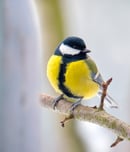
RSPB Feed the Birds Day
Inviting feathered friends with small outdoor dining spaces, fostering wildlife connections, and adding nature's charm to your surroundings.
- Australia
- Canada
- United Kingdom
- and 1 more

Reel Film Day
Reel Film Day celebrates the art of filmmaking by honoring movies shot on actual film reels, especially 35mm. Unlike digital formats, film reels create a unique, textured visual experience! How to Celebrate International Reel Film Day Reel Film Day offers the perfect chance for movie lovers to indulge in the charm of...
- Canada
- France
- United Kingdom
- and 1 more
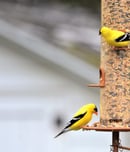
Feed the Birds Day
The winter months can be hard on birds, which is why Feed the Birds Day is a day that is dedicated to paying attention to the welfare and survival of those little backyard friends!
- United States
National days and holidays on March 12 2027

International Awareness Day for Avoidable Deaths (IAD4AD)
IAD4AD is a worldwide campaign led by the Avoidable Deaths Network. It raises awareness about disaster deaths that never should occur. The focus includes floods that overwhelm unprepared towns, heatwaves without early warnings, and road accidents on unsafe routes. It also covers missing people and indirect losses, often ignored in official...

Teen Tech Week
Libraries evolve with technology, offering digital tools and resources for research, learning, and exploration beyond books.

Solar Appreciation Day
From shrinking electricity bills to cutting air pollution, solar power has a knack for turning something ordinary, sunlight, into something genuinely useful. Solar Appreciation Day spotlights that simple magic and nudges communities, businesses, and households to learn how solar works, where it fits best, and what it can realistically do. At...
- Canada
- International
- United States
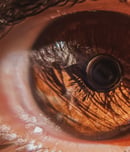
World Glaucoma Day
Imagine a world where the vibrant colors of sunset fade into darkness, not by choice, but due to an unseen thief, glaucoma. This eye disease slowly damages the optic nerve, the “cable” that carries visual information from the eye to the brain. The tricky part is that glaucoma often starts quietly...
- United States
Seize Every Day
Join free for personalised recommendations, email reminders and exclusive guides. Never miss a day.