National Plant a Flower Day
Brighten up your garden with a kaleidoscope of colors and sweet fragrances. Put your green thumb to the test and bring nature to life!
Few things on the planet are more beautiful or fascinating than flowers – and with over 400,000 flowering plant species in the world, there’s definitely something out there for everyone!
From the simple daisy to the elegant rose, from the colorful wildflowers dotting hillsides to the elaborate and vibrant blooms of southeastern Asia, flowers have more than deserved their own day of celebration for their contributions to nature, culture, and life.
How to Celebrate National Plant a Flower Day
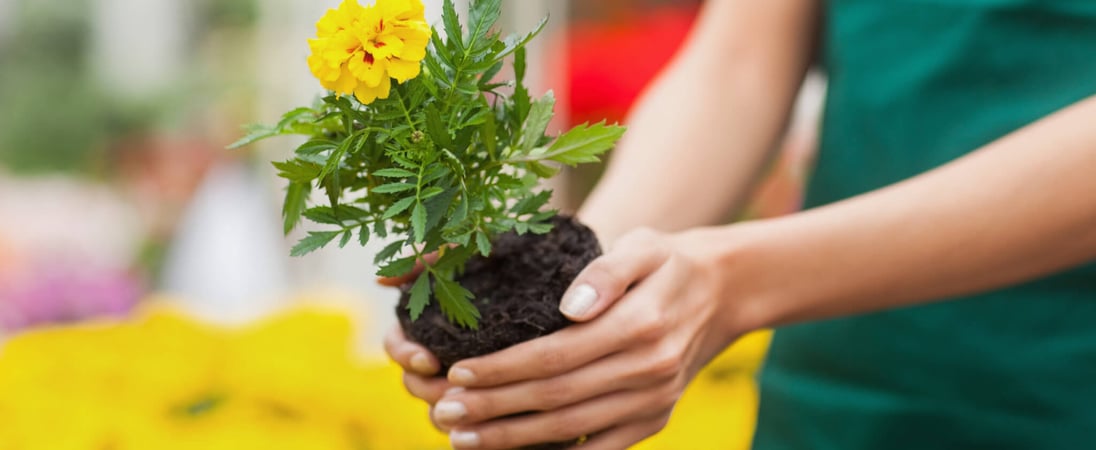
Plant Some Flowers
The best way to celebrate National Plant a Flower Day is to plant a flower, or perhaps even many flowers!
Depending on where you’re located in the world and the kind of flowers you’ve chosen, March may or may not be the best time to be planting, but that doesn’t mean you can’t get a flowerpot and do it at home, or simply enjoy the blooms of previous labor!
If it’s the right time and conditions for planting, set a little bit of time aside on this day to sow some seeds or plant some bulbs in your yard or garden.
You could even team up with your neighbors and start a community planting project such as a wildflower meadow, adding a splash of color to places that everyone in the area can enjoy.
Get the Kids Involved
If you have kids, this could also serve as the perfect time to take them outside and explain a bit about how nature works its magic, what helps plants grow, why we need them and what we can do to help protect our planet’s biodiversity.
Instilling a sense of wonder for the world in your children will help them appreciate the planet and make them more aware of their surroundings – plus, what could be more fun than spending a sunny day outside with your favorite little people and planting lupins, poppies or fuchsias?
Visit the Florist
Even if you’re unable to plant a flower, there are still plenty of ways you can celebrate the day. Head over to your local garden center or a nearby florist to pick up some flowers that have already been grown for you! They may well have special offers on to mark the occasion so be sure to check those out as well.
Enjoy a Public Garden or Park
Take a trip to a public garden and go for a stroll among the flower beds – they’ll likely have a whole range of plants on display, including those that don’t usually flourish in your country’s climate.
Deliver a beautiful bouquet to a loved one or try your hand at some flower arranging – there are plenty of YouTube channels and flower arranging courses available to help get you started!
Learn More About Flowers
And even if your part of the world is cold and dreary this time of year, you can still enjoy a day of learning about nature and all it has to offer humankind. Like flowers themselves, National Plant a Flower Day was meant to be enjoyed.
History of National Plant a Flower Day
Flowers have been around for at least 150 million years, with new and captivating species springing up all over the place during that time.
And they have long been a staple in various cultures all around the world, serving numerous purposes over the millennia including decorative and medicinal ones.
As early as 2,500 BC, the Ancient Egyptians were using flowers to adorn tables and great halls, as well as show respect to both the living and the dead, with the remains of many kinds of flowers uncovered in the tombs of pharaohs, high priests and other wealthy citizens.
Later, both the Ancient Greeks and Romans continued to use flowers for these same purposes and also began to use some of them as herbs. This tradition continues today through herbal teas, medicines and spices.
Throughout history, flowers have carried different symbolic meanings, including in various religions and mythologies.
In Hinduism, the world’s oldest religion, the lotus flower is considered an important spiritual symbol, while roses have long been seen as a display of love and affection and poppies are used to commemorate soldiers who have died in war.
Flowers have also been an integral part of our traditions and rituals. Could you imagine a wedding reception without the bouquet toss or a Christmas without poinsettias?
And what would poets and painters do without the flowers that have inspired them to create countless works of art such as Van Gogh’s sunflowers, Monet’s water lilies or Blake’s ‘Auguries of Innocence’?
These blossoming plants even have influence over the economy. In 17th century Holland during a period known as ‘tulip mania’, tulips were considered to be so valuable that they were worth more than gold and a mere ten bulbs could be used to purchase a whole house!
And to this day the world’s most expensive spice is saffron, which is made using dried crocuses.
Perhaps most valuable of all, however, is the role that flowers play in the natural world. With their bright colors and enchanting scents, they not only brighten up the world around us but also attract and sustain pollinators such as bees, butterflies and birds, enticing them with sweet nectar and having their precious pollen distributed in return.
And once they’ve reproduced, flowers bear sweet fruit that animals and humans alike can enjoy.
Flowers play a crucial role in sustaining ecosystems, producing food and enriching human life and culture. By celebrating National Plant a Flower Day you’ll be helping these bountiful blossoms to flourish.
Bonus: Top Tips for Planting Flowers
When it comes to planting flowers, you’ll need to do your research as each species will have its own needs and preferences.
Check out when and where it’s best to plant your flowers, the kind of soil they like and how often they’ll need watering. And once they’ve blossomed it will be important to tend to them, removing dead flowers and keeping them pruned.
Generally speaking, flowering plants like nutritious soil with good drainage, but wildflowers, for example, flourish best in poor quality earth.
Some seeds and bulbs will need to be kept in a cool and dark place after planting to simulate winter, which encourages flowering further down the line. Another top tip is to tuck your plants in with a good layer of mulch, as shredded bark will hold onto moisture and save you some watering trips!
If you’re a first-time gardener, then flowers such as geraniums, sunflowers, daffodils and lavender are popular choices for beginners. It’s always worth looking for perennials as these types of flower will last for at least two years. And even if you don’t have a garden, you can still buy some plant pots for indoors!
National Plant a Flower Day FAQs
How did the Victorian era influence the symbolism of flowers?
In the Victorian era, people used “floriography,” the language of flowers, to convey messages they couldn’t express openly.
Each flower had a specific meaning; for example, red roses symbolized love, while yellow roses indicated friendship.
This practice allowed for subtle communication in a time when direct expression of emotions was often discouraged.
Are there any myths or legends associated with specific flowers?
Yes, many flowers are linked to myths. For instance, the lotus flower holds significant spiritual symbolism in Hinduism, representing purity and enlightenment.
In Greek mythology, the narcissus flower is associated with the story of Narcissus, a young man who fell in love with his reflection and transformed into the flower bearing his name.
How do different cultures celebrate the beauty of flowers?
Various cultures have unique flower festivals. In Japan, “Hanami” involves picnicking under blooming cherry blossoms.
The Netherlands hosts the “Bloemencorso,” a parade featuring floats adorned with flowers. These events highlight the cultural significance and appreciation of flowers worldwide.
What are some unusual ways people celebrate National Plant a Flower Day?
Beyond traditional planting, some communities organize “seed bombs,” where participants throw balls of seeds into vacant lots to promote urban greenery.
Others host flower-themed art workshops or cooking classes using edible flowers, adding a creative twist to the celebration.
Are there any misconceptions about planting flowers?
A common misconception is that all flowers require full sunlight. In reality, many species thrive in partial shade or even full shade. Understanding the specific needs of each flower type is crucial for successful gardening.
How has the cultivation of flowers impacted economies historically?
During the 17th century in the Netherlands, “Tulip Mania” saw tulip bulbs reach extraordinarily high prices, sometimes costing more than houses. This period is often cited as one of the first recorded economic bubbles.
What are some eco-friendly practices for planting flowers?
Using native plant species supports local ecosystems and requires less maintenance.
Implementing rain gardens helps manage stormwater runoff. Composting enriches soil naturally, reducing the need for chemical fertilizers.
Are there any health benefits associated with planting flowers?
Gardening can reduce stress, improve mood, and provide moderate physical exercise. Exposure to sunlight while gardening also boosts vitamin D levels, contributing to overall health.
How do flowers contribute to environmental sustainability?
Flowers attract pollinators like bees and butterflies, essential for plant reproduction. They also improve air quality by absorbing pollutants and releasing oxygen, contributing to a healthier environment.
What are some rare or endangered flowers that gardeners can help preserve?
The Middlemist’s Red, one of the world’s rarest flowers, exists only in two locations globally. By cultivating such rare species responsibly, gardeners can aid in their conservation and prevent extinction.
Also on ...
View all holidays
Popcorn Lover’s Day
Simple, quick, affordable and delicious, popcorn lovers can unite during this amazing time, on Popcorn Lover’s Day.
National Girl Scout Day
These little entrepreneurs teach young girls essential skills such as business, leadership, and community service.

World Kidney Day
These amazing filters work tirelessly within, like nature's purifiers, maintaining a body's balance and health behind the scenes.