
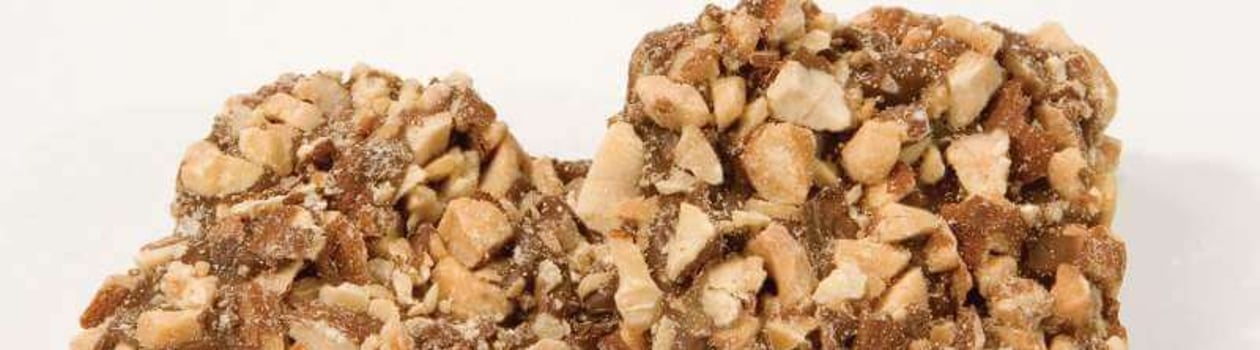
Almond buttercrunch has a way of making ordinary moments feel a little more special. It is crisp and buttery, sweet without being flat, and full of that toasty almond flavor that lingers after each bite. National Almond Buttercrunch Day spotlights this classic candy and invites people to enjoy it in whatever form they like best, whether that means a few neatly cut pieces from a box or a homemade batch broken into uneven shards.
Almond buttercrunch is often grouped with toffee because the method is similar: sugar and butter are cooked until the mixture becomes a glossy, amber candy that sets hard as it cools. That transformation depends on temperature. As the mixture heats, water cooks off, the sugar concentration rises, and the bubbling changes from loose and foamy to tighter and more vigorous. Cook it long enough and it becomes snappy and brittle, the kind of candy that breaks cleanly and makes a satisfying crackle between the teeth.
Where buttercrunch earns its name is in the balance of richness and texture. Butter brings depth and a round, almost butterscotch-like warmth. Almonds bring roasted aroma and a slight bitterness that keeps the sweetness in check. Some versions mix chopped almonds directly into the candy so every piece has nutty crunch throughout. Others use almonds as a base layer or a coating, so each bite alternates between candy snap and nut crunch.
Chocolate often completes the picture. A thin layer of chocolate adds a smooth finish, softening the edges of the sweetness and adding a creamy contrast to the brittle interior. Some buttercrunch is dipped and then rolled in crushed almonds, creating a candy that looks festive and feels intentionally made for sharing, even when it is eaten casually from the kitchen counter.
How to Celebrate National Almond Buttercrunch Day
Eating almond buttercrunch is the obvious starting point, but the day lends itself to a few easy traditions that can make the treat feel new again.
A simple tasting is one of the most enjoyable options. Buttercrunch varies more than many people expect. Some batches are pale and buttery, others are darker with a deeper caramel flavor. Pieces can be thin and shattering or thicker with a heavier snap. Chocolate can be milk, dark, or a mix, and the almond-to-candy ratio changes the whole experience. Setting out a few styles and comparing notes turns a quick snack into something closer to a shared activity.
Sharing also fits the spirit of the day. Almond buttercrunch is sturdy when kept cool and dry, and it feels gift-worthy without much effort. Broken pieces in a small jar, a tin, or a simple reusable container can become a thoughtful treat for neighbors, coworkers, or friends. It is also easy to portion, which makes it practical for small gatherings and casual drop-offs.
Those who like to bake can use buttercrunch as an ingredient rather than a standalone candy. Crushed pieces make an excellent topping for ice cream, pudding, or yogurt, where the candy adds texture and a caramel-almond hit. It can also be folded into cookie dough right before baking, which keeps the pieces distinct instead of dissolving into the batter. Sprinkling it over brownies while the surface is still warm helps it cling without turning into a sticky layer.
Buttercrunch pairs nicely with drinks, especially when used with restraint. A pinch of crushed candy on whipped cream can dress up coffee or hot chocolate. It also works as a garnish on a milkshake, pressed onto the rim of the glass or sprinkled over the top. The goal is contrast, not quantity. A small amount delivers plenty of flavor.
For people who enjoy hands-on kitchen projects, making almond buttercrunch at home can become the main event. It is a quick process once everything is measured and ready, and it benefits from teamwork. One person can watch the thermometer and color while another stirs and keeps an eye on the pan. Candy-making also tends to draw curious onlookers, which can turn the kitchen into a lively place even before the first piece is tasted.
Another low-effort idea is building a small pairing board around buttercrunch. Because it combines butter, caramel, almonds, and chocolate, it sits comfortably alongside salty snacks like pretzels or lightly salted nuts. Crisp fruits such as apple slices or pear slices can brighten the sweetness and highlight the roasted almond notes. The mix of sweet and salty helps the candy feel like part of a spread rather than a standalone sugar rush.
National Almond Buttercrunch Day Timeline
Toffee Emerges in Britain
Boiled sweets made from sugar and butter become popular in Britain, as “toffee” rises to prominence as a hard, buttery candy associated with the country’s growing sugar trade.
“Toffee” Enters the English Lexicon
The word “toffee” is recorded in the Oxford English Dictionary by 1825, reflecting the growing familiarity of this distinct sugar‑and‑butter confection in British cooking and candy shops.
English Toffee Recipes Spread
English cooks refine recipes that boil sugar and butter to a high temperature for a hard, brittle texture, helping establish the classic “English toffee” style that later inspires nut‑ and chocolate‑covered variations.
Buttercrunch Style Develops in America
Confectioners in the United States adapt English toffee into richer “buttercrunch” candies, often using granulated sugar or corn syrup and adding chocolate coatings and nuts, especially almonds.
Brown & Haley Founded in Tacoma, Washington
Harry L. Brown and J. C. Haley establish a candy company in Tacoma that will become known for its chocolate‑covered buttercrunch toffee with almonds, later branded as Almond Roca.
Creation of Almond Roca Buttercrunch
Tacoma confectioner Harry Brown develops a buttercrunch toffee coated in milk chocolate and encrusted with chopped almonds, introduced by Brown & Haley in 1923 under the name Almond Roca.
Buttercrunch Toffees Travel the World
Packaged buttercrunch and toffee candies, including Almond Roca in its durable tins, are shipped overseas in military care packages, cementing almond‑studded buttercrunch as a nostalgic treat for many servicemembers.
History of National Almond Buttercrunch Day
Almond buttercrunch itself is rooted in older confectionery traditions. Long before it had a modern name, cooks and candy makers learned that heating sugar changes its structure and flavor. Add butter, manage the temperature carefully, and the result becomes something entirely different from its simple ingredients. That basic technique underpins many brittle and toffee-like candies around the world, and almond buttercrunch is one of the best-known expressions of it.
What sets almond buttercrunch apart is the way it leans into contrast. Butter enriches the candy and adds a mellow flavor that reads as comforting and familiar. Almonds add texture and an aromatic, roasted quality that keeps the sweetness balanced. As candy-making became more widespread in home kitchens and small shops, variations naturally emerged. Some makers preferred more almonds for a sturdier bite. Others pushed the sugar a little darker for deeper caramel notes. Many added chocolate, partly for flavor and partly because it creates a smoother finish that makes brittle candy feel more complete.
Commercial candy-making helped standardize the style and make it widely recognizable. Almond buttercrunch is often associated with boxed or tinned candies that look polished and travel well. Tins and sturdy packaging protect brittle candy from moisture and crushing, preserving that clean snap people expect. They also turned buttercrunch into an easy gift item, something that could be picked up for a host, brought to a gathering, or shared across a wider circle without special handling.
At the same time, almond buttercrunch kept its place in home kitchens. It is the kind of candy that often lives through personal recipes and seasonal habits: toast the almonds, prepare the pan, cook the sugar and butter until the color looks right, and try not to sample too much while it cools. Even when the ingredients are inexpensive, the process feels a little ceremonial. Small details, like how finely the almonds are chopped or how thick the candy is poured, become part of a family’s preferred “right way.”
National Almond Buttercrunch Day builds on that mix of everyday practicality and special-occasion charm. The precise origins of the observance are not well documented, which is common for many food-focused holidays. What is clear is the appeal: it gives candy lovers and curious home cooks a reason to pay attention to a confection that has stayed popular because it delivers on its promise. It is buttery, crisp, and deeply toasted, with almonds and often chocolate creating a combination that feels both nostalgic and instantly satisfying.
More than anything, the day celebrates a particular kind of treat: one that depends on simple ingredients, careful timing, and a love of texture. Almond buttercrunch does not need complicated flavors to stand out. Its history, both commercial and homemade, is a reminder that the most memorable sweets are often the ones that get the basics exactly right.
National Almond Buttercrunch Day Facts
Buttercrunch as an American Take on “English” Toffee
Specialty confectionery writers point out that what many Americans buy as “English toffee” is technically buttercrunch: a slab of hard toffee coated in chocolate and rolled in chopped, usually toasted, almonds.
Industry sources describe buttercrunch, often called almond buttercrunch, as an American invention that evolved from plainer British-style toffee by adding this chocolate-and-almond jacket.
How Sugar Chemistry Creates Buttercrunch’s Snap
Almond buttercrunch gets its signature clean snap from cooking a sugar–butter mixture to the hard-crack stage, typically around 295–305 °F (about 146–152 °C).
At this point most water has boiled off, and the mixture cools into a hard, glassy, non-crystalline “sugar glass,” with butter fat and almond pieces trapped inside, which is why it breaks rather than bends.
Why Corn Syrup Often Appears in Buttercrunch Recipes
Many professional-style buttercrunch formulas add a small amount of corn syrup or glucose syrup to the sugar and butter, not for sweetness but for texture.
These “interfering” sugars disrupt sucrose crystallization, helping the candy set into a smooth, glassy sheet instead of turning grainy, and they improve stability during storage.
Almonds’ Role Beyond Flavor in Buttercrunch
Toasted almonds in buttercrunch do more than add a nutty flavor; they change the way the candy breaks and feels in the mouth.
Almond pieces interrupt the rigid sugar matrix, making the slab a
bit easier to bite, while their oils add richness and a slightly softer crunch compared with a plain, nut-free brittle or toffee.How Humidity Slowly Ruins Buttercrunch
Buttercrunch starts out crisp, but confectioners warn that its sugar base is highly hygroscopic and gradually pulls moisture from the air.
Over days or weeks, especially if stored without an airtight barrier, the once-brittle slab becomes softer and stickier to chew, which is why serious candy makers stress cool, dry, sealed storage for toffees and brittles.
Almond Roca and Wartime Popularity of Almond Toffees
One of the most famous almond buttercrunch-style candies, Almond Roca from Brown & Haley in Tacoma, Washington, gained global visibility during the 20th century when tins were shipped to U.S. military canteens overseas.
Company histories note that distribution to American troops in World War II, and later in the Korean and Vietnam wars, helped introduce chocolate-coated almond toffees to consumers around the world.
How Buttercrunch Differs from Brittle
Artisan candy makers draw a technical line between buttercrunch and nut brittle, even though both are crunchy, nut-studded sweets.
Brittle is usually made from sugar and sometimes corn syrup cooked very hot with little or no added fat, while buttercrunch contains a significant amount of butter, giving it a richer flavor, a slightly more tender bite, and a characteristic chocolate-and-nut coating rather than nuts simply suspended in the sugar sheet.
National Almond Buttercrunch Day FAQs
Bonus: Almond Buttercrunch Recipe
If you’re feeling truly adventurous, you can even use the below recipe and make it yourself!
You’ll be needing:
- 4 ounces (1 full stick) butter (not margarine!)
- 3/4c firmly packed brown sugar
- 1 teaspoon light corn syrup
- 1/4 teaspoon salt
- 1.5 cups chopped and toasted whole almonds
- 8 oz semi-sweet chocolate chips
The recipe is about as simple and straight forward as it gets. You’ll want to prepare ahead of time by spraying coating non-stick foil with butter or a non-stick cooking spray, and lining an 8×4 breadpan.
Then, using a small sauce pan, melt the butter, corn syrup, salt, and brown sugar together, stirring slowly on medium-high heat until the brown sugar has dissolved.
Start a timer once the brown sugar is melted, and cook it for approximately 6 minutes, a candy thermometer can help this, and should reach 143c or 290f before you remove it from the heat.
Stir in the almonds, and pour/scrape it into the bread pan in a layer approximately ½ in thick, allowing it to cool for 3 minutes after doing so. Proceed to pour the melted chocolate over the top and sprinkle with more nuts, and then cut into bars of your preferred size.
After this, put them into the fridge to let the chocolate set, and then put them in an airtight container. They should be able to store for about two weeks in the fridge. These are best served at room temperature however.
This is just one of a variety of delicious recipes you can make with almond buttercrunch, there are even chewy varieties if you prefer a softer snack! So take the plunge, stir up this recipe, and deliver it to your favorite people to celebrate National Almond Buttercrunch Day!


You may also like
National Buttercrunch Day
That irresistible toffee-nut sweetness, a delightful crunch, and a hint of chocolate - it's like a symphony for the taste buds.
- Canada
- United States

National English Toffee Day
Crispy and delightfully sweet, English toffee offers a satisfying flavor and texture that just about anyone with a bit of a sweet tooth will enjoy!
- United States
National Peanut Brittle Day
A crunchy, delicious treat that's perfect for satisfying a sweet tooth. With its caramelized taste and nutty texture, it's hard to resist!
- United States
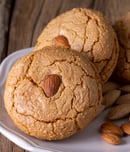
National Chinese Almond Cookie Day
Have you ever tried a Chinese almond cookie? This crisp, golden treat is the kind of bite-sized comfort that feels both simple and special at the same time. It snaps lightly, then melts away, leaving a gentle almond fragrance behind. Often shaped into a neat round, it’s sometimes compared to...
- China
- United States
National days and holidays on June 29

International Mud Day
Participate in a Mud Run, join or watch some Mud Wrestling, or just get out in the dirt with friends or family and let loose by getting messy and having fun.
- Australia
- United Kingdom
- United States
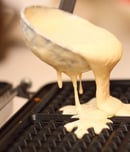
National Waffle Iron Day
Splurge on a fun waffle iron like a Mickey Mouse shaped one, or dig out that iron from the back of your cabinet and enjoy one of the greatest breakfast treats.
- Belgium
- Canada
- United Kingdom
- and 1 more

World Industrial Design Day
Attend an industrial design expo, sign up for a class, and learn about the many exciting career opportunities for these innovative visionaries.
- Canada
- United States

Hug Holiday
Looking for an excuse to get or give a hug? Well, look no further than Hug Holiday! This day is an invitation to recognize how meaningful a simple hug can be when it is welcome, respectful, and shared with care. It is an opportunity to show affection to family members, friends...
- Canada
- United Kingdom
- United States
Seize Every Day
Join free for personalised recommendations, email reminders and exclusive guides. Never miss a day.