Enjoy this delightful and delicious treat in a myriad of ways in celebration of Bavarian Crepes Day. A unique take on a familiar favorite, Bavarian crepes sit within the broad family of thin pancakes enjoyed across Central and Eastern Europe, where they are often known as palatschinken.
However they are folded, rolled, or stacked, Bavarian crepes bring the same simple magic: a delicate, tender pancake that turns a few pantry basics into something that feels instantly special.
History of Bavarian Crepes Day
Crepes, in one form or another, have been around for centuries. Long before anyone debated the “right” thickness or the best pan, cooks were mixing flour with liquid and eggs, then cooking the batter quickly on hot surfaces to make thin, flexible cakes. Over time, different regions refined the idea into their own everyday versions, shaped by what was affordable, what was available, and what people liked to eat at home.
The Bavarian angle is where things get especially interesting. In Bavaria and across neighboring cuisines, a crepe-like thin pancake is often called palatschinken (with many spellings depending on language and region). The variety of names is a clue to how widely this style traveled: it moved across borders and generations as a practical, comforting dish that could be made sweet or savory.
While French crêpes may be the best known internationally, palatschinken-style pancakes have their own personality. They tend to feel a touch more home-style, and they are commonly paired with generous fillings. In many households they are less about strict technique and more about a reliable method that works on an ordinary stovetop with ordinary ingredients.
Bavarian crepes are typically made from flour, eggs, milk, a bit of fat such as oil or butter, plus a pinch of salt. The batter is poured into a hot pan, swirled thinly, cooked until set, and flipped briefly. The goal is a soft, bendable crepe that can wrap around fillings without tearing.
They are similar to French crepes, but a few kitchen habits can set the Bavarian style apart. One commonly noted distinction is timing. Many classic crepe methods call for resting the batter so the flour can hydrate and bubbles can settle, producing a more uniform pancake.
Bavarian crepes are often cooked soon after mixing, which makes them wonderfully practical. A craving can be answered without a long wait, and the result can be slightly more tender and substantial, which helps when the filling is hearty.
Some traditional recipes also include a small splash of spirits in the batter. This is not about making the dish alcoholic. It is used the way many cooks use vanilla, citrus zest, or warm spices: as a small aromatic lift that can also help the batter feel smoother. The heat of the pan cooks off any alcohol quickly, leaving behind fragrance rather than potency.
Another point of variation is flour choice. Savory versions are often made with buckwheat flour, which brings an earthy, nutty flavor that pairs well with mushrooms, onions, cheese, eggs, and herbs. Sweet versions more commonly use wheat flour for a lighter, neutral base that lets fruit, jam, chocolate, or custard take center stage.
Fillings are part of the identity, too. Many people associate “Bavarian” crepes with Bavarian cream, a vanilla-forward custard lightened with whipped cream and often set with gelatin so it holds its shape. That cream is not required for the crepe to be “Bavarian,” but it is a classic pairing that helps explain why these crepes show up so often as a dessert-style treat.
As a modern food observance, Bavarian Crepes Day is a simple invitation: make them, order them, or share them. It encourages people to explore a regional name and style they may not have tried before and to enjoy the small satisfaction of pouring batter, swirling a pan, and turning something humble into something celebratory.
Bavarian Crepes Day Timeline
Ancient Greek Plakous Described
Greek writers describe “plakous,” a layered flatbread or cake sweetened with cheese and honey, which culinary historians see as an ancestor of later crepe‑like pancakes.
Roman Placenta Recipe Recorded
Cato the Elder’s agricultural treatise “De agri cultura” includes a detailed recipe for “placenta,” a layered flat cake whose Latin name later evolves into words for thin pancakes in Central Europe.
Latin Placenta Becomes Central European Pancakes
Through linguistic change from Latin “placenta,” Central European languages such as Hungarian develop words like “palacsinta,” which come to mean thin, pan‑fried pancakes.
French Crêpes Developed in Brittany
In northwestern France, very thin pancakes made from cereal batter became established in Brittany, and over time, the crêpe style spread across France and influenced other European pancake traditions.
Palatschinken Spread Through Austro‑Hungarian Lands
Within the Austro‑Hungarian Empire, palatschinken became a popular dessert and light meal across Central and Eastern Europe, setting the pattern for thin, rollable pancakes later associated with Bavarian and neighboring cuisines.
Sweet Jam‑Filled Palatschinken Become a Festive Dessert
Across Central Europe, cooks increasingly serve palatschinken rolled around fruit jams, sweet curd cheeses, or nut fillings, and the dish becomes common at family celebrations and in casual restaurants specializing in pancakes.
Buckwheat and Wheat Variants Standardized
Central European recipes distinguish savory palatschinken made with buckwheat flour from sweet versions made with wheat flour, mirroring the modern distinction between main‑course and dessert crepe dishes in the region.
How to Celebrate Bavarian Crepes Day
Have plenty of fun celebrating Bavarian Crepes Day with these simple, delicious, and creative ideas that bring warmth, flavor, and a little café-style charm to the day.
Enjoy Eating Bavarian Crepes
Celebrating can be as easy as enjoying a crepe that reflects a Bavarian spirit: thin, delicate, and perfect for generous fillings. Many cafés, bakeries, and restaurants serve crepes as a dessert, breakfast option, or sweet snack, sometimes topped with fruit and cream, sometimes filled and neatly rolled or folded.
If you are ordering out, it helps to recognize related names on the menu. “Crepes” is the most common, but Central and Eastern European places may list “palatschinken” or a similar spelling. Some menus simply describe them as thin pancakes served with jam, fruit compote, sweet cheese, or vanilla cream. The name may vary, but the experience remains the same.
The secret to a great crepe is balance. A few simple elements can help create a combination that feels complete:
- A base flavor (plain, vanilla, or buckwheat)
- A creamy element (whipped cream, custard, yogurt, or soft cheese)
- Something bright (berries, citrus, cherries, or jam)
- A finishing touch (powdered sugar, chocolate, or toasted nuts)
Savory crepes follow the same idea. Pair something creamy (cheese or a yogurt sauce) with something hearty (mushrooms, potatoes, spinach) and something sharp (fresh herbs, mustard, or pickled vegetables). The crepe itself acts as a light wrapper that lets the fillings shine.
If you are celebrating with others, a platter approach works beautifully. Serve a stack of warm crepes alongside bowls of fillings so everyone can build their own combinations.
Learn How to Make Bavarian Crepes
Making Bavarian-style crepes at home is a simple kitchen project that becomes easier and more satisfying with practice. The batter is straightforward, cooking takes only minutes, and each crepe helps you find a better rhythm.
A crepe pan is helpful but not essential. A small or medium nonstick skillet with low sides works well. A well-seasoned cast-iron or carbon steel pan can also produce excellent results once the heat is properly controlled.
A basic batter includes eggs, flour, milk (or a mix of milk and water), a pinch of salt, and a little oil or melted butter. Sweet versions may include sugar, vanilla, or citrus zest. Savory batters usually skip sugar and may include pepper or chopped herbs. For a more rustic, earthy flavor, replace part or all of the flour with buckwheat.
Small technique habits make a big difference:
- Mix only until smooth to keep crepes tender.
- If lumps appear, strain the batter or blend briefly.
- Letting the batter rest while the pan heats can improve texture.
- Use the same measuring amount each time for even cooking.
To cook, lightly oil the pan and heat it until the batter sizzles gently when poured. Add a small amount of batter and swirl quickly to create a thin layer. Cook until the surface looks set and the edges lift slightly, then flip and cook briefly on the other side.
As you work, stack finished crepes under a clean kitchen towel to keep them warm and flexible. This helps prevent the early ones from drying out.
For a group celebration, set up a crepe bar. One person cooks while everyone else assembles their own sweet or savory creations. It turns the process into a shared experience that is relaxed and fun.
Get Creative with Bavarian Crepes
Bavarian Crepes Day is the perfect time to experiment with fillings and toppings. Because the crepe itself is mild and versatile, it works best with contrasting textures and flavors: creamy and tart, rich and fresh, soft and crunchy.
Bavarian cream is a natural starting point for dessert. This light mixture of vanilla custard and whipped cream pairs beautifully with fruit and gives the crepe a bakery-style finish.
Other classic sweet options include powdered sugar, fruit preserves, chocolate, or warm fruit compote. For a lighter twist, try sweetened yogurt or soft cheese with a drizzle of honey for a cheesecake-like effect.
Sweet combinations to try:
- Lemon and blueberries with powdered sugar
- Hazelnut spread with strawberries and toasted nuts
- Cinnamon sautéed apples
- Bananas with cocoa and chocolate or caramel drizzle
- Cherry compote with vanilla cream
- Orange zest with a thin layer of jam
Savory versions are just as satisfying, especially with buckwheat crepes:
- Mushrooms and onions with melted cheese
- Spinach and garlic with a creamy cheese filling
- Soft scrambled eggs with herbs
- Roasted vegetables with mustard or yogurt sauce
- Potato and leek with sour cream or plain yogurt
To keep the flavors Bavarian-inspired, include familiar ingredients such as chives, parsley, mustard, caraway, apples, berries, and rich dairy. Even simple combinations feel special when they balance smooth fillings with something bright or crunchy.
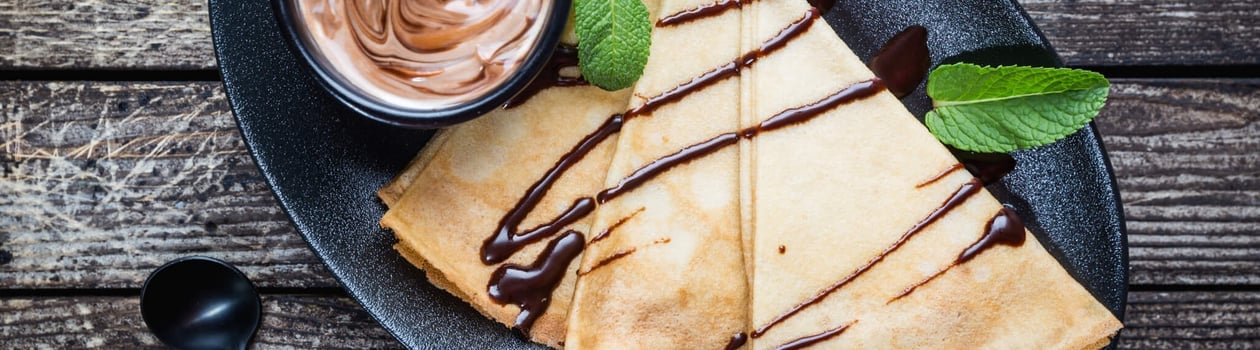
Presentation adds to the experience. Crepes can be rolled, folded into triangles, or layered and sliced like a cake. Serve them plated with a drizzle of sauce and fresh fruit, or family-style with toppings on the side. However they are presented, the joy comes from a thin swirl of batter and a warm filling that invites everyone to slow down and enjoy the moment together.
Bavarian Crepes: A Delicious Tradition with Deep European Roots
Bavarian crepes are more than a simple sweet treat. Their story stretches across languages, regions, and centuries, reflecting shared Central European traditions, changing ingredients, and surprising culinary influences. These fascinating facts reveal how a humble, thin pancake became a cultural favorite with a rich and evolving history.
Ancient Roots of the Word “Palatschinke”
The Central European word “palatschinke” for thin pancakes is linked by linguists to the Latin word “placenta,” meaning a flat cake, which itself comes from the ancient Greek “plakous” for flatbread, showing how a simple pancake term traveled through several classical languages into modern Bavarian and Austrian cooking.
Central Europe’s Shared Thin-Pancake Tradition
Variations of palatschinke-style crepes are a shared culinary thread across former Austro‑Hungarian regions, appearing as palatschinken in Austria, palacinka in the Czech Republic and Slovakia, and palacsinta in Hungary, with each country favoring distinct fillings such as apricot jam, sweet farmer’s cheese, or ground walnuts.
From Buckwheat to Wheat: A Batter Shift
Historically, thin pancakes in Europe were often made with buckwheat, which grows well in poorer soils and was common in rural regions, but as wheat became more affordable in the 19th and 20th centuries, many sweet crepe and palatschinke recipes shifted toward refined wheat flour for a softer, more delicate texture.
Bavarian Cream Is Likely French in Origin
Despite its name, Bavarian cream is widely considered by food historians to be a French creation, generally attributed to chefs working for the Bavarian Wittelsbach court or to the famed French chef Marie‑Antoine Carême, and early written recipes appear in French cookbooks rather than German sources.
Crêpes and Candlemas in Catholic Europe
In Catholic regions of Europe, February 2 (Candlemas) became associated with crepes and similar thin pancakes, and by the Middle Ages, French pilgrims visiting Rome were reportedly served thin cakes by Pope Gelasius I, a tradition that helped solidify the link between these simple flour‑and‑egg cakes and religious or seasonal celebrations.
Thin Pancakes as the Everyday Food of Peasants
In Central and Western Europe, ultra‑thin pancakes evolved as a practical peasant food, stretching small amounts of flour, eggs, and milk into filling meals that could be rolled around leftover stewed fruit, cottage cheese, or meats, which made dishes like palatschinke both economical and adaptable in rural households.
From Hearthstones to Specialty Pans
Early European crepes and palatschinken were cooked on flat stones or heavy iron plates set over a fire, but by the 19th century, specialized shallow, wide pans and cast‑iron “crepe makers” allowed cooks to spread batter much thinner and more evenly, giving rise to the characteristic lacy edges and uniform disks associated with modern crepes and their Bavarian cousins.