International Beaver Day
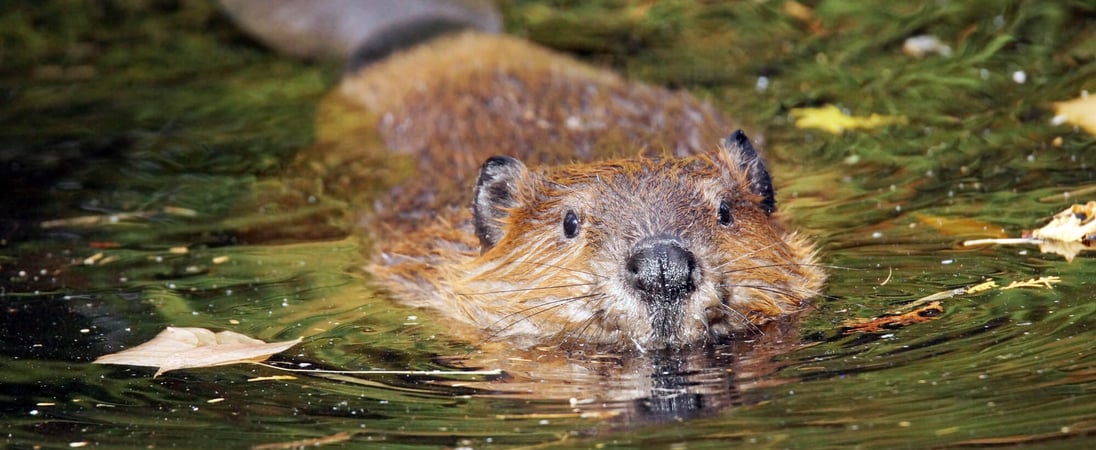
Beavers are very important for the environment, creating natural dams and helping cleanse water. Help raise awareness about the threats facing this declining species.
The beaver may be the national animal of Canada but the furry dam-building rodent can be found across the North American continent and Eurasia as two distinct species, but the population has been on the decline for several decades now.
International Beaver Day aims to celebrate and raise awareness of the plight of the rodent. So now is the time to get ready and enjoy the observance of this fun day!
How to Celebrate International Beaver Day
International Beaver Day can be enjoyed in all sorts of creative and interesting ways that help to raise awareness and promote the plight of these clever and important creatures. Try out some of the following ideas to celebrate or invent some unique ideas of your own:
Take a Hike and Go Dam-Spotting
International Beaver Day is a great time to hike into the woods to spot some of these noble gnawers, depending on the location, of course. Take the kids and get into nature as observers to foster the love of beavers. But it’s important to remember that, while an adventure can be a great way to learn, it’s also necessary to minimize the human impact and leave nature as it was found.
Get a BWW Membership
For those diehard fans of beavers, this is the best time of the year to subscribe to the Beavers: Wetlands &Wildlife organization to show support. Memberships are available on many levels, for students, individuals, families, supporters, patrons, or even a lifetime membership option.
Get Educated About Beavers
Read books, watch videos or documentaries, do some internet research and learn as much as possible about these little flat-tailed creatures and their vital part in nature. For teachers in schools or people with kids in their families who would enjoy learning more about beavers, try out some of these kids books in celebration of International Beaver Day:
- Beavers For Kids by Patricia Corrigan (1996). This book gives information through photos, cartoons and more through the eyes of an 11-year-old child.
- Little Beaver and the Echo by Amy MacDonald (1995). A delightful story about a lonely beaver who makes some friends.
- Beavers by Deborah Hodge (1998). All sorts of information about how beavers build their dams, raise their young and much more.
- Jack: The Story of a Beaver by Shirley E. Woods (2003). Targeted toward grades 3-6, this book offers a narrative about one beaver, the dangers around him and his life in the colony.
Share International Beaver Day with Others
Let the world know about the support of beavers by participating in the day and sporting some swag at work, at school or somewhere else. One great place to get beaver supporting apparel is through the Beavers: Wetlands & Wildlife organization website where shirts and hats can be purchased. Then, when friends ask about the shirt, take the opportunity to tell them about International Beaver Day.
International Beaver Day FAQs
What is International Beaver Day?
This day is celebrated to raise awareness and appreciation for the life of the beaver and its ecological importance to the wetlands.
Why is International Beaver Day important?
This day is not only important to recognize the beaver as an animal, but also to realize its value as a solver of environmental problems through the building of dams.
When is International Beaver Day?
International Beaver Day is celebrated on April 7 of each year.
How to celebrate International Beaver Day?
Celebrate this special day by learning more about the beaver and raising awareness with others.
Is the beaver Canada’s national animal?
Yes! The beaver was given official recognition as a national symbol for Canada in 1975.[1]
History of International Beaver Day
Beavers are known for their tree-munching activities, but many people may not know that they use every bit of the tree that they fell! That’s right, they are super efficient with their use of the environment. They eat the buds, bark and leaves, before gnawing the branches and trunk into smaller pieces to build with.
The dams that are built by beavers are useful in preventing floods and droughts, restoring the northern wetlands and even helping to cleanse the water. The largest beaver-built dam is in Wood Buffalo National Park, Alberta, Canada and is 850m long!
International Beaver Day is a fairly modern celebration, getting its start in 2009 when the group Beavers: Wetlands & Wildlife decided a day would be useful for raising public awareness about the beaver. As a shy species, many people aren’t aware of its importance and benefit to the overall health of the environment and ecosystems where it lives. Some people even refer to beavers as “flat-tailed heroes”!
Remarkable Facts About Beavers
Beavers may look like quiet forest animals, but their impact on nature is enormous. These hardworking mammals shape landscapes, influence water systems, and even help ecosystems recover from environmental damage. The following facts show how beavers play a powerful role in maintaining healthy environments around the world.
-
Engineers That Raise Water Tables
By slowing streamflow and spreading water across floodplains, beaver dams can raise local water tables by several feet, which keeps soils wetter through dry seasons and can turn intermittent creeks into year‑round flows that benefit plants, amphibians, and groundwater recharge.
-
Beaver Wetlands Can Buffer Wildfire Damage
Studies in the western United States have found that stream corridors with active beaver complexes tend to burn less severely during wildfires, because beaver ponds and saturated soils create green, humid refuges that resist high-intensity fire and provide shelter for wildlife.
-
From Near-Extinction to a European Comeback
The Eurasian beaver was reduced to an estimated 1,200 individuals in the early 1900s due to centuries of hunting for fur, meat, and castoreum, but coordinated legal protection and reintroduction programs have helped restore the species to more than 1.2 million individuals across Europe.
-
North America’s Landscape Once Buzzed With Beavers
Ecologists estimate that before the fur trade, North America supported 60 to 400 million beavers, whose dams created vast mosaics of ponds and marshes; today, populations are thought to be only a fraction of that, and many modern river valleys still bear geomorphic traces of long-abandoned beaver wetlands.
-
Dams That Quietly Clean the Water
By trapping sediment and slowing currents, beaver ponds often reduce downstream levels of nitrogen, phosphorus, and suspended solids, which can improve water clarity and help buffer rivers from nutrient pollution that fuels algal blooms.
-
Family Lodges With Roommates and Rules
A typical beaver lodge houses a mated pair, yearlings, and the current year’s kits, and this multigenerational family can include up to 10 or more animals that cooperate on dam maintenance, food gathering, and kit care while using a network of underwater entrances to stay safe from predators.
-
Indigenous Nations Long Valued Beaver Stewardship
In many Indigenous North American traditions, beavers are recognized as skilled water caretakers; for example, some Cree and Anishinaabe teachings describe beavers as relatives whose pond-building shapes traplines and travel routes, and whose furs and castoreum historically underpinned extensive trade networks long before European arrival.
International Beaver Day Timeline
Late 1600s
Beavers become virtually extinct in Europe
Because of their love of beaver pelts, Europeans almost obliterate the beaver population and have to outsource them from North America.[2]
1860s
Beaver hats go out of fashion
As the popularity of silk hats grows, beaver hats go out of fashion and the fur trade is in severe decline.[3]
1975
Beaver becomes Canada’s national symbol
Meant to symbolize the sovereignty of Canada, the beaver is given official status as a symbol for the country.[4]
2009
International Beaver Day is created
Started by the Beavers, Wetlands & Wildlife organization to raise awareness of the threat caused by habitat loss.
Also on ...
View all holidays
National No Housework Day
Give yourself a break. Eat off paper plates, order in, and ignore that vacuum. Do whatever you want on National No Housework Day—just so long as it’s not chores.

World Health Day
Listen to the World Health Organization and begin taking steps to improve your health: join a gym, start taking vitamins, or get outside on World Health Day.

SAAM Day of Action
Spreading awareness on eliminating harm, fostering safety, and empowering communities to end the silence against sexual violence.

Girl, Me Too Day
Fostering unity, women empower, uplift, and champion one another, creating a powerful network of solidarity.
We think you may also like...
International Sloth Day
Visit a wildlife preserve or donate to organizations that support and care for sloths. Or, just stay at home in your pajamas and channel the spirit of the sloth.
Big Butterfly Count
Monitoring environmental vitality by tallying butterflies, a simple yet profound method revealing the delicate balance within ecosystems.
World Tuna Day
Sleek, powerful ocean dwellers, tuna command a watery realm, embodying the epitome of aquatic prowess and grace.