
Blue Umbrella Day marks a global effort to focus attention on safeguarding boys and young men from sexual violence.
This awareness moment brings together people who care and fosters open conversation.
It highlights that boys also face abuse and deserve strong support. It invites listeners everywhere to join a movement that values care and safety for all children.
This day matters because it calls for better care and services tailored to boys affected by harm. Communities, groups, and governments join forces under that symbolic blue umbrella.
They challenge harmful norms and open doors to respectful help. The shared story creates connection and motivates action across many settings.
In lively collaboration, individuals and organisations bring real change in attitudes and support systems.
Blue Umbrella Day Timeline
UN Convention on the Rights of the Child
The United Nations General Assembly adopts the Convention on the Rights of the Child, defining sexual abuse and exploitation of all children, including boys, as a violation of their fundamental rights.
World Health Organization Recognizes Child Sexual Abuse as a Global Health Issue
The World Health Organization issues guidelines and statements that identify child sexual abuse, affecting both girls and boys, as a major public health and social problem needing prevention and care.
UN Study Highlights Sexual Exploitation of Boys
A report to the UN Commission on Human Rights on the sale of children, child prostitution, and child pornography documents that boys are also heavily affected, challenging assumptions that sexual exploitation mainly targets girls.
WHO World Report on Violence and Health
The World Report on Violence and Health includes a dedicated chapter on child abuse and neglect, explicitly noting that boys as well as girls suffer sexual violence and that cases involving boys are often underreported.
UN Secretary‑General’s Study on Violence Against Children
The landmark global study presented to the UN General Assembly documents sexual violence against children in homes, schools, institutions, and communities, stressing that boys frequently face abuse but are less likely to receive support.
Council of Europe Lanzarote Convention Enters into Force
The Council of Europe Convention on the Protection of Children against Sexual Exploitation and Sexual Abuse comes into force, requiring states to protect all children, including boys, and to provide child‑friendly reporting and support services.
UNICEF Hidden in Plain Sight Report
UNICEF publishes “Hidden in Plain Sight,” presenting global data showing that large numbers of boys experience sexual violence, and emphasizing that stigma and gender norms keep many from disclosing or receiving help.
How to Celebrate Blue Umbrella Day
Here are simple, meaningful ways to take part in Blue Umbrella Day. Each idea helps build awareness and encourages safer spaces for boys.
Wear Blue Creatively
Dress in bold blue and share the reason behind it. Use a scarf, hat, shirt, or pin. Friends may ask questions.
Use that chance to start conversations. Add a blue umbrella image to your social media. That little change can reach hundreds.
Start Honest Talks
Create a space where boys feel safe to share. Let them speak freely. Ask how they feel and listen well. Invite trusted adults to join group chats or video calls.
Use stories or drawings to spark honest moments.
Support Child-Safe Groups
Look for local projects that protect children from abuse. Volunteer your time or share their work online. Even small donations can help fund programs that support healing.
Tell others why you chose to give.
Learn and Teach
Read up on child protection from trusted sources. Watch short clips from experts or survivors. Host a quiz night with your neighbors. Bring young people into the conversation gently.
Make learning part of play or shared time.
Create a Visual
Paint, draw, or make a collage about care and respect. Use bright colors and include the umbrella theme. Post your art in windows or community boards.
You could even build a mini display outside your home. Let the message travel.
History of Blue Umbrella Day
Blue Umbrella Day started in April 2021 as part of a caring campaign led by Family for Every Child. That group supports children around the world.
They worked with other local groups to spark global attention to boy survivors of sexual violence. Visionaries from several countries joined forces after research projects showed boys often lack services and protection.
People who launched the campaign include grassroots leaders and survivors from countries like India, the Philippines, Paraguay, and Guyana. They came together to form the first Blue Umbrella Day.
The organizers matched local stories with global research. They named it to show symbolically that boys also need a safe shelter under the umbrella.
Early efforts were built on the “Caring for Boys” research done between 2018 and 2021. That study ran in seven countries. It made clear that many boys face sexual harm yet lack effective support.
Once findings emerged, campaigners pooled energy and launched Blue Umbrella Day to draw attention to gaps in care and policy.
From its start, Blue Umbrella Day grew quickly. Partners in Guyana, the Philippines, India, and Paraguay led adoption in their countries.
International actors joined too through Family for Every Child. That global network helped the day gain visibility and drive conversations on boy protection across continents.
Blue Umbrella Day now stands as a shared effort. It remains guided by its founders and civil society groups working with survivors.
They continue pushing for better protection and services for boys. That collective effort aims to shift social norms and inspire caring communities everywhere.
Facts About Blue Umbrella Day
Hidden Scale of Sexual Violence Against Boys
How Masculinity Norms Silence Boy Survivors
Boys’ Greater Exposure to Abuse Outside the Home
Institutional Abuse and the “Boy Problem”
Long-Term Health Impacts on Male Survivors
Why Services Often Miss Boy Survivors
Engaging Boys in Community-Based Prevention
Blue Umbrella Day FAQs



You may also like

International Boys’ Day
Embracing the uniqueness of boyhood, cherishing strengths, and celebrating the joy in every spirited moment of life.
- Australia
- Canada
- United Kingdom
- and 1 more

World Elder Abuse Awareness Day
World Elder Abuse Awareness Day promotes dignity, safety, and respect for older adults, raising global awareness, education, and action to prevent elder abuse.
- Australia
- Canada
- United Kingdom
- and 1 more

National Umbrella Day
Be prepared for any weather with this must-have accessory! It's lightweight, colorful, and functional. Say goodbye to getting soaked and hello to style.
- China
- France
- International
- and 2 more

National Open An Umbrella Indoors Day
Did you know that opening an umbrella indoors has been considered bad luck for centuries? This age-old superstition has puzzled many.
- Canada
- International
- United Kingdom
- and 1 more
National days and holidays on April 16
World Semicolon Day
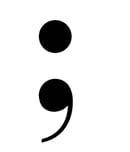
Sometimes, a tiny mark can carry a huge message. That’s the idea behind World Semicolon Day. Instead of ending a sentence, a semicolon lets it keep going, just like people do after tough times. The day uses this symbol to highlight the strength it takes to live with mental health struggles...
- United States

National Dog Bite Prevention Week
It is hard to think something as loyal as a dog could ever harm someone. But even the sweetest pup may react when afraid or stressed. National Dog Bite Prevention Week brings this truth into focus. It reminds people that bites often come from everyday situations—startling a dog, grabbing its toy...
- United States

Selena Day
Selena Day honors the life, voice, and lasting cultural spark of Selena Quintanilla, the artist widely celebrated as the Queen of Tejano music. It is a day for turning up the volume, sharing stories, and appreciating how one performer’s charisma and craft helped reshape what mainstream audiences expected from Latin...
- Mexico
- United States

National Healthcare Decisions Day
National Healthcare Decisions Day is an important event that encourages people to discuss and document their healthcare wishes. At its core, the day is about clarity. Medical emergencies can arrive with zero warning, and serious illness can make it hard to speak up in the moment. National Healthcare Decisions Day invites...
- United States
Seize Every Day
Join free for personalised recommendations, email reminders and exclusive guides. Never miss a day.