

Card Reading Day is a fun and meaningful holiday that encourages people to read and send greeting cards. It’s a perfect time for diving into the collection of cards received over the years, bringing back memories, and reliving the emotions captured in those messages.
Whether it’s a birthday wish, a thank-you note, or a card celebrating a special occasion, each card holds sentimental value, making this day a touching experience — and that’s what Card Reading Day is all about!
How to Celebrate Card Reading Day
Dive into Your Card Collection
Pull out that dusty box of old greeting cards and take a trip down memory lane. Each card holds a unique story, ready to be rediscovered. Laugh, cry, and relive the special moments captured in those cherished messages. Sharing these memories with friends or family adds an extra layer of joy.
Create a Handmade Masterpiece
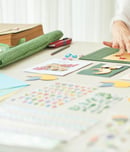
Unleash your inner artist by crafting a homemade greeting card. Use colorful paper, markers, stickers, and anything else that sparks creativity.
A personalized card not only looks great but also shows extra thoughtfulness. Handmade cards have a special charm that store-bought ones can’t match.
Host a Card Reading Party
Invite friends over for a card reading extravaganza! Each guest can bring their favorite decks, whether they are tarot, oracle, or plain old playing cards.
Take turns giving readings and interpreting the cards. It’s a fun way to bond and explore the mystical side of card reading together.
Send a Surprise Card
Brighten someone’s day by sending an unexpected greeting card. Pick someone who could use a smile and write a heartfelt message.
It could be a friend, family member, or even a colleague. Receiving a card out of the blue can make anyone feel special and appreciated.
Share Your Cards on Social Media
Snap photos of your favorite cards and share them on social media. Use hashtags to join the Card Reading Day celebration online. Encourage others to do the same and spread the love. This way, you can connect with fellow card enthusiasts and start a new tradition.
Explore New Card Spreads
For those who love tarot or oracle cards, Card Reading Day is the perfect time to learn a new card spread. Pick a layout that intrigues you and spend the day mastering it. This can deepen your understanding of the cards and enhance your reading skills.
Make it a Family Affair
Get the whole family involved in celebrating Card Reading Day. Kids can create their cards while adults share stories from their favorite cards.
This can become a delightful family tradition, fostering creativity and strengthening bonds. Everyone gets to participate and enjoy the magic of card reading.
Why Celebrate Card Reading Day?
The main reason for celebrating Card Reading Day is to acknowledge the emotional impact of receiving a card. Greeting cards express feelings and sentiments that might be hard to convey in person. They serve as a tangible reminder of someone’s thoughtfulness and care.
This day prompts us to appreciate these moments and the people who took the time to send us a card, reinforcing our connections with loved ones.
Additionally, Card Reading Day highlights the importance of keeping the tradition of sending cards alive. Despite the rise of digital communications, physical greeting cards remain special because they show a personal touch. They are not just pieces of paper but tokens of affection and appreciation.
Celebrating this day encourages people to take a break from the digital world and engage in a heartfelt practice that nurtures relationships and brings joy to both sender and receiver.
Card Reading Day Timeline
Papyrus Greetings in Ancient Egypt
Early Egyptians inscribe messages of goodwill on papyrus, creating one of the earliest known traditions of written greetings that foreshadow modern cards.
New Year Messages in Ancient and Early Imperial China
Chinese celebrants exchange written wishes for the New Year on materials such as paper after its invention, helping establish the idea of seasonal greeting messages.
Handmade Greeting Cards in Europe
Handmade paper greeting cards begin circulating in Europe, including printed and hand-colored woodcut New Year and religious cards that anticipate later commercial designs.
First Commercial Christmas Card by Henry Cole
In London, Sir Henry Cole commissions artist John Callcott Horsley to design and print about 1,000 Christmas and New Year greeting cards, launching the commercial holiday card.
Mass Production of Greeting Cards Begins
Commercial production of greeting cards expands, with publishers issuing cards in large quantities and making sentimental greetings affordable to a growing middle class.
Louis Prang Popularizes American Christmas Cards
Printer Louis Prang introduces high-quality color Christmas cards in the United States, earning the title “father of the American Christmas card” as his designs gain wide popularity.
Rise of Modern Greeting Card Companies
Specialist publishers such as Hallmark, founded by Joyce Hall, develop branded lines of cards, helping transform personal greetings into a major commercial industry.
History of Card Reading Day
Card Reading Day is a relatively modern holiday that emerged in the late 1990s. Although the exact origins and the individual who started it remain unclear, the day quickly gained popularity.
It was established to celebrate the joy and sentiment associated with reading and sending greeting cards. In addition, this day encourages people to revisit the cards they have received, cherish the memories, and connect with loved ones through heartfelt messages.
The holiday highlights the emotional impact that greeting cards have on relationships. Cards have been used for centuries to express feelings and celebrate special moments.
From ancient Chinese and Egyptian traditions of exchanging greetings to the popularization of Valentine’s and Christmas cards in Europe and America, cards have always played a significant role in human communication. Despite the rise of digital communication, physical cards remain cherished for their personal touch and lasting emotional value.
Celebrating Card Reading Day also supports the greeting card industry, which includes numerous publishers ranging from small businesses to large corporations like Hallmark. These companies promote the day to encourage people to send cards, keeping the tradition alive.
By participating, people not only enjoy a nostalgic activity but also reinforce their connections with family and friends, making Card Reading Day a special occasion to share love and appreciation.
Card Reading Day Facts
Cards have carried meaning, emotion, and intention for centuries, long before they became a familiar part of birthdays and holidays.
From ancient handwritten messages to modern greeting cards, this tradition reflects how people use written words to connect, express gratitude, and strengthen relationships in a personal and lasting way.
Ancient Papyrus and New Year Scrolls Started the Greeting Tradition
Long before folded cardstock appeared in mailboxes, people in ancient civilizations were already sending written well‑wishes.
In Egypt, messages were inscribed on papyrus to convey greetings, while in China, people exchanged handwritten New Year’s messages on paper as early as the Han dynasty.
These early practices of sending written good wishes are considered the ancestors of today’s greeting cards.
The First Commercial Christmas Card Helped Invent “Season’s Greetings”
The world’s first commercial Christmas card was commissioned in London in 1843 by civil servant Sir Henry Cole, who was overwhelmed by the custom of answering holiday letters.
Artist John Callcott Horsley designed a lithographed card showing a family feast with the printed message “A Merry Christmas and a Happy New Year to You,” effectively turning a time‑saving shortcut into a new social tradition that helped popularize mass‑produced seasonal cards.
Handwritten Cards Trigger Stronger Emotional Responses Than Email
Experiments comparing physical mail to email have found that handwritten notes and greeting cards create measurably stronger emotional reactions in recipients.
Studies cited by relationship researchers and mail‑industry neuroscience testing show that people feel more cared for, more appreciated, and more connected when they receive a tangible card they can hold, keep, and revisit, compared with a digital message that is quickly read and forgotten.
Expressing Gratitude in a Card Can Boost the Sender’s Happiness Too
Writing a heartfelt note does not just benefit the recipient. In a study highlighted by Psychology Today, participants who wrote simple, sincere thank‑you notes significantly underestimated how much their messages would be appreciated.
Both senders and recipients reported boosts in mood and well‑being, showing that the small act of putting gratitude into words on paper can strengthen social bonds and increase happiness on both sides.
Tarot Cards Began as a Renaissance Game Before Becoming Mystical Tools
What many people now associate with fortune‑telling started out as a fashionable pastime.
Museum research shows that tarot decks first appeared in northern Italy in the 15th century as lavish playing cards for a trick‑taking game called tarocchi, commissioned by elite families such as the Visconti and Sforza.
Only in the late 18th century did French occultists begin reinterpreting tarot images as esoteric symbols and using the cards for divination.
Reading Ordinary Playing Cards for Fortune‑Telling Predates Tarot Divination
Cartomancy, or fortune‑telling with cards, did not begin with the specialized tarot deck.
Historians note that by the 18th century in Europe, readers were already assigning meanings to the suits and numbers in ordinary 52‑card playing decks.
Figures such as Jean‑Baptiste Alliette (known as Etteilla) later adapted these practices to tarot, publishing some of the first printed guides that mapped specific interpretive meanings onto individual cards.
Paper Greeting Cards Carry a Noticeable Carbon Footprint
Behind the charm of a paper card is a high environmental cost.
Analysis referenced by the University of Exeter and industry summaries suggests that manufacturing, printing, and delivering a single paper greeting card typically generates around 140 grams of CO₂ equivalent, and billions of cards sold each year add up to emissions comparable to hundreds of thousands of long‑haul flights.
This has pushed card publishers toward recycled paper, lighter packaging, and other greener practices.
Card Reading Day FAQs



You may also like
National Greeting Card Day
Sending a heartfelt message through colorful, expressive tokens that light up special moments in the lives of loved ones is a beautiful tradition.
- Australia
- Canada
- United Kingdom
- and 1 more

Send an Electronic Greeting Card Day
If spotting a cute emoji can put a smile on someone’s face, imagine how it would brighten their day to get an even more personal surprise in their in-box. Make that happen on Send An Electronic Greeting Card Day. This annual occasion reminds us of the joy of sending and...
- Australia
- Canada
- United Kingdom
- and 1 more

Hug A Greeting Card Writer Day
Appreciate the creativity and positivity of those master word crafters who write the cards that tell others how we feel. Give a greeting card writer a hug!
- Canada
- United Kingdom
- United States

National Send a Card to a Friend Day
Spreading smiles the old-fashioned way, with a personal touch that brightens someone's day, all through an envelope and a stamp.
- United States
National days and holidays on February 21 2027

National Nest Box Week
If you want to invite more birds to your yard, consider putting up some cozy little homes for these feathered friends!
- United Kingdom

International Mother Language Day
The celebration of linguistic heritage honors the resilience and cultural richness of a nation's language, paying homage to a profound identity and promoting unity.
- Bangladesh
- India
- International
- and 1 more

Makha Bucha Day
Makha Bucha Day is a significant Buddhist holiday that represents a moment of spiritual reflection and unity among Buddhists. It’s a day when devotees come together to reaffirm their commitment to the core principles of Buddhism, which include refraining from harmful actions, doing good, and purifying the mind. The day...
- Cambodia
- Laos
- Thailand

Mental Health Nurses Day
Mental Health Nurses Day celebrates the quiet strength of those who meet people in their hardest moments and stay with them there. These nurses don’t just offer treatment—they notice the shake in a hand, the pause before a word, the silence that says more than a sentence ever could. Their...
- United Kingdom
Seize Every Day
Join free for personalised recommendations, email reminders and exclusive guides. Never miss a day.