Wellderly Day
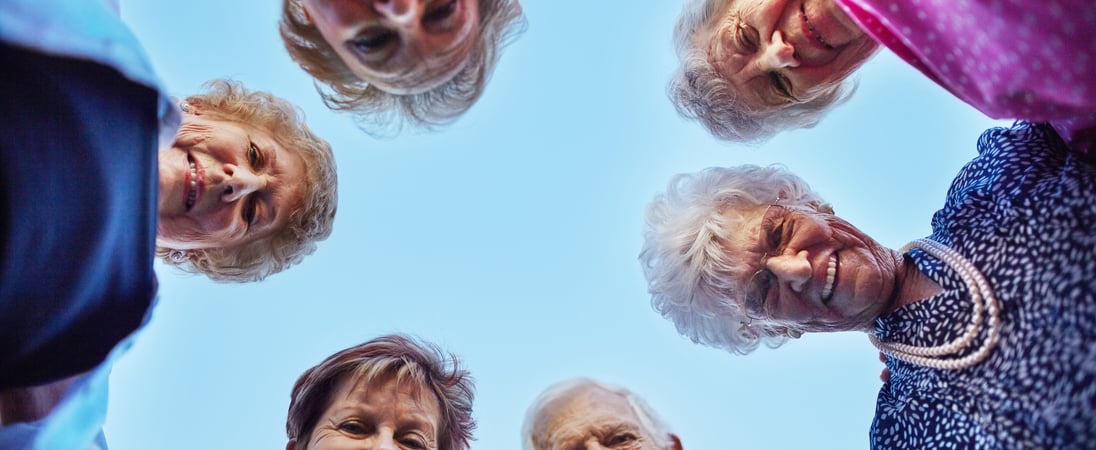
Wellderly Day celebrates the vibrancy and well-being of older adults, emphasizing that age need not limit one’s ability to live a healthy and fulfilling life. It shines a friendly spotlight on the idea of “health span” rather than simply “life span,” encouraging people to focus on the years that feel strong, capable, engaged, and enjoyable.
At its heart, Wellderly Day invites a refreshingly upbeat view of aging. It recognizes the experiences and wisdom of older generations while also championing something practical: everyday choices that support mental sharpness, social connection, and physical comfort.
The message is not that everyone must age the same way, but that well-being can be nurtured at any age, with curiosity and humor included.
Communities, families, and senior living groups often use Wellderly Day as an excuse to plan activities that keep minds busy and spirits high. That might look like an art class with lots of chatter, a gentle movement session followed by snacks, or a storytelling meetup that turns into a giggle-fest.
The goal is simple: help older adults feel connected, valued, and celebrated for who they are right now.
How to Celebrate Wellderly Day
Celebrating Wellderly Day can be as creative and joyful as the seniors it honors. The best plans are the ones that feel welcoming, doable, and genuinely fun, not like a chore disguised as “wellness.” Small touches matter: comfortable seating, good lighting, clear audio for group activities, and a pace that leaves room for conversation.
Wellderly Day also works best when it is intergenerational. A teen learning a card game from a grandparent, an adult child trying chair yoga for the first time, or a neighbor stopping by to share a favorite recipe can turn a simple activity into a memory. These moments reinforce the day’s main theme: older adults are not on the sidelines of life. They are active participants, mentors, friends, and culture-keepers.
Here are some fun, lively ways to make the day memorable and full of laughter.
Share Laughter and Fun
Start with something simple yet powerful: laughter. A good laugh loosens tension in the body, boosts mood, and makes people feel closer to each other. It also lowers the “stakes” of the day. When the tone is playful, it is easier for everyone to join in, especially those who may feel shy or new to a group setting.
A comedy show can be a great anchor activity, but the best choice is one that matches the audience. Some people love classic stand-up, others prefer witty sitcoms, and many enjoy old movies that rely on timing rather than shock value. Keeping volume comfortable and providing captions can make the experience more inclusive.
A “joke swap” is another easy win. Invite guests to bring one clean joke, a funny memory, or a harmless prank story from earlier years. It is a low-cost way to put everyone on equal footing. For group settings, a “Laugh Wall” can keep the fun going all day.
Use a bulletin board or large poster paper where people can add jokes, cartoons, or short notes like “The time we tried to fix the sink…” Humor becomes a shared language, and that sense of belonging is a big part of feeling well.
Host a Storytelling Circle
Celebrate the richness of experience by organizing a storytelling event. A storytelling circle honors older adults not just for their longevity, but for the lives they have actually lived: the jobs, friendships, migrations, inventions, mistakes, triumphs, and everyday moments that shaped them.
Keep the format supportive and relaxed. A good structure is a set of gentle prompts, such as “A meal I’ll never forget,” “A lesson I learned the hard way,” or “The best advice I received.” Offer the option to pass. Not everyone wants the spotlight, and participation should always feel safe and voluntary.
A cozy setting helps. Comfortable chairs arranged in a circle, warm lighting, and minimal background noise allow people to focus. If the group is large, consider breaking into smaller circles so every voice has room. Someone can volunteer as a listener-scribe, jotting down memorable lines to share later.
If participants enjoy it, the group can create a simple “memory book” with short stories and photos. The result is more than entertainment. It is a reminder that older adults carry living history, and that being heard is a form of care.
Try New Hobbies Together
Trying a new hobby can spark joy and ignite creativity. New experiences also give the brain a workout by building fresh pathways, especially when learning includes a little challenge and a lot of encouragement. The goal is not mastery. It is play, experimentation, and the pride of saying, “I tried something new.”
Set up small stations so people can sample different activities without committing to a full class. Painting with watercolor pencils, container gardening with easy-to-handle tools, or learning a few notes on a simple instrument can all work well. Craft projects that yield quick results are especially satisfying, such as decorating small pots, making greeting cards, or assembling a photo collage.
Choose hobbies with accessibility in mind. Provide larger-grip pens or brushes, offer seating for activities typically done standing, and keep instructions clear and step-by-step. If the group includes people with limited mobility, hobbies like birdwatching, indoor herb gardening, beginner knitting, or phone photography can be surprisingly engaging.
The real magic is the shared discovery, the moment someone realizes they still have “beginner’s mind,” and the room fills with curiosity instead of self-criticism.
Move and Groove
Physical activity is a must for feeling great at any age, but Wellderly Day keeps the emphasis on enjoyment, not intensity. Movement supports balance, flexibility, joint comfort, circulation, and confidence. It also helps many people sleep better and feel more steady emotionally. Most importantly, it can be social, and social movement tends to be the kind people actually stick with.
A dance session can be adapted for nearly any ability level. Some guests may want to dance standing, others might prefer seated movement with arms and shoulders, and both can happen in the same room. Play music that matches the group’s tastes and energy, and keep the pace friendly. Short sessions with breaks often work better than a long class.
Gentle yoga or tai chi are also good options because they focus on controlled movement and breath. Provide chairs and encourage modifications. Clear cues matter, especially in group settings: slow demonstrations, reminders to drink water, and reassurance that stopping to rest is always fine.
If going outdoors is feasible, a short walk can be a perfect blend of movement and conversation. A “stroll and chat” format turns exercise into a social event. Add simple goals like spotting a certain color in nature, sharing a favorite childhood outdoor game, or taking one photo each to show the group afterward. It keeps the mood light while still honoring the value of moving the body.
Savor a Culinary Adventure
Wrap up Wellderly Day with a delicious, nourishing meal. Food is one of the easiest ways to create comfort and connection. A shared table encourages conversation, and cooking together can bring out stories people did not even realize they were carrying.
A “food tour” theme keeps things playful: small tastes from different cuisines, a potluck of family favorites, or a rainbow plate challenge focused on colorful fruits and vegetables. For groups, label dishes clearly and consider a few texture-friendly options, since some older adults prefer softer foods. Flavor should never be sacrificed, though. Herbs, citrus, and spices can add excitement without relying on heavy salt or sugar.
Invite seniors to share recipes and cooking tricks. That could mean a demonstration of a signature dish, a swap of handwritten recipe cards, or a short “kitchen wisdom” segment where people share practical tips like stretching leftovers, using pantry staples, or making vegetables taste good without much fuss.
For an extra touch, create a “story menu” where each dish comes with a small note: why it matters, who taught the recipe, or when it is traditionally served in that person’s family. Wellderly Day is about well-being, and a meal that nourishes both body and memory fits the theme perfectly.
Wellderly Day Timeline
1889
First formal use of “geriatrics” as a medical concept
Austrian physician Ignatz Leo Nascher began promoting the idea that older adults need distinct medical attention, helping lay the groundwork for modern geriatric medicine.
1952
Birth of gerontology as an academic field
The Gerontological Society of America launched the Journal of Gerontology, giving researchers a dedicated forum to study aging, health, and well-being in later life.
1987
The “successful aging” model reframed later life
Researchers John Rowe and Robert Kahn published their influential article on “successful aging,” highlighting low disease risk, high function, and active engagement with life as key goals.
1990
Landmark study linked activity and healthy aging
A major longitudinal study of older adults finds that regular physical activity, social engagement, and healthy habits are tied to better function and longer disability‑free life.
2002
WHO launches Active Ageing policy framework
The World Health Organization’s Active Ageing framework urges countries to optimize health, participation, and security for older people, shifting attention from mere survival to quality of life.
2002
Madrid International Plan of Action on Ageing
At the Second World Assembly on Ageing, United Nations member states adopted the Madrid Plan, calling for policies that support health, participation, and dignity for older persons worldwide.
2015
WHO pivots to “Healthy Ageing” and functional ability
The World Health Organization’s World Report on Ageing and Health introduces Healthy Ageing, focusing on maintaining functional ability and well-being, not just adding years to life.
History of Wellderly Day
Wellderly Day began with Dr. Dale Anderson, a physician who promoted the health benefits of happiness, humor, and laughter, especially for older adults.
His central idea was to shift attention from simply extending “life span” to improving “health span,” the portion of life lived with energy, independence, and a sense of purpose. In other words, more years are nice, but better years are even better.
Dr. Anderson used the term “wellderly” to paint a hopeful picture of aging. The word itself is a playful blend that suggests older adulthood can still include vitality. Rather than treating aging as a slow retreat from life, his approach framed it as a stage that can be actively shaped through mindset, engagement, and daily habits.
That does not mean ignoring real health challenges. It means refusing to reduce a person to their aches, diagnoses, or birthday count.
A key part of the Wellderly Day message is that laughter is not just entertainment; it is a tool. Dr. Anderson encouraged people to build humor into daily routines, almost like a fitness practice for the spirit. A playful outlook can help people handle stress, connect with others, and stay curious. When older adults are encouraged to laugh, learn, and share stories, they are being encouraged to remain participants in their own lives.
Dr. Anderson also emphasized mental engagement. Staying “well-elderly” is not just about physical strength. It includes keeping the mind active with conversation, games, reading, puzzles, music, volunteering, or learning something unfamiliar.
Social connection plays a major role here. Many older adults thrive when they feel useful and included, whether that means mentoring younger people, contributing to community projects, or simply being part of a regular group.
As the idea spread, organizations and communities adopted Wellderly Day as a reason to host events that celebrate older adults in a positive light. Activities often blend fun and practical wellness, such as group exercise classes, educational talks on healthy habits, laughter-focused gatherings, and intergenerational meetups.
The day’s appeal is that it does not demand perfection. It invites participation. It says that well-being is not reserved for the young, and that joy is not something people outgrow.
Wellderly Day continues to resonate because it balances warmth with realism. It celebrates seniors’ contributions and encourages supportive environments where older adults can stay active, connected, and engaged.
In that sense, it is less about chasing youth and more about honoring the best parts of living: relationships, curiosity, humor, and the everyday choices that help people feel like themselves.
Welllderly Day: Living Longer, Living Better
Welllderly Day highlights a powerful shift in how we think about aging—not just adding years to life, but adding health, independence, and purpose to those years.
The facts behind this day explore the science of healthy aging, the gap between lifespan and healthspan, and the surprising role of social connection in longevity, showing that true well-being in later life depends on more than genetics alone.
-
Genes That Help People Stay “Wellderly”
The Scripps “Wellderly Study” followed more than a thousand adults aged 80 and older who had avoided major chronic diseases, and found they did not simply carry more known “longevity genes.”
Instead, they tended to have fewer genetic risk variants for conditions such as coronary artery disease and Alzheimer’s disease, suggesting that protection from illness, rather than extreme lifespan genes, may be central to healthy aging.
-
Healthspan Often Lags Behind Lifespan
Demographers have shown that while life expectancy has risen dramatically over the last century, the number of years people spend in good health has increased more slowly, meaning many older adults live a significant portion of late life with disability or chronic disease.
This “healthspan gap” is a major concern in gerontology and drives calls to refocus policy and research on extending years of healthy function rather than simply lengthening life.
-
Loneliness Can Shorten an Older Adult’s Life
Large epidemiological studies have found that social isolation and loneliness in later life are associated with substantially higher risks of premature death, comparable in magnitude to well‑known risk factors such as smoking and physical inactivity.
The U.S. Surgeon General and public health researchers have highlighted that older adults with strong social connections tend to have better cognitive health, less depression, and lower rates of cardiovascular disease.
-
Laughter Has Measurable Effects on the Body
Clinical trials of “laughter therapy” in older adults show that regular exposure to humorous activities can lower blood pressure, reduce stress hormones, and improve measures of mood and quality of life.
Some small studies in seniors with chronic conditions have also reported improvements in pain tolerance and immune markers, suggesting that laughter and playful engagement have more than just psychological benefits.
-
Movement Preserves Independence After 65
Guidelines from the U.S. Department of Health and Human Services recommend that adults 65 and older aim for at least 150 minutes per week of moderate‑intensity aerobic activity plus muscle‑strengthening and balance exercises on two or more days.
Research reviewed in these guidelines shows that following this pattern lowers the risk of falls, heart disease, type 2 diabetes, and loss of mobility, allowing many older adults to maintain independence longer.
-
Mediterranean‑Style Eating Supports Healthy Aging
Long‑term cohort studies in Europe and North America have found that older adults who adhere closely to a Mediterranean‑style dietary pattern, rich in vegetables, fruits, whole grains, legumes, olive oil, and fish, tend to have lower risks of cognitive decline, cardiovascular disease, and overall mortality.
This way of eating is increasingly studied as a practical strategy for extending healthspan, not just lifespan, in aging populations.
-
“Super Agers” Often Have Remarkably Resilient Brains
Neuroscience research on so‑called “super agers” shows that some people in their 80s and beyond retain memory performance similar to individuals decades younger, and brain scans reveal thicker regions of the cortex that normally thin with age.
Studies suggest that factors such as lifelong learning, regular physical activity, and rich social engagement may help preserve these brain structures and functions into very late life.
Also on ...
View all holidays
National Panda Day
Nature's cuddly ambassadors, with a diet that's 99% bamboo and an unmistakable appearance that's sure to melt your heart.
We think you may also like...
World Elder Abuse Awareness Day
Many elderly people face financial, emotional, and physical abuse. Help raise awareness and put a stop to this tragedy on World Elder Abuse Awareness Day.
Spunky Old Broads Day
Age is just a number when it comes to these lively ladies! They've lived through it all and aren't afraid to speak their minds.
Older Americans Month
Honoring the wisdom and experience of seniors with events recognizing their contributions and enriching their lives.