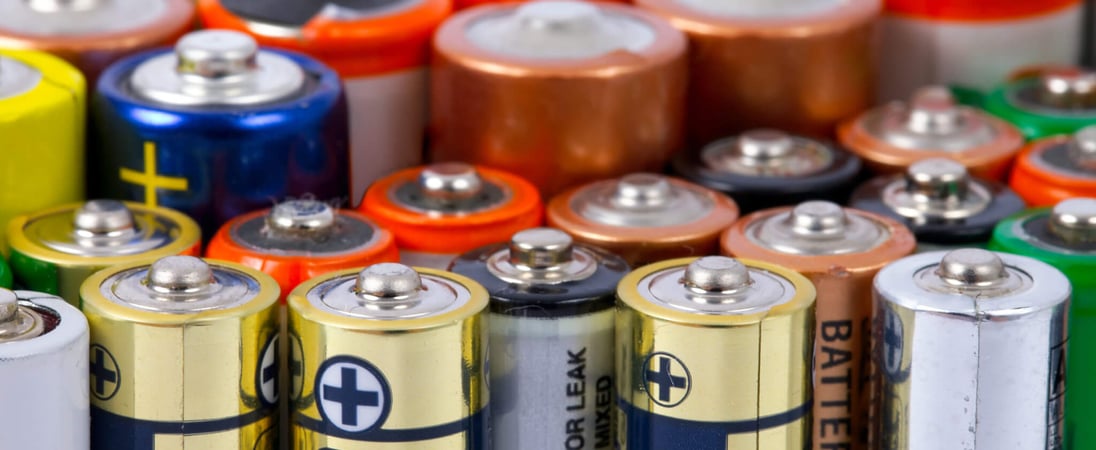
Check Your Batteries Day
Check Your Batteries Day reminds us to check and change the batteries in our household devices. Why, you may wonder?
Well, it’s not just about keeping your remote controls working; it’s about safety and preparedness.
How to Celebrate Check Your Batteries Day
Celebrating Check Your Batteries Day can be both fun and productive. Here are some quirky and practical ways to mark the occasion:
Battery Hunt
Start the day with a playful “battery hunt” around your house. Check every device – from smoke detectors to remote controls. Make it a game to see who can find the most battery-powered gadgets.
Shopping Spree
Take a trip to your local store and stock up on various batteries. It’s like a treasure hunt but in the battery aisle!
Teach the Kids
Use this day as a teaching moment for the little ones. Show them how to check and change batteries safely. It’s a mini science lesson wrapped in fun!
Battery Art
Get creative and make some art or crafts with old, used batteries (after taping the ends for safety, of course). It’s a quirky way to recycle.
Safety Check Party
Invite friends or neighbors over for a safety check party. Go from house to house, checking each other’s smoke alarms and carbon monoxide detectors.
Social Media Challenge
Start a social media challenge using #CheckYourBatteriesDay. Encourage your friends and followers to share photos of their battery checks.
Battery Donation
Collect and donate batteries to local schools, community centers, or elderly homes. It’s a kind gesture that can make a big difference.
Battery Swap
Organize a battery swap with neighbors. Exchange the types you have too many of for those you need. It’s a great way to ensure everyone’s prepared.
These suggestions blend safety with a dash of fun, turning a routine task into an enjoyable and communal event. Remember, Check Your Batteries Day is about more than just batteries; it’s about keeping our homes and loved ones safe.
Why Celebrate Check Your Batteries Day?
This day encourages us to check batteries in essential devices like smoke detectors, carbon monoxide alarms, and flashlights. Why is this important? Smoke and carbon monoxide detectors save lives. They alert us to dangers we can’t always see or smell.
By checking these batteries, we ensure our safety devices are ready to do their job. In fact, changing smoke alarm batteries monthly and replacing the alarm every ten years are recommended practices for home safety.
This day is more than a routine check-up; it’s a life-saving habit. It also coincides with Daylight Saving Time, making it easier to remember.
So, whether you’re changing batteries in your clock or ensuring your safety alarms are functioning, Check Your Batteries Day is about taking simple steps that can have a big impact.
It’s a day to make sure you’re prepared for emergencies and to keep your home running smoothly. Remember, a few minutes spent checking batteries today could be a lifesaver tomorrow.
History of Check Your Batteries Day
The history of Check Your Batteries Day is a bit like a detective story with some missing pieces. We don’t exactly know who started it or when it first popped up. What we do know is that it’s cleverly set around the same time as Daylight Saving Time. This makes it easier to remember – “Spring forward, check your batteries!”.
This special day is about more than just making sure your TV remote works. It focuses on something crucial: keeping your safety devices, like smoke detectors and carbon monoxide alarms, in tip-top shape.
Batteries in these devices are the silent guardians of our homes, alerting us to unseen dangers like smoke or harmful gases. The idea behind the day is simple yet vital: a working battery can save lives.
While the exact origins remain shrouded in mystery, the day has taken on significant importance over the years. It serves as an annual nudge, a friendly reminder to check and change batteries in key household devices.
It’s not just about changing batteries; it’s about ensuring peace of mind and safety for you and your loved ones.
So, while the story of its beginning might be a bit elusive, the impact of Check Your Batteries Day is clear and powerful. Remember, when you spring forward for daylight savings, it’s also time to check those batteries!
Facts About Check Your Batteries Day
Nuisance Alarms Are a Major Reason Batteries Get Removed
Field surveys have found that nuisance alarms, especially from cooking, are a major reason people disconnect or remove batteries from smoke alarms.
In a study of low-income homes in Alaska, more than 90 percent of ionization-type alarms caused nuisance activations, which led to battery removal in about 19 percent of those homes, compared with only 4 percent battery removal in homes that used photoelectric alarms.
A Quarter of Household Smoke Alarms May Not Work When Needed
On-site inspections of homes with smoke alarms have repeatedly shown that a significant portion of installed devices do not function when tested.
One large study reported that roughly 25 to 30 percent of alarms failed, often because the battery was dead, missing, or improperly installed, or because the alarm mechanism itself had deteriorated over time.
Most Home Fire Deaths Occur Where Alarms Are Missing or Silent
Analysis by the National Fire Protection Association shows that nearly three out of five home fire deaths in the United States happen in properties with no smoke alarms or alarms that fail to operate.
Their research also indicates that having working smoke alarms roughly cuts the risk of dying in a reported home fire by about half, underscoring how critical a powered, functioning unit is.
Regular Testing Schedules Are Built into Official Safety Guidance
Fire safety organizations emphasize that batteries should be checked on a regular schedule, not just after a problem appears.
The U.S. Fire Administration and many state fire marshals recommend testing smoke alarms monthly, replacing replaceable batteries at least once a year or whenever an alarm chirps, and replacing the entire alarm unit every 10 years, regardless of power source.
Photoelectric Smoke Alarms Can Reduce Battery-Related Tampering
Because photoelectric smoke alarms are less prone to false alarms from routine cooking than ionization models, they are less likely to have their batteries deliberately removed.
In the Alaska home study, homes with photoelectric alarms had nuisance alarms in only about 11 percent of cases and battery removal in just 4 percent, suggesting that choosing alarm technology wisely can help keep batteries in place and devices powered.
Daylight Saving Time Is Widely Used as a Battery-Check Reminder
Even outside of any named observance, fire services and public agencies have long used the seasonal clock changes as a cue to check batteries.
Campaigns such as “Change your clocks, check your batteries” appear regularly in state government advisories, which urge residents to use the spring and fall time changes as built-in reminders to test alarms and install fresh batteries where needed.
Dead Batteries Undermine Carbon Monoxide Protection Too
Safety guidance for carbon monoxide alarms mirrors that for smoke alarms, because a powerless device cannot warn of this odorless, colorless gas.
Government fire safety bulletins advise homeowners to follow manufacturer instructions for testing CO alarms, replace batteries at least annually for units with replaceable cells, and replace the entire device every five to seven years, depending on the model.
Check Your Batteries Day FAQs
How often should smoke alarm and carbon monoxide detector batteries be replaced?
Fire safety organizations generally advise testing alarms monthly and replacing standard replaceable batteries at least once a year, or any time the low‑battery warning sounds.
Devices themselves should be replaced roughly every 10 years for smoke alarms and every 5 to 7 years for many carbon monoxide detectors, following the manufacturer’s instructions and local fire codes.
Do working smoke alarms really make a difference in house fires?
Research from the National Fire Protection Association finds that homes with working smoke alarms have significantly lower fire death rates than homes without them, and that hardwired alarms tend to operate more often and are associated with fewer deaths per 1,000 fires than battery‑only alarms.
What is the safest way to store spare household batteries at home?
Safety guidance from industry groups recommends keeping batteries in their original packaging or in a battery case, storing them in a cool, dry place, and keeping them out of reach of children.
Terminals should not be allowed to touch metal objects or each other to reduce the risk of short circuits and overheating.
How should used household batteries be disposed of or recycled?
In many regions, used batteries should not go in regular household trash but instead be taken to designated collection or recycling points, such as municipal drop‑off sites or participating retailers.
European regulations, for example, require battery sellers to accept used portable batteries for recycling at no additional cost.
Why do some people remove smoke alarm batteries even when they know it is unsafe?
Fire safety studies note that nuisance alarms from cooking or steam are a common reason people disconnect or remove batteries, which then leaves them unprotected.
Education efforts often stress proper alarm placement, use of the hush or silence feature, and prompt battery replacement to reduce the temptation to disable alarms.
Are long‑life or sealed‑battery smoke alarms safer than alarms with replaceable batteries?
NFPA research indicates that hardwired or long‑life sealed‑battery alarms are less likely to fail because they cannot easily be disabled by removing a battery, and they often come with built‑in end‑of‑life signals.
However, they still need regular testing, and the entire unit must be replaced at the end of its rated service life.
Also on ...
View all holidays
National Peanut Cluster Day
Candy aisle treasures, with the perfect blend of nutty and sweet, a delightful snack for those craving a bit of delight.