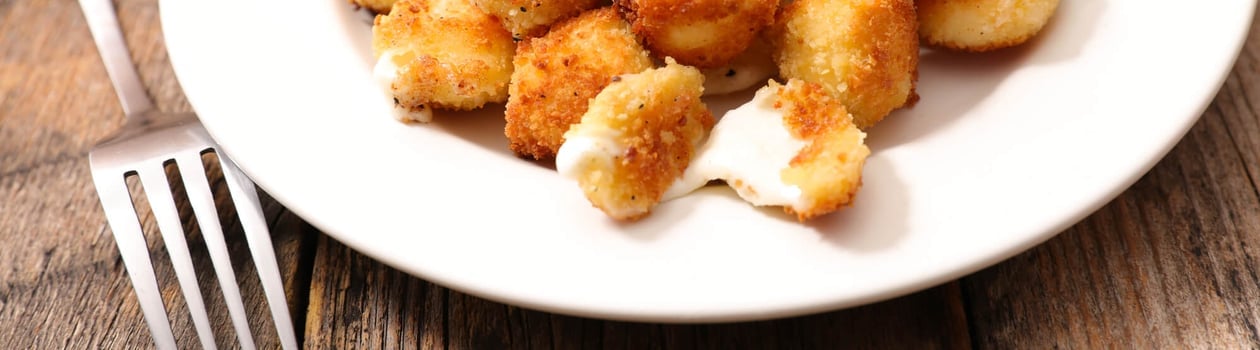
They can be found in the supermarket, they are often a common appearance during the holidays, and if you’re like many people, you may be wondering precisely what purpose they serve?!
That’s right, this is all about that mysterious, delicious party food called the Cheeseball!
For those who are considering just how many occasions really call for a bit of cheddar cheese rolled in roasted almond slices, the people who support National Cheeseball Day believe that the answer is ALL of them!
Also, don’t forget that cheeseballs can also be those little, round, shockingly orange corn puffs that are covered with powdered cheese! Definitely a younger person’s idea of what a cheese ball is, this is still a legitimate snack to appreciate.
Whichever style is chosen or preferred, National Cheeseball Day celebrates these odd little culinary mainstays and encourages everyone to explore the history behind them and how they came to be what they are today.
Who knows? National Cheeseball Day may even find a lot of unlikely people creating their own cheeseballs and adding them to their regular fare!
National Cheeseball Day Timeline
Invention of Extruded Cheese Curls
At the Flakall Corporation in Wisconsin, Edward Wilson and coworkers develop a process of extruding heated, moistened cornmeal that puffs as it exits the machine, then coat the curls with cheese, creating one of the first cheese-flavored puffed corn snacks.
Early Commercial Cheese Puffs Reach U.S. Markets
By the late 1940s, companies such as Elmer’s Fine Foods in New Orleans begin selling commercial cheese curls and puffs, helping establish the airy, cheese-coated corn snack category that later includes ball-shaped cheese puff snacks.
Cheese Balls Become Midcentury Party Staples
Cream cheese–based cheese balls and logs, often mixed with grated cheese and rolled in nuts or herbs, spread through midcentury American cookbooks and women’s magazines, turning molded cheese spreads into cocktail party and holiday buffet fixtures.
Launch of Planters Cheez Balls
Planters introduces Cheez Balls, a canned, neon-orange, ball-shaped puffed corn snack coated in cheese powder, helping cement the cheese ball as not only a creamy party spread but also a familiar crunchy snack food in the United States.
Planters Cheez Balls Reintroduced
After being discontinued for several years, Kraft Heinz brings Planters Cheez Balls back to U.S. store shelves for a limited run, drawing on consumer nostalgia and renewing attention to the bright-orange cheese ball snack.
How to Celebrate National Cheeseball Day
Celebrating National Cheeseball Day means not only eating cheeseballs, but also enjoying other ‘cheesy’ things as well! Try out these ideas:
Enjoy Eating a Cheese Ball
The best way to celebrate National Cheeseball Day is simply to indulge in the delicious treat that is the cheeseball.
Get your favorite dipping implement, whether that’s crackers, bread, or even bits of meat, and go to town with a cheese ball.
Other delectable items that can be dipped into a cheeseball include:
- Slices of apple or pear
- Pretzel sticks or pretzel twists
- Toasted mini bagel chips
- Pita triangles
- Fresh vegetables (carrot sticks, celery sticks, cauliflower)
- Graham Crackers (for the sweeter cheese balls)
Make a Cheese Ball at Home
Do a little bit of research and create a unique, culinary cheeseball creation at home to share it with friends, family, neighbors or coworkers.
Remember, little events like this are always popular at the office, and imagine how many types of cheese balls can be discovered then! (Or… maybe there will just be a lot of almond covered ones.)
A traditional cheese ball appetizer includes ingredients such as cream cheese, cheddar cheese, brie, sour cream, garlic powder and other spices.
Some people like to create a spicy version that uses hot pepper sauce. Other people like to include a splash of Worcester sauce. Add Thai Sweet Chili sauce and serve with wontons!
Throw a Cheeseball Party
For those people who have a collection of friends who enjoy a ‘fortified blog of cream cheese’, the only option is to grab a friend and host a fun and exciting cheese ball party!
Of course the main food that is served must be cheeseballs, but that doesn’t’ have to be boring. There can be cheeseballs made in the normal way, but other options include an Asian theme, Pepper Jack, Hawaiian theme (with pineapple, of course), Cranberry Pecan and even dessert cheeseballs made with Oreo cookies!
At this party, feel free to watch Alvin and the Chipmunks 2 film, which features an excellent scene where Alvin converts the song “Stayin’ Alive” into an entire montage about being a Cheese Ball Man!
Since the theme of the party is everything cheese, have guests wear their ‘cheesiest’ clothes, and don’t forget to play ‘cheesy’ music! In addition to Alvin’s Cheese Ball song, try a variety of songs such as these:
- Cheese Please (2017) by Fred Molin
- Wrecking Ball (2013) Miley Cyrus
- Mice Eat Cheese (2001) Modest Mouse
- Great Balls of Fire (1961) Jerry Lee Lewis
- Cheesy Love Song (2020) The Lazy Eyes
History of National Cheeseball Day
The background of National Cheeseball Day starts at an unusual point in history–when the first cheese ball appeared at, perhaps one of the most unexpected of places, the White House.
In the early 1800s, there was a farmer by the name of Elisha Brown, Jr. who was seeking to present an unusual gift to then President of the United States, Thomas Jefferson. So it was this desire that allowed an unbelievably massive ball of cheese to wind up on the White House lawn.
How massive? 1,235 pounds to be exact! Now that is a huge ball of cheese. It’s a little wonder that it eventually became known as “The Mammoth Cheese”.
From that point, the cheese ball seemed to have disappeared into culinary history for nearly 150 years. It then had the good fortune to resurface in 1944 in a book by Virginia Safford called Food of My Friends. In this book, a recipe was included for the Cheese Ball, and it wasn’t long after that it found itself a staple of cuisine.
Can it truly be considered a cuisine, though? Well, that description does seem to require that there is more than one variation, doesn’t it? And the experience of most people, is that they have probably only seen the variety that’s rolled in toasted almonds. Believe it or not, though, there are hundreds of varieties of cheese balls available for every imaginable occasion!
Cheeseballs can be made of almost any kind of cheese, and then rolled in almost anything that can be imagined! Perhaps there isn’t even an “almost” to be said here. Some people have made cheese balls rolled in crushed Oreos, sparkly confetti topping, diced onions, peppers and garlic.
Anything that goes well with cheese (and perhaps a few things, like Oreos, that wouldn’t normally be thought of as ‘good with cheese’?) can be repurposed into the coating for a cheese ball.
Getting creative and exploring new tastes, while also offering a nod to the classics, is what Cheese Ball Day is all about!
Facts About National Cheeseball Day
Giant “Mammoth Cheese” Became a Political Symbol
In 1802, Massachusetts farmer Elisha Brown Jr. sent President Thomas Jefferson a massive 1,235‑pound wheel of cheese that became known as the “Mammoth Cheese,” turning a novelty food gift into a symbol of agrarian republicanism and religious dissent.
Produced by a cooperative of Baptist farmers who opposed Jefferson’s Federalist critics, the cheese was paraded through towns before arriving in Washington, and contemporary newspapers treated it as a statement of support for Jefferson’s democratic ideals as much as a culinary curiosity.
Cream Cheese Itself Is a 19th‑Century American Innovation
The soft, spreadable base used in many modern cheese balls did not originate in Europe but was developed in the northeastern United States in the late 1800s, when dairymen in New York and Pennsylvania began commercial production of “cream cheese” using standardized factory methods.
By the early 20th century, companies like Philadelphia Cream Cheese were mass‑producing it, which made rich, moldable cheese mixtures practical and affordable for home cooks who later adopted them for molded cheese spreads and cheese balls.
Mid‑Century Entertaining Helped Popularize Cheese Balls
Cheese balls as a familiar American party food are closely tied to mid‑20th‑century entertaining, when molded dishes, canapés, and cocktail snacks were promoted heavily in women’s magazines and community cookbooks.
In the 1940s and 1950s, hostesses were encouraged to prepare make‑ahead spreads shaped into balls or logs, often coated in nuts or herbs, as an economical but “elegant” way to feed guests during the cocktail hour, which helped cement cheese balls as a staple of holiday buffets and potlucks.
Cheese Puffs Were Accidentally Invented in a Feed Mill
The airy, crunchy style of cheeseball snack traces back to industrial experiments in the 1930s, when Midwestern animal‑feed plants discovered that moistened cornmeal forced through a heated extruder puffed into light, irregular shapes.
American companies adapted this process for human snacks, seasoning the extruded corn with powdered cheese and other flavorings; the same basic extrusion technology is still used globally to manufacture cheese puffs and round cheese balls today.
Why Powdered Cheese Sticks to Corn Snacks
The intensely orange coating on puffed cheese balls depends on dehydrated cheese powders and fine emulsifiers that cling to the porous surface of the puffed corn.
Manufacturers typically tumble the warm, freshly extruded pieces in rotating drums while misting them with oil and dusting them with cheese powder and flavoring mixtures, which allows the coating to adhere evenly and gives cheese balls their characteristic “cheesy fingers” effect when eaten.
Cheddar’s Aging Chemistry Shapes Cheese Ball Flavor
Many savory cheese balls rely on sharp cheddar, whose flavor comes from months or even years of protein and fat breakdown as the cheese ages.
During ripening, enzymes and bacterial cultures generate amino acids, small peptides, and volatile compounds that produce nutty, tangy, and sulfurous notes, so using an older cheddar in a cheese ball can dramatically deepen flavor compared with one made from young, mild cheddar.
Nuts on the Outside Help Protect the Cheese Within
Rolling a cheese ball in chopped nuts does more than add crunch; it also forms a partial barrier that slows moisture loss and limits oxygen exposure at the surface.
This coarse coating can help maintain a softer interior texture and protect delicate dairy fats from rapid oxidation in the refrigerator or on a buffet table, which is one reason nut‑coated cheese balls tend to keep their flavor and appearance better over the course of a party.