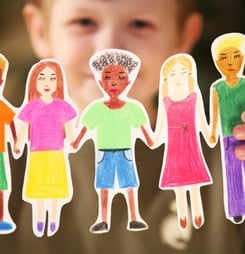

Children’s Day in the UK is a feel-good event that puts childhood front and center, not as a vague idea but as something that needs time, attention, and protection. It invites adults to celebrate what makes childhood wonderful, like play, curiosity, and imagination, while also taking a clear-eyed look at what children need to thrive: safety, good health, supportive relationships, and the freedom to be heard.
Across families, schools, clubs, and neighborhoods, the day lends itself to simple joys and meaningful moments. Some people mark it with games and outings; others use it as a prompt to check in on children’s well-being, support children’s services, or learn more about children’s rights. However it’s observed, the spirit stays the same: childhood matters, and children deserve a community that shows up for them.
How to Celebrate Children’s Day in the UK
Picnic in the Park
A picnic is an easy win because it combines the best parts of a celebration: food, fresh air, and a change of scenery. The key is to make it feel like a kid-centered event rather than adults eating sandwiches while children orbit in search of entertainment. Let children help plan the menu, choose the spot, and pack the bag. Even small decisions, like picking fruit or choosing a drink, can make them feel included.
To keep it playful, bring a few low-effort, high-impact items: a ball, sidewalk chalk, a kite, or a deck of cards. Classic picnic games such as “I Spy,” scavenger hunts, or relay races can be adapted for different ages and energy levels.
For younger children, a “nature color hunt” works well: find something green, something rough, something that smells good. For older kids, add challenges like identifying birds, sketching a tree, or taking photos of interesting textures.
A picnic can also be an opportunity to practice skills without turning the day into a lecture. Talk about sun safety, hydration, and tidying up the area afterward. Children can take responsibility for small tasks, such as collecting trash or making sure reusable containers go back into the bag. It sends a gentle message: enjoyment and care for shared spaces can go together.
Crafty Creations
Turning a kitchen table into an art studio is a classic Children’s Day move, and it works because creativity is both fun and restorative. It gives children a way to express feelings they might not have the words for, and it offers adults a chance to see the world through a child’s eyes, especially if grown-ups participate rather than supervise from afar.
Set out a mix of supplies that invite experimentation: paper of different sizes, markers, paint, glue, recycled boxes, fabric scraps, stickers, and anything safe that can be transformed. The goal is not perfection. It is exploration. A “mess-friendly” setup helps, like newspaper on the table and a designated drying area, so the creative mood doesn’t get interrupted by anxiety over spills.
To connect the activity to the day’s bigger meaning, encourage children to make something that celebrates people who support them. Thank you cards for a caregiver, a teacher, a coach, or a helpful neighbor are a sweet option.
Another idea is a “My Rights, My Voice” poster that includes what children think they need to feel safe and happy: friends, play, kindness, rest, and being listened to. When adults take those drawings seriously, children learn that their perspectives matter.
Displaying the finished artwork in a hallway, on a wall, or even as a temporary “gallery” strung on a line with clips adds a celebratory feel. Children tend to stand a little taller when their work is treated like it belongs in a museum.
Adventure Day
Children are wired to explore, and an adventure day embraces that instinct. It can be as big as a long hike or as small as a walk to a new park. What makes it feel adventurous is the mindset: noticing, questioning, and discovering.
Planning matters, especially for mixed ages and abilities. Choose a route that includes plenty of stopping points. Pack water, snacks, a basic first aid kit, and any comfort items younger kids might need. Then add a layer of “mission” to the trip. A simple checklist can transform a walk into an expedition: spot something that floats, find a feather, listen for three different bird calls, count how many bridges or steps appear along the way.
Tools can amplify curiosity without making it complicated. Binoculars turn distant birds into close-up wonders. A magnifying glass makes ordinary leaves look like landscapes. A notebook encourages children to sketch what they see or write down “field notes.” For kids who love technology, taking photos or recording sounds can be part of the adventure, as long as it still keeps attention on the real world.
Adventure days also support children’s development in quiet ways. Navigating uneven ground builds coordination. Asking children to lead for part of the route builds confidence. Noticing small changes in weather or light builds awareness. And perhaps most importantly, shared exploration strengthens relationships. Many children open up when walking side by side, when conversation doesn’t feel like an interview.
Baking Fun
Baking is a hands-on celebration that rewards effort with something delicious. It also teaches practical skills, from measuring and timing to following a sequence of steps. For Children’s Day, baking works best when it’s designed for participation rather than efficiency. The slightly uneven cookies and overly enthusiastic sprinkles are the point.
Choose a recipe that matches the children’s ages and attention spans. No-bake options can be great for younger kids. Older children may enjoy something with more steps, like muffins or decorated cupcakes. Set up stations so everyone has a role: measuring ingredients, stirring, lining trays, setting timers, or washing up. That last one might not sound exciting, but many kids like being trusted with “real” responsibilities.
While mixing and decorating, it’s easy to weave in learning without formal lessons. Talk about what happens when baking powder reacts, why butter changes texture, or how heat transforms batter. For children who feel anxious about mistakes, baking is a gentle teacher: even imperfect attempts can still be tasty, and most problems can be fixed or adapted.
If the day’s theme is appreciation, the treats can be shared. Deliver a small box to a neighbor, bring extras to a community group, or simply set aside a plate for someone who supports the child regularly. Sharing reinforces the idea that joy grows when it’s passed along.
Community Kindness
Children’s Day naturally pairs with kindness because it highlights children not only as receivers of care, but also as active members of their communities. Acts of kindness can be small and local, and they’re often more meaningful when children help choose what to do. The goal is to teach empathy and responsibility without turning kindness into a performance.
A good starting point is identifying who might appreciate support: neighbors who live alone, community helpers, or local organizations that serve children and families. Children can make cards, draw pictures, or assemble small “thank you” bundles with notes. If donating items, it helps to talk through what makes a donation useful: clean, complete, and appropriate for the recipient’s needs.
Community cleanups are another practical option. Picking up litter in a safe area, tidying a shared courtyard, or helping in a community garden offers visible results. Children often love seeing an immediate impact. Adults can frame it as caring for a shared home rather than punishment disguised as volunteering.
For older children and teens, kindness can include advocacy-style actions that are age-appropriate: writing a letter of appreciation to a youth worker, helping organize a school supply drive, or creating posters that promote respectful behavior and inclusion. Even a “kindness challenge” among friends, like doing one helpful thing per day for a week, can build momentum.
The most important piece is reflection. After the activity, ask what felt good, what was awkward, and what they learned. When children process their experiences, kindness becomes a habit rather than a one-off project.
Why Celebrate Children’s Day in the UK?
Children’s Day in the UK emphasizes a simple truth with big implications: children have needs and rights that deserve attention, not only within families but across society. Childhood is a period of rapid growth, and the environments children experience, including homes, schools, and communities, shape their long-term health, learning, and confidence. Celebrating the day helps keep that reality in view.
One major theme is children’s well-being. Well-being goes beyond physical health. It includes feeling safe, having stable relationships, getting enough rest, having opportunities to play, and knowing some adults will listen and respond. Activities on the day often aim to create those feelings directly, through connection and fun, while also reminding adults that well-being is built through everyday choices.
Another theme is children’s rights and freedoms. Children’s rights can sound abstract, but they show up in practical ways: being protected from harm, having access to education, receiving appropriate healthcare, and being treated with dignity.
A day dedicated to children offers a natural opportunity for adults to think about whether children’s voices are taken seriously in the spaces they inhabit. That can mean inviting children into family decisions, encouraging student participation in school life, and creating inclusive activities that respect different abilities, backgrounds, and personalities.
The event also highlights the role of the community. Children do not grow up in isolation, and family support often depends on the strength of surrounding systems, like schools, childcare, youth clubs, healthcare services, and community organizations.
Children’s Day encourages people to recognize and support the adults and institutions that contribute to healthy childhoods. It can also nudge neighbors and local groups to consider what kind of environment they’re creating for children, from safe play areas to respectful social norms.
Finally, the day is a reminder that celebrating children is not about indulgence. It is about recognition. It says children are not “future people” waiting to matter. They matter now. When a community treats childhood as valuable and worth protecting, children benefit, and so does everyone who will eventually share a world shaped by them.
Children’s Day in the UK Timeline
Factory Act Limits Child Labor in British Mills
The Factory Act of 1833 restricted the hours children could work in textile factories and required some schooling, marking a turning point in state recognition of children’s need for protection and education.
Elementary Education Act Begins Compulsory Schooling in England and Wales
The Elementary Education Act of 1870 set up locally elected school boards and laid the foundation for compulsory primary education, greatly expanding access to schooling for children.
Children’s Act Establishes the “Child and Young Person” in Law
The Children’s Act 1908, sometimes called the Children’s Charter, created juvenile courts and strengthened protection from abuse and exploitation, embedding the idea that children deserve special legal safeguards.
Education Act Reshapes Schooling for Children in England and Wales
The Education Act 1944, known as the Butler Act, raised the school leaving age and made secondary education free, affirming the state’s responsibility for every child’s education.
The UN Convention on the Rights of the Child Was Adopted
The UN General Assembly unanimously adopted the Convention on the Rights of the Child, setting out civil, political, economic, social, and cultural rights for all children and becoming the most widely ratified human rights treaty.
History of Children’s Day in the UK
Children’s Day in the UK sits within a broader international movement to recognize children’s needs, rights, and potential. A key milestone in that global conversation came in the mid-20th century, when the United Nations General Assembly encouraged countries to observe a day focused on children, intending to promote understanding and support children’s welfare.
This idea helped establish the concept of a dedicated day that could be adapted by different places in ways that made sense for their communities.
In the UK, the event took on a character that matches its purpose: uplifting childhood while encouraging practical support for children’s well-being. The timing is often framed to align with a season that naturally lends itself to outdoor play and community gatherings, making it easier for schools, families, and local groups to plan activities that feel celebratory rather than formal.
The emphasis on play and togetherness is not accidental. Play is widely recognized as central to children’s development, supporting social skills, emotional regulation, problem-solving, and physical health.
Over time, Children’s Day in the UK has become a flexible occasion rather than a one-size-fits-all observance. That flexibility is part of its strength. Schools can focus on student voice and well-being activities. Families can prioritize shared time and listening.
Community groups can spotlight services that support children and raise awareness of ongoing needs, such as access to safe spaces, mental health support, and protection from harm. The day’s message stays consistent even when the activities vary: children deserve nurturing environments where they can grow, feel secure, and be treated with respect.
The history of Children’s Day is also tied to the evolving public understanding of children’s rights. As children’s welfare and safeguarding standards have developed, so has the language around what children are entitled to, including protection, education, and participation in decisions that affect them.
In that context, Children’s Day in the UK functions as both a celebration and a prompt. It celebrates the joy and creativity of childhood, while also encouraging ongoing efforts to make sure every child has the support needed to flourish.
In practice, that means the day is not only about parties and treats. It is equally about attention and responsibility: noticing which children might feel left out, making room for quieter voices, and recognizing that a “happy childhood” is built through consistent care. The event’s enduring value lies in that balance, holding space for fun while keeping the focus on what helps children thrive.
Key Facts About Children’s Rights and Education in the UK
Children’s Day in the UK highlights the progress made in protecting and supporting young people over time.
From major legal milestones to international commitments and the development of compulsory education, these facts show how children’s rights have evolved and why they remain a vital focus in modern society.
Children’s Rights Were Only Recognized in UK Law in the Late 20th Century
Although ideas about protecting children go back much further, the United Kingdom did not embed children’s rights comprehensively in law until the late 20th century.
The Children Act 1989 is widely seen as a watershed because it put the child’s welfare as the “paramount consideration” in decisions about upbringing and care, and it created clearer duties for local authorities to safeguard and promote children’s welfare.
This Act laid the groundwork for modern child protection and family law in England and Wales.
The UK Committed to International Children’s Rights in 1991
The United Nations Convention on the Rights of the Child (UNCRC), adopted in 1989, sets out civil, political, economic, social, and cultural rights for everyone under 18.
The UK ratified the UNCRC in 1991, accepting legal obligations to respect and promote children’s rights, such as the right to education, protection from violence, and opportunities for play and rest.
While the Convention is not fully incorporated into domestic law, it strongly influences UK policy and guidance on children’s services, schooling, and justice.
Compulsory Schooling in the UK Is Just Over 150 Years Old
Mass education for children is a relatively recent development.
In England and Wales, the Elementary Education Act 1870 established the framework for compulsory, state-supported schooling for children aged 5 to 13, though full enforcement and abolition of most child labor took many more decades.
Today, children in England must receive full-time education from age 5 (soon after their fifth birthday) to 18, whether in school or through approved alternatives, reflecting how central education has become to childhood.
Outdoor Play Is Linked to Better Mental Health and Learning
Research shows that children who spend more time in outdoor, active play tend to have better physical fitness, stronger mental health, and improved attention and problem-solving skills.
Studies summarized by Public Health England and other bodies indicate that regular outdoor activity is associated with lower levels of anxiety and depression, healthier body weight, and stronger social skills, and that contact with nature can support concentration and academic performance, especially in younger children.
Many UK Children Do Not Meet Physical Activity Guidelines
The UK’s Chief Medical Officers recommend that children and young people aged 5 to 18 should engage in an average of at least 60 minutes per day of moderate-to-vigorous physical activity.
Yet surveys show that a substantial proportion of children fall short of this target.
For example, Sport England’s Active Lives Children and Young People survey has consistently found that only around 45 percent of children in England meet the recommended level of daily activity, raising concerns about long-term health and well-being.
Child Poverty Remains a Persistent Issue in the UK
Despite legal protections and welfare systems, a significant share of UK children still grow up in poverty.
Government statistics for 2022 to 2023 estimated that 4.3 million children, around 30 percent of all children in the UK, were living in relatively low-income households after housing costs.
Research links child poverty to poorer health, lower educational attainment, and reduced life chances, showing how economic conditions continue to shape childhood experiences.
The UK Has Reduced Child Mortality but Faces New Health Challenges
Over the last century, childhood in the UK has become much safer in medical terms, with dramatic declines in deaths from infectious diseases and malnutrition thanks to vaccination, antibiotics, and improved living conditions.
However, contemporary health challenges have shifted toward chronic conditions, obesity, mental health disorders, and injuries.
The Royal College of Pediatrics and Child Health has highlighted that while survival has improved, inequalities and rising mental health needs mean that many children still do not enjoy optimal health across their early years.