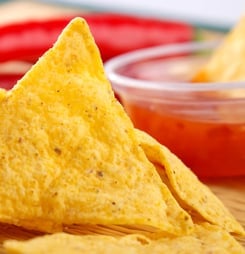
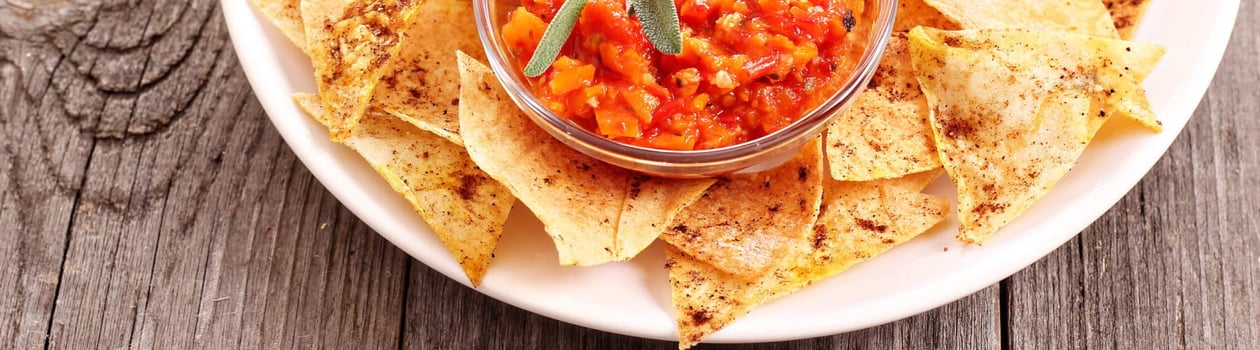
If love and marriage go together like a horse and carriage, what could possibly be said to describe just how well chips and dip go together?
And could you possibly think of a better, tastier day to celebrate than National Chip and Dip Day? You’d be hard-pressed, that’s for sure.
How to Celebrate National Chip and Dip Day
Enjoy Chip & Dip Day with Friends
Get into the spirit of finding any reason to have a party, and host an event for National Chip & Dip Day. This could be something at home with friends and family.
Encourage guests to bring their favorite type of dip: salsa, cheese, sour cream & onion, bean or something else entirely! It’s a delightful excuse to get everyone together!
Celebrate Chips & Dip at Work
Managers or business owners could create a fun workplace environment by treating their employees to a little celebration of this day at work.
Supply the break room with different types of potato or corn chips and set out a variety of dips so that employees will look forward to this time of fun and dipping!
Try Different Kinds of Dips with Chips
No matter whether you prefer thick cheesy dips, hot vegetable-packed salsas, cool cream-cheese-based dips, or creative baked dips that combine all sorts of different flavors, the truth is that chips would just not be the same without them.
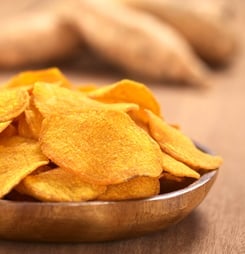
There are thousands of different kinds of chip dips eaten with potato, corn, and more recently veggie chips the world over, meaning a holiday to celebrate the tradition of dipping chips is more than overdue.
Looking to make things healthier? Try dipping, but using veggie sticks instead!
History of National Chip and Dip Day
Dips have been made for thousands of years. One of the earliest dips to become popular long before chips ever came into existence is the Greek tzatziki, a combination of yogurt, cucumbers, garlic, salt and olive oil.
Greeks still eat tzatziki with meats and bread, but since the invention of the potato chip in the mid-19th century, it and many variations of it have also become popular chip dips. Guacamole, yet another iconic chip dip, that was first made by the Aztecs.
The potato chip itself is believed to have been invented in 1853 by a cook named George Crum whose potato wedges were repeatedly sent back to the kitchen by an unsatisfied customer who claimed they were too thick.
Crum eventually became irritated and decided to serve the man potato slices so thin he could see through them fried to a crisp, topped with a rather excessive amount of salt.
Surprisingly, the customer absolutely loved them, and chips were born. At first, chips were made only in restaurants, but by the 20th they began to be mass-produced.
Bonus: Nacho Cheese Dip Recipe
One type of chip dip that many people buy instead of making on their own for fear that it will be too complicated to make properly is nacho cheese dip, so here is a simple recipe for a basic nacho cheese dip that you can spice up to suit your own personal taste:
Ingredients: (makes one cup)
- 1 tablespoon butter
- 1 tablespoon flour
- 1/2 cup milk
- 4 slices processed cheese
- 1/4 teaspoon salt
- mix and match: chopped pickled jalapenos, chili powder, cumin, garlic powder, finely chopped onions or tomatoes, to taste
The most important thing you absolutely have to get right if you want a smooth, creamy sauce without gooey lumps in it is to make a good roux. To do this, in a medium saucepan over medium-low heat, melt the butter slowly, and then stir in flour, combining well. It is important that the mixture doesn’t start browning.
Next, bring the heat up to medium and pour in the milk. Stir well again, until the mixture thickens a bit.
Mixing gently and constantly, add the cheese, piece by piece, and then the salt as well.
Continue to cook and stir until the cheese has melted and all ingredients are well blended. This should take about 15 minutes.
In the meantime, taste the cheese mixture and and decide what you’d like to add to make it your own. If you’re a fan of all things hot and spicy, add some chopped jalapeno peppers and a pinch or two of chili powder.
If you want to add more depth the the flavor of your cheese sauce, add a bit of garlic powder or cumin. You can also consider mixing some onions or tomatoes to the mix, or anything else you like.
Serve hot with corn chips. Enjoy!
Facts About National Chip and Dip Day
Are chips and dip always considered an unhealthy snack?
Chips and dip are often high in calories, sodium, and saturated fat, but they are not automatically “unhealthy” if eaten occasionally and in reasonable portions.
Health organizations encourage people to watch serving sizes, limit highly processed foods, and build overall eating patterns that emphasize vegetables, fruits, whole grains, lean proteins, and healthy fats.
Choosing baked or air-popped chips, pairing with vegetables instead of only chips, and using dips based on beans, yogurt, or vegetables can improve the nutrient profile of the snack.
What is the main nutritional difference between baked and fried chips?
Baked chips are usually lower in total fat and calories than traditional fried chips because they are cooked with less oil.
However, both types can still be high in sodium and refined starch, so health experts recommend checking the Nutrition Facts label and ingredient list rather than assuming that “baked” automatically means healthy. Portion control and overall diet quality remain more important than any single product claim.
Are vegetable chips and veggie sticks actually better for you than regular potato chips?
Vegetable chips can be more nutritious if they retain more fiber and are made from whole vegetables, but many commercial products are still fried and heavily salted, which makes their calories and sodium similar to regular chips.
Raw or lightly cooked vegetable sticks like carrots, celery, bell peppers, and cucumbers generally offer more vitamins, minerals, and fiber with far fewer calories, which is why health agencies often recommend pairing dips with fresh vegetables instead of only chips.
How can someone make a healthier dip without losing flavor?
Health professionals often suggest using yogurt, beans, or pureed vegetables as a base instead of cream cheese, sour cream, or full-fat mayonnaise.
Greek yogurt, mashed beans, or blended chickpeas can provide protein and fiber while keeping saturated fat lower. Flavor can come from herbs, spices, garlic, onions, citrus juice, and small amounts of cheese or healthy oils, which allows the dip to stay satisfying without relying on heavy cream or excess salt.
How long can dips like salsa, guacamole, or cheese dip safely sit out at a party?
Food safety guidelines recommend that perishable dips made with dairy, meat, seafood, fresh vegetables, or cooked beans should not sit at room temperature for more than two hours, or one hour if the temperature is above 90°F.
After that time, bacteria that can cause foodborne illness may grow to unsafe levels. Government food safety agencies advise keeping cold dips at or below 40°F using ice or refrigeration and holding hot dips at or above 140°F with slow cookers, warming trays, or chafing dishes.
What is the safest way to serve communal dips so people are not “double dipping”?
Food safety experts suggest setting out individual serving spoons, small plates, or cups so guests can spoon dip onto their own dish instead of repeatedly dipping from a shared bowl.
Offering portioned containers or several smaller bowls of the same dip can also reduce the number of people sharing one container.
While “double dipping” is mainly a hygiene concern rather than a frequent source of documented illness, minimizing saliva contact with shared foods is considered good practice at gatherings.
Do chips and dips play a role in cultural food traditions beyond casual snacking?
Many global food traditions include a chip-and-dip style of eating, where a crunchy or starchy item is paired with a flavorful sauce or spread.
Examples include tortilla chips with salsa and guacamole in Mexican and Tex-Mex cuisines, pita with hummus and tzatziki in Middle Eastern and Mediterranean cuisines, papadums with chutneys in parts of South Asia, and bread or crisps with tapenades and spreads in European cuisines.
Anthropologists note that these shared platters often serve a social function by encouraging communal eating and conversation.