
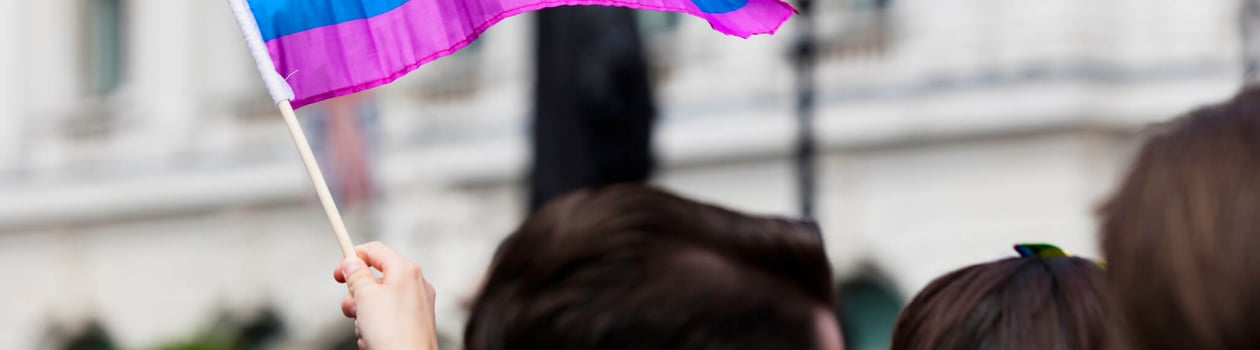
Christopher Street Day (CSD) has been celebrated for many years throughout Europe as an answer to Pride Month or Gay Pride Parades. This is particularly the case for CSD in Germany and Switzerland. Now, almost every large city in Germany celebrates Christopher Street Day in addition to a number of other pride events!
How to Celebrate Christopher Street Day
Those who want to participate in Christopher Street Day might be interested in joining in on some of the fun events that are already taking place, or hosting their own!
Head to Europe for Christopher Street Day
Those who are interested in getting involved with Christopher Street Day personally might want to take this opportunity to head over to Germany or Switzerland where this event is honored and celebrated. With more than 50 different cities that host a gay pride parade, carnival, or other event in celebration of this day, Germany might win as an amazing place to be during this time.
Berlin, as one of the leading cities in Europe when it comes to gay events, might be a fun city to visit and participate in festivals, parages and other activities. Cologne, Hamburg, Frankfurt and many other cities are also notable places to visit when looking to celebrate Christopher Street Day.
Host a Party
Those who are in a place where Christopher Street Day is already celebrated might want to head out to a local parade or festival – where many people like to get dressed up in flamboyant costumes and play loud music! But those who might feel a bit overwhelmed by the crowds or can’t find an existing event might want to celebrate in a quieter manner. Perhaps celebrating more intimately means hosting a little gathering at home by inviting a few friends over for drinks, food and fun.
Show Kindness
One of the triggers that caused the Stonewall Riots originally was the fact that members of the gay and trans community have been brutally treated by police and other government leaders for many years. While the situation comes with a huge number of complexities, many people realize that showing more kindness, tolerance and respect for others goes a long way toward developing more unity and understanding in communities.
Anyone, no matter where they live, can take some time in honor of Christopher Street Day to show some kindness to anyone and everyone. Make an effort to perform random acts of kindness on this day, show tolerance to someone who thinks differently than you do, or make a donation to a charity of your choice.
History of Christopher Street Day
Christopher Street Day (CSD) can be traced back to 1969 when the Stonewall Uprising took place in New York City. On the morning of June 28, a group of homosexuals and other members of sexual minority groups began the first widely-publicized uprising against the brutality inflicted by police during raids on gay bars. These riots took place outside the Stonewall Inn, which was a gay bar located on Christopher Street in Greenwich Village.
These Stonewall Riots were the beginning of the gay rights movement in the United States, and this day has also become an international marker for other activists around the world in the LGBTQ+ movement. The first Christopher Street Day events in Europe took place in the late 1970s, including Zurich, Switzerland in 1978 and then in Berlin, Germany, in 1979. From there, the events began to grow and spread throughout the country and there are now dozens of events that can be attended.
The purpose behind many of the Christopher Street Day events is to act as a dynamic expression for the rights of LGBTQ+ people to celebrate the ways that they identify, as well as demanding progress in society. The events work hard to create a welcoming and inclusive environment, encouraging everyone to act as and celebrate their authentic selves. The hope is to also provide support and a voice for those with various identities in the LGBTQ+ community as their visibility is increased.
While the actual anniversary of the Stonewall Uprising began on June 28, many cities in Europe that celebrate Christopher Street Day often move the date to correspond with a later weekend, due to city restrictions. This means that the celebratory events and festivals may actually take place sometime in July. So those who want to attend should check on the actual dates as it may change each year. But often the event is more than just a day and sometimes goes on for a whole week or even longer!
Christopher Street Day Facts
Christopher Street’s Role in the Stonewall Uprising
Christopher Street in New York’s Greenwich Village was not only home to the Stonewall Inn but also the central corridor where crowds gathered, chanted, and confronted police during several nights of unrest in late June 1969, turning a relatively ordinary street into a focal point of queer resistance that would be referenced by later movements abroad.
From Routine Raids to Days of Unrest
In the 1960s, police in New York City regularly raided gay bars using liquor and “morals” regulations, but the June 1969 Stonewall raid was unusual because patrons, nearby residents, and passersby resisted, leading to multiple nights of demonstrations that Library of Congress historians describe as a turning point from sporadic protests to a more sustained and visible LGBTQ+ rights movement.
Paragraph 175 and Criminalization in Germany
Germany’s Paragraph 175, introduced in the 19th century and harshly enforced under the Nazis and in postwar West Germany, criminalized male homosexual acts and led to the conviction of tens of thousands of men; the provision was not fully removed from the penal code until 1994, and its long shadow continues to shape German discussions about legal rehabilitation and memorialization of LGBTQ+ people.
Referencing Persecution in German LGBTQ+ Activism
German civic‑education materials note that contemporary LGBTQ+ advocacy in Germany frequently invokes both Nazi‑era and postwar prosecutions under Paragraph 175, linking today’s calls for equality to historical demands for legal rehabilitation, compensation, and remembrance for those imprisoned or otherwise persecuted for same‑sex relationships.
Growth of Pride Demonstrations in German Cities
When West Berlin held one of its first major LGBTQ+ rights demonstrations in 1979, local reports counted only about 450 participants, yet by the early 21st century city and tourism sources described Berlin’s annual pride march as one of the largest queer events in Europe, drawing hundreds of thousands of demonstrators and spectators and turning central boulevards into highly visible queer public space.
Pride Parades as “Foundational Rituals” for Movements
A comparative study of pride parades in six European countries characterizes these marches as “foundational rituals” for LGBTQ+ movements because they combine protest with celebration, bring disparate subgroups into a shared public event, and symbolically claim central urban streets through floats, banners, music, and performances that contest heteronormative assumptions about who belongs in those spaces.
Psychological Effects of Attending Pride Events
Peer‑reviewed research on pride parades in Europe has found that LGBTQ+ participants who attend these events often report lower internalized stigma and greater feelings of empowerment and social connectedness, with some respondents describing the experience of walking safely and visibly through city streets in a supportive crowd as a catalyst for later coming‑out, activism, or conversations that challenge prejudice in their everyday environments.



You may also like
Pride Month
Each year, the LGBTQ community and allies honor the Stonewall Riots of 1968 and the progress made—and yet to be made—for LGBTQ people everywhere.

Queer Youth of Faith Day
Embrace the empowering journey of LGBTQ+ young individuals finding strength within their faith community's accepting embrace.
- Canada
- United Kingdom
- United States

LGBTQ+ History Month
LGBTQ+ History Month lights up October with a burst of color, celebration, and reflection. This special month shines a spotlight on the rich history and achievements of the lesbian, gay, bisexual, transgender, and queer community. It's a time to honor the trailblazers who have fought for equality and to remember...
- Australia
- Canada
- United Kingdom
- and 1 more

International Day of Pink
This day uses the color pink to raise awareness and fight against bullying, discrimination, homophobia, transphobia, and transmisogyny across the world.
- Australia
- Canada
- United Kingdom
- and 1 more
National days and holidays on June 28

Log Cabin Day
Warm and inviting, an image away from the buzz of modern life: take a tour of log cabins in your area, and let yourself daydream of a simpler life.
- Australia
- Canada
- United Kingdom
- and 1 more

National Ceviche Day
If you’ve never tried the citrusy seafood known as ceviche, now’s the time! Just the freshest raw fish, some citrus, and a garnish of cilantro.
- Ecuador
- Mexico
- Peru
- and 1 more

National Logistics Day
Spend some time learning about the sector of business that keeps everything moving and organized: logistics. See how you can help, and apply it to your own life.
- United States

International Body Piercing Day
Get a little daring and finally get that body piercing you’ve always dreamed about. One quick poke, and you’re on your way to the hippest fashion statement.
- Australia
- Brazil
- Germany
- and 2 more
Seize Every Day
Join free for personalised recommendations, email reminders and exclusive guides. Never miss a day.