Dental Drill Appreciation Day
Dental Drill Appreciation Day celebrates a tool that often sparks mixed feelings.
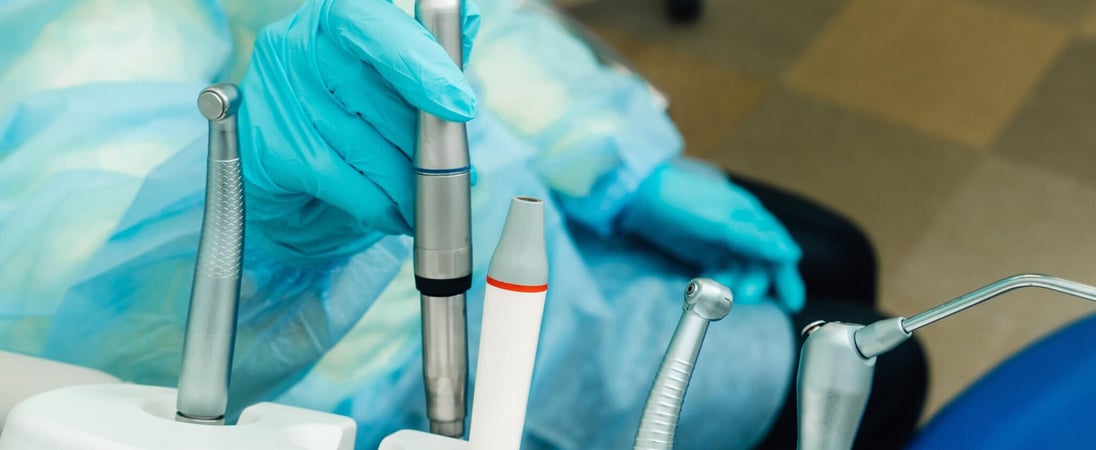
While the sound may cause unease, the dental drill plays a key role in modern dentistry. It helps dentists remove decay, shape teeth, and prepare them for fillings or crowns.
Without it, many treatments would be longer and more uncomfortable. This day invites us to recognize the drill’s contribution to healthier smiles and improved dental care.
Beyond its technical role, the dental drill symbolizes progress in oral health. Advancements have made drills faster, quieter, and more precise, reducing discomfort for patients.
By highlighting this tool, the day encourages conversations about dental health and the importance of regular check-ups.
It’s a reminder that even the most daunting instruments can lead to positive outcomes when used with care and expertise.
Dental Drill Appreciation Day Timeline
1790
Invention of the First Foot-Powered Dental Drill
John Greenwood, who served as a dentist to George Washington, invented the first foot-operated dental drill.
This innovation allowed for more efficient removal of tooth decay and laid the groundwork for future advancements in dental technology.
1864
Development of the Clockwork Dental Drill
George Fellows Harrington introduced the “Erado,” a clockwork dental drill that improved the speed of dental procedures compared to manual methods, despite its complexity and noise.
1875
Patent for the First Electric Dental Drill
George F. Green revolutionized dentistry by patenting the first electric dental drill, significantly increasing the efficiency of dental procedures by allowing much faster rotations compared to manually powered drills.
1949
Introduction of the Air-Turbine Handpiece
John Patrick Walsh developed the contra-angle air-turbine handpiece, representing a major advancement in dental drill technology by allowing high-speed rotations without significant manual effort.
1957
Invention of the Airotor
John Borden’s invention of the air-driven high-speed “Airotor” was a significant leap forward in dental technology, permitting drilling at unprecedented speeds and transforming everyday dental practices.
How to Celebrate Dental Drill Appreciation Day
Dental Drill Appreciation Day offers a unique opportunity to recognize the vital role of dental drills in modern dentistry.
Here are some engaging ways to observe this day:
Share Your Smile Story
Post a photo of your brightest smile on social media, tagging your dental clinic. Express gratitude for the tools and professionals that keep your teeth healthy.
This simple act can inspire others to appreciate their dental health
Schedule a Dental Check-Up
If it’s been a while since your last visit, now is a great time to book an appointment. Regular check-ups help maintain oral health and prevent issues before they start.
Upgrade Your Oral Care Routine
Consider investing in a new toothbrush or trying a fluoride mouthwash. Small changes can make a big difference in your daily dental hygiene.
Educate Yourself and Others
Take a moment to learn about the advancements in dental technology, especially the evolution of dental drills. Share interesting facts with friends and family to spread awareness.
Thank Your Dental Professionals
A simple thank-you note or a kind word during your next visit can go a long way. Dental professionals work hard to ensure our smiles stay bright and healthy.
History of Dental Drill Appreciation Day
Dental Drill Appreciation Day recognizes an invention that changed dental care forever. On January 26, 1875, American dentist George F. Green received a patent for the first electric dental drill.
This device replaced slower, hand-powered tools and made treatments much more efficient. Dentists could now work faster and more accurately. That meant less time in the chair and less discomfort for patients.
While the official start of the celebration isn’t widely recorded, the date links back to Green’s patent. The day likely began as a way to highlight how far dentistry has come since those early inventions.
Though no single person or group has claimed credit for launching the observance, dental professionals and health advocates have supported its message.
The day continues to grow in awareness through dental organizations, clinics, and educational posts online.
It may seem odd to appreciate a tool that many find noisy or unpleasant, but the drill has helped save countless teeth. Innovations over the years have made it faster, quieter, and more precise.
Dental Drill Appreciation Day reminds us that even tools we fear can bring lasting benefits. Without this invention, modern dentistry would look very different—and a lot less comfortable.
Facts About Dental Drill Appreciation Day
John Greenwood’s Foot-Powered Invention
John Greenwood, known as George Washington’s dentist, pioneered dental technology by inventing the first foot-treadle dental drill in 1790. This innovation marked an essential step away from manual hand-powered dental procedures, paving the way for mechanized dentistry.
The Leap to Electric: Green’s 1875 Patent
In 1875, George F. Green’s introduction of the electric dental drill revolutionized dentistry. His invention enabled faster and more precise dental procedures, setting new standards in dental treatment efficiency.
Transformative Power of High-Speed Drills
The 1950s saw a remarkable leap in dental technology with the introduction of air-driven dental drills capable of reaching over 400,000 revolutions per minute. This quantum leap significantly reduced procedure times and patient discomfort.
Innovations in Patient Comfort: Water-Cooling Systems
Modern dental drills are equipped with water-cooling systems, an innovation that reduces operational heat, enhances patient comfort, and exemplifies continuous advancements in dental equipment technology.
Dental Drill Appreciation Day FAQs
Why is the dental drill an essential tool in modern dentistry?
The dental drill is crucial for modern dentistry as it enables the efficient removal of tooth decay, shaping of teeth, and preparation for fillings or crowns.
This reduces the duration of dental procedures and improves the precision and outcome of treatments.
High-speed drills, like air and electric versions, offer enhanced accuracy and reduced discomfort, significantly transforming restorative dental practices.
What historical advancements have been made in dental drill technology?
Dental drills have evolved significantly since ancient times, where early versions appeared in the Indus Valley around 7000 BC.
In the 19th century, innovations like the foot-powered drill by John Greenwood in the 1790s and the electric drill patented by George F. Green in 1875 laid the foundations for modern dental care.
The evolution continued with the advent of high-speed air-driven drills in the 1950s.
How do cultural perceptions around dental drills differ globally?
Cultural perceptions of dental drills vary widely; in some cultures, there’s significant anxiety associated with their use, primarily due to sensory experiences like sound.
However, as dental technology advances globally, these perceptions are shifting.
Modern societies increasingly recognize them as symbols of advanced care and integral to maintaining oral health.
What are the alternatives to using a dental drill?
While dental drills are often irreplaceable for certain procedures, alternatives like laser dentistry and chemomechanical methods have emerged.
These alternatives aim to reduce discomfort and improve patient experiences, although they may not be suitable for all types of dental work.
How have dental drills reduced discomfort in dental procedures?
Advancements in dental drills, particularly the transition to high-speed and quieter models, have significantly reduced patient discomfort during procedures.
This progress allows dentists to perform treatments more quickly and efficiently, decreasing the time patients spend undergoing treatment.
As new technologies continue to develop, they further enhance patient comfort in dental practices.
Also on ...
View all holidays
National Bubble Wrap Day
It's that satisfying pop, the protection for fragile stuff, the stress-relief tool, all rolled into one — a true unsung hero of packaging!

National Green Juice Day
Sipping a refreshing blend of leafy greens and zesty fruits is like getting a vitamin-packed energy boost — the perfect way to start the day!

National Spouses Day
Show appreciation for your life partner by reminiscing about your favorite memories, planning a getaway or trying a new activity together.

Dundee Day
Scenic landscapes, rich history, and vibrant culture characterize the Scottish city with bridges spanning the silvery Tay.
We think you may also like...

Cycle to Work Day
Residents of the UK, hop on your bikes and join many other commuters in cycling to work. Global citizens can join in too, or find a cycling event.