
Dog Theft Awareness Day is a special day that illuminates the problem of dog theft. Celebrated annually, it aims to educate dog owners on protecting their furry friends from theft. This day is significant because it raises awareness of a serious issue affecting many pet owners, encourages responsible pet ownership, and promotes community support for keeping pets safe.
Celebrating Dog Theft Awareness Day includes raising awareness about the high rate of dog theft, educating various pet owners on prevention methods, and advocating for stronger penalties to deter such crimes. Most of the stolen dogs end up in breeding mills, as bait dogs for illegal fighting, or are sold on the streets.
Dog Theft Awareness Day Timeline
Britain’s First National Dog Licensing Law
The United Kingdom introduced a nationwide dog tax and licensing system, aiming to control stray animals and discourage theft by tying dogs to identifiable owners.
Early Dog Licensing Ordinance in Washington, D.C.
Washington, D.C., adopts one of the earliest American dog licensing ordinances, requiring owners to register and tag their dogs to reduce nuisances and help prove legal ownership.
U.S. Animal Welfare Act Targets Dealers and Stolen Pets
The United States passes the Animal Welfare Act, prompted in part by public outrage over stolen pets being sold to laboratories, and begins regulating animal dealers and research facilities.
“Pepper,” the Dalmatian and Stronger Pet Theft Protections
Publicity over Pepper, a stolen Dalmatian who died after being sold to a research lab, leads Congress to strengthen the Animal Welfare Act and tighten rules on animal dealers.
International Standard for Pet Microchips
The adoption of ISO standards 11784 and 11785 creates a unified system for companion animal microchips, making it easier to identify lost or stolen dogs across different countries and scanners.
Mandatory Dog Microchipping in England
Microchipping becomes compulsory for dogs in England, giving each animal a permanent ID that helps reunite stolen or missing pets with their owners and supports enforcement against thieves.
UK Pet Abduction Act Recognizes Emotional Value of Dogs
The Pet Abduction Act 2024 becomes law in the United Kingdom, creating a specific offense of pet abduction and acknowledging that dogs and other pets are more than mere property in theft cases.
How to Celebrate Dog Theft Awareness Day
To participate in Dog Theft Awareness Day, people need to educate themselves and others about dog theft.
They can organize community events like dog walks or fundraisers, volunteer at local animal shelters, host microchipping events, and spread awareness on social media.
These activities raise awareness and help build a supportive community to work together to prevent dog theft.
Host a “Bark and Learn” Party
Invite your two-legged and four-legged friends for a fun and educational gathering. While the dogs play and show off their latest tricks, the humans can share tips and stories about keeping their furry companions safe.
Think of it as a playdate with a purpose, where everyone leaves a bit wiser and happier.
Launch a Social Media Campaign
Get creative online! Use your digital prowess to design eye-catching posts highlighting the importance of dog safety.
Create a catchy hashtag, encourage friends to share tips on protecting their pets, and make the message viral. Who knows? Your post could be the one that saves a tail-wagging friend.
Microchip Marathon
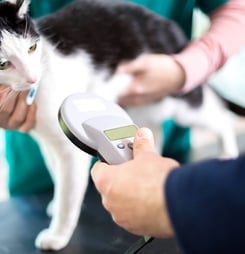
Team up with a local vet or animal shelter to offer discounted or free microchipping for pets in your community.
Promote it as the event of the season – “Get Chipped, Stay Hip!” – because nothing says responsible pet ownership like a microchip fiesta. Bonus points if you manage to include some snazzy bandanas for all the microchipped mavens.
DIY Doggy Deterrent Workshop
Organize a workshop where pet owners can learn to make their own dog theft deterrents. From crafting the perfect “Beware of Dog” sign to learning the art of setting up pet-safe security cameras, let the creative juices flow.
It’s like arts and crafts but with a noble purpose – keeping those precious pups safe and sound.
Celebrating Dog Theft Awareness Day doesn’t have to be a solemn affair. With some creativity, it can be a day filled with joy, learning, and lots of wagging tails. After all, it’s about protecting our furry family members, and what’s more heartwarming than that?
Dog Theft Awareness Day FAQs
History of Dog Theft Awareness Day
Dog Theft Awareness Day was created in 2016 by the Stolen and Missing Pets Alliance (SAMPA). It first came to life with an event in Parliament in 2017. The day’s primary goal is to make everyone aware of the dangers of dog theft and teach pet owners how to keep their dogs safe.
This day is significant because it brings the community together to address a very real problem. Two million dogs are reported stolen each year in the United States alone.
Sadly, over 70% of these dogs never get to their owners. The day emphasizes the importance of actions like microchipping and keeping a close eye on pets.
Activities to observe Dog Theft Awareness Day focus on educating yourself and others about the issue. They involve organizing community events to raise awareness, volunteering at animal shelters, hosting microchipping events, and using social media to spread the word.
These efforts not only raise awareness but also promote responsible pet ownership and community support for keeping pets safe.
Dog Theft Awareness Day Facts
Dog theft is a growing concern for pet owners around the world, driven by demand for certain breeds and the potential for illegal resale or breeding.
Dog Theft Awareness Day highlights the risks, the trends behind pet theft, and the practical steps that can help protect dogs and improve the chances of a safe reunion if they go missing.
Microchipping Dramatically Increases Reunions
Studies from multiple countries show that dogs with microchips are reunited with their owners far more often than those without.
One large study of U.S. shelters found that microchipped dogs were returned to their owners more than twice as often as unchipped dogs, largely because staff could quickly trace the registered owner through national databases, even when collars or tags were missing.
Dog Theft Spiked During the COVID‑19 Pandemic
During the COVID‑19 pandemic, demand for companion dogs surged, and several European police forces and animal organizations reported marked increases in dog theft.
In England and Wales, data gathered through Freedom of Information requests showed reported dog thefts rising alongside sharp price increases for popular breeds, as thieves resold stolen dogs or used them for unlicensed breeding to capitalize on the booming market.
Designer and Brachycephalic Breeds Are Prime Targets
Criminals often focus on small, fashionable, or brachycephalic breeds because they are easy to handle and can fetch high prices.
Organizations that track pet crime in the United Kingdom have repeatedly identified French Bulldogs, Pugs, Chihuahuas, and similar breeds as among the most commonly stolen, reflecting both their popularity and the profit that can be made by reselling them or using them in commercial breeding.
Stolen Dogs Often Enter Illegal Markets
Dog theft is rarely random mischief and is more often tied to organized or semi‑organized criminal activity.
Law enforcement agencies and animal welfare organizations report that stolen dogs may be funneled into unregulated breeding operations, sold through informal online marketplaces, used as guard dogs by criminal groups, or, more rarely, exploited in illegal dog fighting.
These routes make tracking and recovering stolen animals particularly difficult.
Laws Are Evolving to Treat Pet Theft as More Than Property Crime
Historically, many legal systems treated dogs as property, so theft was punished the same way as stealing an object.
In recent years, the United Kingdom and several U.S. states have begun revising laws to recognize the emotional value of companion animals, introducing specific “pet abduction” or enhanced theft offenses that allow courts to impose tougher penalties and consider the impact on families as well as financial loss.
Mandatory Identification Has Become a Core Policy Tool
Several countries now require permanent identification for dogs as a way to deter theft and aid recovery.
In England, Scotland, and Wales, for example, microchipping dogs and keeping contact details up to date in an approved database is compulsory, and local authorities can issue fines for non‑compliance.
Similar requirements exist in parts of Australia and continental Europe, creating a legal expectation that dogs can be traced back to a responsible owner.
Online Platforms Have Changed How Stolen Dogs Are Sold
The rise of online classifieds and social media marketplace listings has reshaped the black market for stolen dogs.
Animal welfare groups and police have documented cases where thieves quickly advertise stolen dogs through vague or misleading ads, sometimes days after the theft.
This shift has prompted calls for stricter verification and traceability rules on pet advertisements to make it harder for criminals to profit from stolen animals.