Dream Your Sweet Day
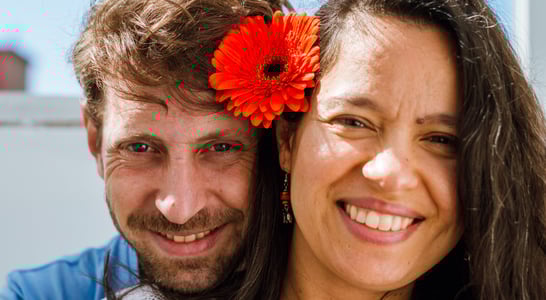
Dream Your Sweet Day is a playful, romantic observance built around a simple idea: the anticipation can be just as meaningful as the big moment. Positioned as a warm-up to Valentine’s Day, it permits people to linger in the daydreamy part of romance, where plans are still forming, and everything feels possible.
On this special day, people focus on their sweethearts, planning and thinking about the upcoming Valentine’s Day celebration. It’s a day filled with anticipation, allowing couples to bond over their shared excitement and dreams about their time together.
Instead of rushing straight to grand gestures, Dream Your Sweet Day encourages a softer pace: remembering what someone likes, imagining how they would smile, and turning “we should do something” into “here’s what would make us both happy.”
This day is perfect for preparing gifts, planning romantic activities, and setting the mood for a memorable Valentine’s Day. Preparation can be wonderfully practical, like ordering a favorite snack in time, checking a reservation, or making sure a card is actually written and not just purchased. It can also be emotional preparation: choosing a calmer tone, clearing space in a busy schedule, or deciding to show up with more attention than usual.
The celebration is all about creating positive vibes and strengthening relationships. Couples often use this day to express their love and affection, deepening their connection.
That can mean big feelings expressed boldly, but it can just as easily mean small, steady signals of care, such as an encouraging text, a sincere compliment, or taking an everyday chore off a partner’s plate.
Dreaming together works because it highlights what the relationship needs: more fun, more rest, more novelty, more tenderness, or simply more time.
For singles, it’s a time to dream about future romances and the joy of finding that special someone. Dreaming does not have to be wishful thinking without action. It can be clarifying.
This observance offers a gentle prompt to imagine the kind of relationship that feels healthy and kind, the sort of communication that feels safe, and the ways a future partner might fit into an already meaningful life.
Some people use the day to celebrate romance in a broader sense, including friendship, self-respect, and the ability to envision good things ahead.
The essence of Dream Your Sweet Day lies in its ability to foster love, happiness, and positive anticipation, making it a delightful prelude to Valentine’s Day. “Dream” is the keyword.
It suggests creativity, optimism, and intention. Even when plans are simple, the mindset can be expansive: a walk becomes a mini-adventure, a home-cooked dinner becomes an event, and a heartfelt note becomes a keepsake.
Why do people celebrate Dream Your Sweet Day? It serves as a gentle reminder to cherish and appreciate loved ones. Dreaming and planning build excitement and ensure that Valentine’s Day is even more special.
This day encourages everyone to think positively about their relationships, reinforcing the bond they share. It also helps avoid the classic last-minute scramble that can turn romance into stress.
When a person takes time to imagine what would genuinely delight their partner, the result tends to feel more personal, less performative, and more connected to real life.
Whether you’re in a relationship or single, Dream Your Sweet Day offers a chance to reflect on love and the joy it brings.
For couples, it can be a reset button that nudges them toward gratitude and playfulness. For singles, it can be a reminder that hope and curiosity are part of romance too, and that envisioning a sweet future is not the same thing as waiting around for it.
How to Celebrate Dream Your Sweet Day
Write Sweet Notes
Grab some colorful paper and jot down your sweetest thoughts. Express your feelings with simple yet heartfelt messages. Notes work best when they are specific. Instead of a generic “You’re the best,” try something concrete: “I love how you always make room for my ideas,” or “I’ve been thinking about that time we laughed so hard we couldn’t breathe.”
Stick these notes in surprising places. Tuck one in a lunchbox or hide another in a coat pocket. If the relationship is long-distance, the “surprising place” can be digital: a scheduled message, a shared photo with a caption, or a short voice note that captures warmth better than a typed sentence. The goal is not poetry. It is presence, delivered in small, portable form.
Dream Together
Spend time with your partner imagining your perfect Valentine’s Day. Talk about dream dates, favorite meals, and ideal surprises. Dreaming together gets even better when it includes boundaries and preferences, because romance is not one-size-fits-all.
Some people love crowds and excitement, while others want quiet and cozy. Asking questions like “Do you want something low-key or more like an outing?” or “Would you rather receive a gift or an experience?” can prevent mismatched expectations.
This not only sparks creativity but also brings you closer as a couple. Share laughter and ideas as you plan together. Couples can make it playful: each person proposes three options in different categories, such as a food idea, an activity idea, and a small surprise.
Then they build a plan from the overlapping favorites. Dreaming becomes collaboration instead of pressure.
Create a Vision Board
Gather magazines, scissors, and glue. Create a vision board filled with images and words representing your ideal Valentine’s Day. A vision board can be literal, like pictures of a cozy meal, a scenic view, and a favorite dessert.
It can also be about feelings: “relaxed,” “playful,” “adventurous,” “seen,” “appreciated.” Those words can guide choices better than any specific photo.
This visual activity turns dreams into something tangible and fun. Plus, it’s a great way to bond and get inspired. People who are not into crafts can do a low-effort version by saving images to a shared album or making a simple collage on a phone.
Singles can use the board to focus on the kind of relationship dynamics they want, such as mutual respect, humor, and healthy communication, rather than only focusing on romantic aesthetics.
Plan a Surprise
Think of a small surprise for your partner. It could be breakfast in bed or a favorite treat. T
he key is to keep it simple and thoughtful. “Thoughtful” usually means it connects to something the partner actually enjoys: a certain pastry, a playlist that matches their taste, a book by an author they love, or a small upgrade to their day, like a packed snack for later.
Surprises add an element of excitement and show how much you care. They also work best when they are considerate about time and energy. A surprise does not have to be a complicated scavenger hunt if the partner is already exhausted.
Dream Your Sweet Day is a good moment to choose the kind of surprise that feels like relief, not a performance.
Write a Love Letter
Take a moment to write a heartfelt love letter. Reflect on your relationship and express your feelings. A strong love letter usually has three parts: appreciation (what is cherished), memory (a moment that mattered), and intention (what the writer hopes to continue building together).
Even a short letter can feel powerful when it includes real details, such as a specific quality admired or a tiny moment that stayed in the mind.
This timeless gesture shows deep appreciation and love. Seal it with a kiss and exchange letters before bed. For those who find love letters intimidating, a “love list” is a friendly alternative: a list of reasons the partner matters, or a list of moments the writer is grateful for.
Singles can write a letter too, addressed to a future partner or to themselves, describing the kind of love they plan to welcome and the standards they intend to keep.
Cook Together
Whip up a delicious meal together. Choose a recipe that both of you enjoy and spend time in the kitchen. Cooking as a team can be a fun and romantic experience. It also has built-in opportunities for connection: choosing ingredients, tasting as you go, and sharing tasks.
A simple menu can still feel special if it has a “little extra,” such as a favorite sauce, a fun garnish, or a dessert that feels celebratory.
Plus, you’ll get to enjoy a tasty meal together. People who do not cook much can make it even easier: assemble a “snack board” with fruits, cheeses, crackers, and sweets, or try a themed meal where each person chooses one component. The point is shared effort and shared enjoyment, not culinary perfection.
Star Gazing
End the day with some stargazing. Find a cozy spot and look up at the night sky. Stargazing naturally invites slower conversation, which fits the dreamy theme. It can be as simple as stepping outside for a few minutes, dimming indoor lights, and letting the mind settle.
If weather or location makes outdoor stargazing difficult, people can recreate the mood indoors with candles, soft lighting, or a star projector, focusing more on the conversation than the sky.
Talk about your dreams and wishes. This peaceful activity is a perfect way to end Dream Your Sweet Day. Couples can share hopes that go beyond romance, too, like travel dreams, creative goals, or the kind of home life they want to nurture.
Singles can use stargazing as a quiet reset, pairing the activity with journaling or a calming playlist.
Capture the Day
Take photos throughout the day to capture your moments. Create a mini-album or a digital slideshow. The best “capture” is often not the posed photo, but the small details: the ingredients on the counter, the handwritten notes, the cozy setup, the silly outtake that makes both people laugh.
This way, you can look back and cherish these memories together. It’s a fun way to remember the special time spent planning and dreaming.
People can keep it private or share a single sweet image with friends if that feels comfortable. The intention is to preserve the feeling, not to create a perfect highlight reel.
Dream Your Sweet Day Timeline
1861
Valentine’s Day Cards Enter Mass Production in the United States
Esther A. Howland began selling elaborate, commercially produced Valentine’s Day cards in Worcester, Massachusetts, helping popularize exchanging romantic messages and keepsakes.
1868
Heart-Shaped Chocolate Boxes Popularized
British chocolatier Richard Cadbury introduces decorated, heart-shaped boxes filled with chocolates, helping establish boxed sweets as a favored romantic gift.
1913
Hallmark Markets Its First Valentine’s Day Cards
The Hall Brothers company (later Hallmark) begins producing and marketing Valentine’s Day cards, reinforcing the custom of planning sentimental messages and sweet surprises.
1921
Sweetest Day Promotes Candy Giving in Cleveland
Cleveland confectioners organize an event distributing thousands of boxes of candy to newsboys, orphans, and others, tying sweet treats to expressions of care and affection.[1]
Mid-20th century
Boxed Chocolates and Flowers Become Classic Romantic Gifts
By the mid-1900s, boxed chocolates and floral bouquets were widely marketed and recognized in the United States and Europe as standard tokens of romantic love, especially around Valentine’s Day.[2]
History of Dream Your Sweet Day
Dream Your Sweet Day, celebrated the day before Valentine’s Day, started gaining popularity in recent years. The idea behind this day is to spend time thinking about and planning for a memorable Valentine’s Day with your loved one.
It fits naturally into the modern habit of marking the calendar with themed observances that spotlight a specific emotion or intention. In this case, the spotlight lands on anticipation, one of romance’s most underrated ingredients.
Couples use this day to dream about their perfect Valentine’s Day and prepare for it, enhancing the excitement and anticipation. The tradition began as couples started to feel the anticipation building up the night before Valentine’s Day.
They would go to bed with thoughts of their loved ones, dreaming of the special moments they would share. This practice of dreaming and planning has made Valentine’s Day even more special, turning the day before into an event of its own.
Even the name suggests a tender, half-awake headspace where people replay sweet memories and imagine what comes next.
Dream Your Sweet Day encourages people to visualize and plan their ideal romantic day. Visualization is not magic, but it is a useful tool.
When people picture a kind interaction, a relaxed mood, or a thoughtful surprise, they are more likely to take the practical steps that make it happen, such as setting aside time, communicating preferences, or preparing in advance. In that sense, Dream Your Sweet Day is less about extravagant romance and more about mindful romance.
It allows couples to bond over shared dreams and excitement, while singles can use the day to dream about future romances. This day is all about creating positive feelings and setting the stage for a wonderful Valentine’s Day.
It also offers a reminder that romance does not have to be confined to one high-pressure moment. A relationship often thrives in the in-between spaces: the planning, the noticing, the gentle build-up, and the quiet reassurance that someone is thinking about someone else with care.
Facts About Dream Your Sweet Day
Dream Your Sweet Day is all about the quiet magic of imagining meaningful moments with someone you care about. It highlights how anticipation, shared plans, and future-focused daydreaming can deepen emotional connection, boost mood, and make relationships feel more intentional. The facts below explore the science, psychology, and cultural roots behind why dreaming together can be just as powerful as the moments themselves.
-
The Science of Romantic Anticipation
Psychological research suggests that anticipating a positive event with a partner can boost momentary happiness and relationship satisfaction even more than the event itself. In a study of vacations, people reported their highest spikes in happiness in the weeks leading up to the trip rather than during or after it, and similar “anticipatory savoring” has been observed around dates and celebrations, where mentally rehearsing shared experiences strengthens feelings of connection.
-
Planning Together Can Strengthen Bonds
Couples who engage in joint planning—setting shared goals, talking through upcoming events, and coordinating how they will spend time together—tend to report higher relationship quality. Research on “dyadic coping” and collaborative planning finds that discussing the future together helps partners feel more supported and aligned, which is linked to greater intimacy and lower conflict over time.
-
Future-Oriented Daydreaming Shapes Emotions
Neuroscience studies show that when people daydream about the future, especially about personally meaningful scenarios, they activate brain networks involved in reward, memory, and social cognition. This “mental time travel” can increase positive mood and motivation, and when the content involves close others—like a romantic partner—it tends to be more vivid and emotionally charged than neutral daydreams.
-
Valentine’s Day Has Ancient and Medieval Roots
While today’s Valentine’s Day is heavily associated with cards and gifts, historians trace its roots to late Roman and medieval Christian traditions. By the 14th century, English writer Geoffrey Chaucer was already linking Saint Valentine’s feast day with romantic love, and by the 18th century in Britain, it had become customary to exchange handwritten notes and small tokens of affection, long before commercial greeting cards emerged.
-
Romantic Love Is Not a Universal Historical Norm
Anthropological research shows that the modern Western ideal of marrying for romantic love is relatively recent. In many societies throughout history, marriages were arranged for family, economic, or political reasons, and overt romantic courtship rituals were limited. Cross-cultural surveys suggest that while feelings of romantic love are widespread, building entire life partnerships around them only became common in Europe and North America in the last few centuries and has spread globally with urbanization and media.
-
Love Letters as a Longstanding Intimate Practice
Exchanging written declarations of love has a long documented history, from ancient Greek and Roman letters to elaborate epistolary courtships in early modern Europe. Historians of communication note that love letters allowed couples separated by distance or social constraints to maintain emotional intimacy, and that many followed recognizable patterns—mixing everyday details with idealized, aspirational language about the relationship’s future.
-
Savoring Positive Experiences Improves Well-Being
Studies on “savoring” show that deliberately lingering on positive experiences—by mentally replaying them, talking about them, or collecting photos and mementos—can increase life satisfaction and buffer against stress. Researchers have found that people who intentionally savor time with loved ones report higher positive emotion, and that creating memory aids like photo albums or digital slideshows helps prolong the emotional benefits of special days together.
Dream Your Sweet Day FAQs
Do couples who plan their time together tend to be more satisfied with their relationship?
Future-oriented planning is linked with higher relationship satisfaction because it functions as a form of shared goal‑setting. Research on couples’ joint goals finds that when partners actively coordinate plans—such as how to spend holidays, weekends, or special occasions—they feel more supported, more committed, and better able to cope with stress together than couples who rarely discuss the future.
Is daydreaming about a partner actually helpful, or is it just escapism?
Daydreaming about a partner can be helpful when it focuses on realistic, positive scenarios that inspire caring behavior, but less helpful if it replaces action or is based on unrealistic fantasies. Research on “positive romantic fantasies” shows that imagining warm, attainable interactions can increase motivation to invest in the relationship, whereas idealized or highly unrealistic fantasies may set expectations that real life cannot meet.
What are some common myths about romantic love that can hurt real relationships?
Common myths include the ideas that “true love means your partner can read your mind,” “good couples never argue,” and “a soulmate will complete you.” Evidence from relationship science indicates that healthy couples still experience conflict, rely on clear communication instead of mind‑reading, and consist of two whole individuals who maintain their own identities while being emotionally close. Believing in rigid romantic myths is associated with poorer problem‑solving and lower relationship satisfaction over time.
Is it better to plan elaborate romantic gestures or focus on small, frequent ones?
Research generally favors frequent, small acts of affection over rare, elaborate gestures. Studies on “relational maintenance behaviors” show that everyday kindness—such as thoughtful messages, small surprises, and verbal appreciation—has a stronger, more consistent effect on satisfaction and stability than occasional grand displays, which can lose impact if they are not supported by daily care. [1]
How can single people use visualization and planning in a healthy way when thinking about future relationships?
Single people can use visualization most effectively by focusing on the qualities of a healthy partnership and the kind of partner they want to be, rather than on a specific imagined person. Research on “ideal partner” standards suggests that clarifying values—such as mutual respect, emotional support, and shared goals—can improve dating decisions, while remaining flexible about superficial traits helps avoid unrealistic expectations.
Does writing love letters or notes really strengthen emotional bonds?
Writing love letters and notes can strengthen bonds by prompting people to reflect on their partner’s positive qualities and express gratitude. Studies on gratitude and affectionate communication show that when individuals put appreciation into words, both the writer and the receiver experience greater feelings of connection, security, and satisfaction with the relationship.
Also on ...
View all holidays
Black Love Day
Recognizing and respecting the invaluable contributions and diverse voices within a vibrant and dynamic cultural tapestry.
World Radio Day
More than just a blast from the past, radios are a window to the world with music, news, and talk shows to keep you informed and entertained.

National Apology Day
A dark chapter of Australia's history where Indigenous children were taken from their families and adopted out to non-Indigenous families.

Galentine’s Day
Gather for brunch, exchange gifts, and show appreciation for the love and laughter your gal pals bring to your life.
We think you may also like...

International Day for the Elimination of Racial Discrimination
Fostering equality, breaking down barriers, and embracing diversity create a harmonious and just society for everyone to thrive in together.

National Couple’s Day
When two people come together, they create a unique bond that can conquer any challenge, adventure, or romantic moment.