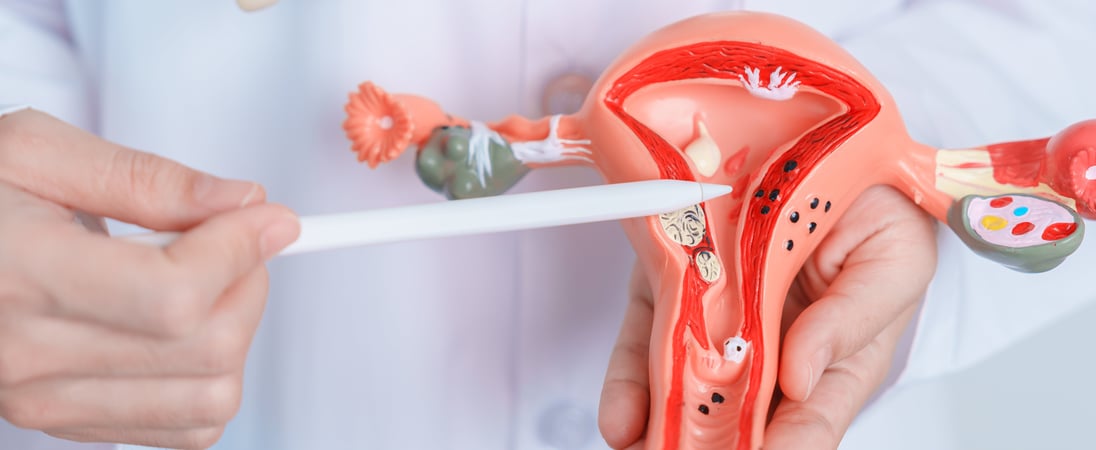
Endometriosis Awareness Day
Endometriosis Awareness Day focuses on a condition that affects millions of women worldwide. This day is vital because it brings attention to the challenges faced by those living with endometriosis.
It helps break the silence around a condition that is often misunderstood and misdiagnosed.
Public awareness can lead to better understanding, support, and advocacy for improved healthcare and research.
Endometriosis Awareness Day Timeline
1860
First Detailed Medical Description
French surgeon Karl von Rokitansky publishes a description of uterine tissue growing outside the uterus, often cited as the first clear pathological account of what is now called endometriosis.
1921
Cullen Defines Adenomyosis and Related Disease
Canadian gynecologist Thomas Cullen publishes “Adenomyoma of the Uterus,” carefully documenting endometrial tissue invading the uterine muscle and helping to distinguish related gynecologic disorders.
1927
Sampson Proposes Retrograde Menstruation Theory
American gynecologist John A. Sampson presents his influential theory that menstrual blood flowing backward through the fallopian tubes can seed endometrial cells in the pelvis, shaping modern thinking about endometriosis.
1950s
Introduction of Hormonal Suppression Therapy
With the wider use of synthetic hormones and oral contraceptives, clinicians begin suppressing ovulation and menstruation to reduce endometriosis pain, marking a shift from primarily surgical to medical management.
1960s–1970s
Diagnostic Laparoscopy Transforms Care
The development and spread of gynecologic laparoscopy allows doctors to look directly inside the pelvis, improving the ability to detect, biopsy, and surgically treat endometriosis with far less invasive procedures.
1994
NIH Workshop Recognizes Major Knowledge Gaps
A National Institutes of Health consensus workshop in the United States highlights how little is known about endometriosis causes and optimal treatment, spurring calls for more research funding and standardized definitions.
2017
WHO Acknowledges Global Burden of Endometriosis
The World Health Organization publishes a fact sheet describing endometriosis as a chronic, often debilitating condition affecting about 10 percent of reproductive-age women worldwide, framing it as a major public health issue.
How to Celebrate Endometriosis Awareness Day
Raise Your Voice
Why not make some noise? Share personal stories on social media using the hashtag #EndometriosisAwareness. Engage friends and family to spread the word. The more people know, the better!
Dress to Impress
Wear yellow to support the cause. This color symbolizes endometriosis awareness. Brighten your wardrobe, and encourage others to join in. It’s a fun way to show solidarity.
Get Crafty
Create homemade awareness ribbons or bracelets. These can be shared at local events or given to friends. Handcrafted items spread awareness and showcase creativity.
Host a Gathering
Organize a small event or gathering. Invite friends for a coffee morning or a picnic. Discuss endometriosis, share experiences, and offer support. Community brings strength.
Support Research
Donate to endometriosis research organizations. Every penny helps in the fight against this condition. Support advancements in diagnosis and treatment. Give what you can!
Educate Yourself
Spend some time reading about endometriosis. Understand its symptoms, treatments, and impact. Knowledge empowers and enables better support for those affected.
Get Active
Join a local walk or run for endometriosis. Exercise while raising awareness and funds. Participate solo or form a team with friends. Stay fit and make a difference!
Light Up Your Space
Decorate your home with yellow lights or banners. Visible support can spark conversations and curiosity. Illuminate your space and shine a light on endometriosis!
Significance of Endometriosis Awareness Day
Endometriosis Awareness Day is celebrated to educate people about the condition and its impact. Many women endure years of pain before receiving a correct diagnosis.
Increased awareness encourages early detection and treatment, potentially improving the quality of life for many.
This day also aims to support those affected, fostering a sense of community and solidarity. By sharing stories and information, we can reduce the stigma and ensure that more women receive the care they need.
History of Endometriosis Awareness Day
Endometriosis Awareness Day began as an effort by the Endometriosis Association in 1993. The initiative aimed to shed light on this painful condition affecting millions of women globally. Mary Lou Ballweg, one of the founders, played a pivotal role in this movement.
She and her colleagues recognized the need to address the widespread ignorance and stigma surrounding endometriosis. Their efforts led to the establishment of a dedicated week, which eventually expanded into a month-long awareness campaign.
The primary goal of Endometriosis Awareness Day is to educate the public about the condition, encourage early diagnosis, and promote better treatment options.
Many women suffer for years before receiving a proper diagnosis, often due to a lack of awareness among both patients and healthcare providers.
Facts About Endometriosis Awareness Day
Silent Suffering: The Long Diagnostic Delay
Endometriosis is one of the few gynecologic conditions where women often wait the better part of a decade for answers.
A large UK survey found that people with endometriosis waited an average of almost 9 years from first reporting symptoms to a general practitioner to finally receiving a diagnosis, a delay researchers attribute to symptom dismissal, overlap with bowel and bladder disorders, and reliance on invasive laparoscopy.
An Ancient Disease With a Modern Name
While the word “endometriosis” was only coined in the 1920s, descriptions of what appears to be the same illness go back thousands of years.
Ancient Egyptian papyri and later Greek medical writers described cyclical pelvic pain, infertility, and a “wandering” or “strangled” womb, but it was Austrian pathologist Karl von Rokitansky who, in 1860, first described lesions that match what is now recognized as endometriosis.
From Hysteria to Organic Disease
For centuries, severe menstrual pain was often dismissed as “hysteria” or emotional weakness rather than a physical problem.
Historical analyses show that only in the late 19th and early 20th centuries did gynecologists begin linking chronic pelvic pain and infertility to visible pelvic lesions, helping shift endometriosis from a supposed psychological or moral failing to a recognized organic disease that warranted scientific study.
A Multi‑System Disorder, Not Just “Bad Periods”
Modern research has reframed endometriosis as a multi‑system disorder rather than a purely gynecologic problem.
Large genetic and clinical studies indicate that it involves chronic inflammation, nerve growth, immune dysfunction, and altered pain processing in the central nervous system, which helps explain why many patients report whole‑body fatigue, sleep disturbance, and other symptoms far beyond the pelvis.
Why Retrograde Menstruation Is Not the Whole Story
John Sampson’s 1927 theory that menstrual blood flows backward through the fallopian tubes into the pelvis remains influential, but newer reviews emphasize that retrograde menstruation likely cannot explain endometriosis on its own, since most menstruating people have some backflow.
Researchers now point to additional requirements such as genetic susceptibility, immune system abnormalities, and the ability of displaced cells to invade tissue and form new blood vessels.
A Leading Yet Under‑Recognized Cause of Infertility
Endometriosis is one of the most common underlying causes of infertility, and fertility experts estimate that up to half of women with unexplained difficulty conceiving may have the condition.
The disease can distort pelvic anatomy, damage the ovaries, and trigger inflammation that interferes with egg quality, fertilization, and implantation, even when the fallopian tubes appear open.
Hidden Economic Costs in the Workplace
Beyond medical bills, endometriosis quietly drains economies through lost work and reduced productivity. Studies of employed patients show that many miss workdays, cut back hours, or turn down promotions because of pain and fatigue, and one multicenter study found that nearly 40 percent of participants had reduced professional activity in the prior three months, highlighting the condition’s substantial but often invisible impact on careers and income.
Endometriosis Awareness Day FAQs
What is endometriosis?
Endometriosis is a condition where tissue similar to the uterine lining (endometrium) grows outside the uterus.
This tissue often appears on the ovaries, fallopian tubes, and pelvic lining, causing severe pain, heavy periods, and sometimes infertility.
Despite its prevalence, the exact cause remains unknown, making treatment and early diagnosis challenging.
What are some surprising symptoms of endometriosis?
Beyond intense menstrual pain and heavy bleeding, endometriosis can cause unexpected symptoms like digestive issues, back pain, and even chronic fatigue.
Some people experience pain during bowel movements or urination, mistakenly attributing it to other issues.
There’s also a strong link between endometriosis and anxiety or depression, likely due to chronic pain and hormonal changes.
These diverse symptoms can confuse both patients and doctors, sometimes leading to a delayed diagnosis by several years.
How do doctors diagnose endometriosis, and why is it often delayed?
Diagnosing endometriosis typically involves a combination of symptom tracking, imaging tests, and sometimes laparoscopic surgery, the most definitive method.
Unfortunately, diagnosis often takes 7–10 years, partly because symptoms overlap with other conditions like irritable bowel syndrome or pelvic inflammatory disease.
The invasive nature of laparoscopy also means many hesitate to undergo surgery.
Increased awareness and improved imaging techniques, such as advanced ultrasound and MRI, are helping some patients get diagnosed earlier.
Are there any myths about endometriosis that still persist?
Yes, myths about endometriosis are still common. A widespread myth is that only older women can have endometriosis, but symptoms often start in the teenage years.
Another misconception is that pregnancy “cures” endometriosis—while pregnancy can temporarily reduce symptoms, it doesn’t eliminate the condition.
Some believe endometriosis is always visible in imaging scans, yet many cases remain undetected without surgical examination. These myths can lead to misdiagnosis and delay appropriate care.
How is endometriosis depicted in art and literature?
Endometriosis has inspired poetry, art, and memoirs, often capturing themes of pain, struggle, and resilience.
Writer Hilary Mantel discussed her experience in her memoir, “Giving Up the Ghost.”
More recently, visual artists have created abstract representations of the condition’s impact, using jagged shapes and dark colors to depict discomfort.
Are there surprising links between endometriosis and other health issues?
Research shows a surprising connection between endometriosis and autoimmune disorders.
Studies suggest women with endometriosis have a higher risk of autoimmune diseases like lupus, rheumatoid arthritis, and multiple sclerosis.
Understanding this link could improve early diagnosis and treatments for those with both conditions.
What are some lesser-known treatments for endometriosis used in other cultures?
In traditional Chinese medicine, practitioners recommend herbs like cinnamon and ginger to alleviate pain.
Ayurveda, a traditional Indian healing system, suggests dietary changes to reduce inflammation.
Although not cures, these methods provide natural options for symptom management alongside conventional treatments.
Why do some people celebrate Endometriosis Awareness Day with yoga?
Yoga is popular for endometriosis awareness as it reduces stress and manages pain through gentle stretching.
Specific poses, like child’s pose or cat-cow, help ease tension in the pelvic area, providing relief.
Some groups host awareness yoga sessions where people gather in yellow attire to combine advocacy with wellness.
Is there a cultural stigma around discussing endometriosis globally?
In many societies, discussing menstruation is still taboo, which affects endometriosis awareness.
In places like Japan and some parts of the Middle East, cultural sensitivity around menstruation can make it difficult for women to openly seek help.
Awareness events aim to break these barriers, encouraging open discussion.
How has awareness of endometriosis changed in recent years?
With the rise of social media, endometriosis awareness has exploded. Celebrities like Lena Dunham and Halsey have shared their stories, inspiring young women to seek help.
Online support groups and influencers play a crucial role in spreading information, helping break silence and shame around the condition.
Also on ...
View all holidays
National Barista Day
They create magic in a cup, transforming simple beans into a delicious pick-me-up. From latte art to custom blends, they're the coffee wizards!

Share a Smile Day
Spreading happiness with a simple, friendly expression, lighting up someone's day with warmth and positivity.

St. David’s Day
Embracing traditions with daffodils and lively festivities — a celebration weaving Welsh culture into joyous community gatherings.

International Wheelchair Day
Honoring the vitality of those who rely on wheelchairs, acknowledging resilience, and fostering inclusivity in communities.
We think you may also like...

National Disability Independence Day
Empowering autonomy, embracing unique abilities, and fostering inclusivity create a world where independence flourishes beyond limitations.

National Alcohol Awareness Month
Promoting mindful choices, understanding limits, fostering informed decisions for a healthier relationship with alcohol and well-being.


Alzheimer’s & Brain Awareness Month
Promoting understanding, advancing research, and supporting those affected to make a meaningful impact on cognitive health.