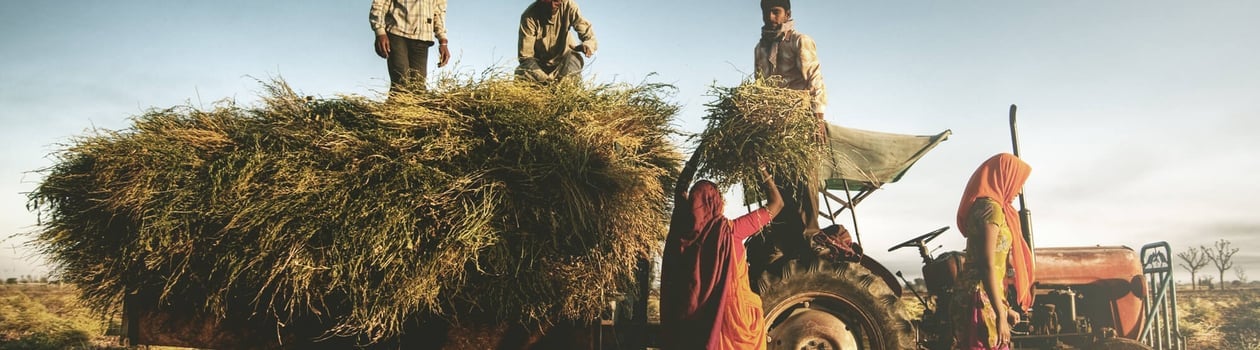
National Farm Workers Day is a day to celebrate and be grateful for all the hard work that farmers do to keep fresh food coming. Vegetables, meat, herbs – the staples of your grocery bag all started out on a farm.
It’s sometimes hard for us to remember how lucky we are to have access to fresh produce, and we are somewhat disconnected from the roots – literally – of our food when we see it all packaged up in the supermarkets.
On National Farm Workers Day, we are reminded to thank farmers for making it all possible.
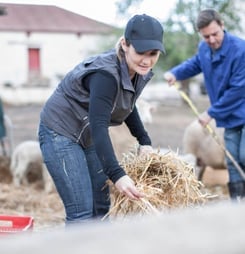
Farm workers are often on the farm from sunrise to sunset – so it’s no wonder that they have a day for them!
National Farm Workers Day Timeline
First Federal Protections for Some Farm Laborers
The U.S. Congress creates the Bureau of Education for Freedmen, and later laws like the Southern Homestead Act open limited land and wage work to formerly enslaved people, many of whom become agricultural laborers under exploitative sharecropping and tenant systems.
Farm Workers Excluded from New Deal Labor Laws
The National Labor Relations Act (1935) and Fair Labor Standards Act (1938) establish minimum wage and collective bargaining rights for most workers, but agricultural laborers and domestic workers are deliberately excluded, leaving farm workers without basic federal protections.
Bracero Program Brings Mexican Guest Workers
The United States and Mexico sign the Mexican Farm Labor Agreement on August 4, 1942, launching the Bracero Program that recruits millions of Mexican men to work mainly in U.S. agriculture under short-term contracts marked by low wages and frequent abuse.
National Farm Workers Association Is Founded
On March 31, 1962, César Chávez and Dolores Huerta establish the National Farm Workers Association in California, creating a new organization dedicated to improving wages, housing, and working conditions for predominantly Latino farm workers.
Delano Grape Strike and National Boycott
Beginning September 8, 1965, Filipino grape workers in Delano, California, strike over wages; the NFWA soon joins, and the five‑year strike and nationwide consumer boycott pressure growers to sign union contracts covering tens of thousands of farm workers.
Birth of the United Farm Workers Union
The National Farm Workers Association and the Agricultural Workers Organizing Committee merge to form the United Farm Workers Organizing Committee, later the United Farm Workers of America, becoming the best-known union representing U.S. farm laborers.
California Recognizes Farm Workers’ Right to Organize
California passes the Agricultural Labor Relations Act, the first U.S. law to explicitly grant farm workers the right to organize and bargain collectively, and to establish a state agency to oversee farm labor elections and unfair labor practice claims.
How to Celebrate National Farm Workers Day
Show Support for Local Farmers
Supporting farmers and farm workers is a great way to observe this day – you could choose to fundraise for some of the few farming charities or donate to them yourself.
Enjoy a Visit to a Working Farm
You could also make plans to visit a farm on this important day! Especially in the UK, many farms have a shop and sometimes a cafe attached to them where you can have a coffee and buy some fresh produce straight from the farm.
Other farms might invite visitors to a petting zoo on certain days, or even attending classes with animals, like goat yoga!
Enjoy a Farm-to-Table Restaurant
More of these types of eateries are popping up, sourcing their foods from local growers.
This not only supports local farmers in the community, but it also means less transportation which causes less of a harmful impact on the environment.
Pick Up Some Farm Fresh Foods
This is also a great day to drop by a local farmers market in support of local growers and farmers. Or stop by the local grocery store to grab some vegetables.
Be sure that you are mindful of the work that has gone into growing your food!
History of National Farm Workers Day
Farming and agriculture have been a huge part of keeping humanity thriving since we were intelligent enough to cultivate food. In fact, the act of farming has been traced back to way back in the Neolithic era.
As far as we know, the first society to actively engage in farming on a larger scale was the Sumerians, who had a labor force specializing in farming. They also constructed irrigation methods to grow their crops and had a strict harvesting pattern across the year.
Farm workers are those in the fields, picking crops and looking after animals. With the advances in technology, specifically in farming, in the last century or so farm workers have found their work becoming even more specialized.
When we talk about a farmworker, this can have quite a broad meaning. It could mean someone hired by a farm to take part in any activities on the farm, but it can also mean someone who is hired solely to be involved in the production – such as harvesting.
Working outside for long periods in all kinds of climates, and the bending and crouching needed for harvesting – not to mention the dangers of using farm machinery and being around some big and easily riled animals – can be very tough on farmworkers.
National Farm Workers Day is about thanking farmworkers for their hard work.
Facts About National Farm Workers Day
Invisible Hazards Make Farm Work One of the Deadliest Jobs in the U.S.
Agriculture consistently ranks among the most dangerous industries in the United States, with workers in farming, fishing, and forestry experiencing fatal injury rates more than six times higher than the average U.S. worker.
Common causes include tractor rollovers, vehicle crashes, entanglement in machinery, falls, and being struck by animals or equipment, alongside chronic exposure to dust, noise, and chemicals.
Repetitive Bending and Lifting Drive High Rates of Musculoskeletal Injury
Farm workers spend long hours bending, stooping, lifting heavy loads, and repeating the same motions, which leads to extremely high levels of musculoskeletal pain and injury.
Studies and health surveys show that strains and sprains account for roughly half of all lost‑time injuries among crop workers, with many reporting chronic back, knee, and shoulder problems that can persist long after the season ends.
Pesticide Exposure Can Leave Lasting Damage on Farm Workers’ Bodies
Because they mix, load, or work in recently treated fields, farm workers experience some of the highest rates of pesticide-related illness of any occupation.
Short‑term effects can include headaches, nausea, vomiting, cramping, and burning eyes or skin, while long‑term exposure has been linked in research to cancers, neurological conditions, reproductive problems, and mood disorders such as depression.
Heat Stress Is a Major Threat for Outdoor Agricultural Labor
Working outdoors for many hours in high temperatures, often with limited shade, rest breaks, or access to cool drinking water, puts farm workers at elevated risk of heat exhaustion and heat stroke.
Health agencies and researchers have documented that heat-related illness is a recurring problem in agricultural labor, where piece‑rate pay and fear of losing work can discourage workers from slowing down or taking needed breaks.
Millions of U.S. Farm Workers Face Barriers to Basic Healthcare
In the United States an estimated 2 to 3 million migrant and seasonal agricultural workers play a central role in food production, yet many live in poverty and lack regular access to medical care.
Government and nonprofit assessments highlight that farm workers are less likely to have health insurance, face language and transportation barriers, and often delay treatment for injuries or illness because of cost or fear of job loss.
Global Food Supply Still Depends Heavily on Human Labor
Despite advances in agricultural machinery, a large share of the world’s food is still produced and harvested by hand or with limited mechanization, particularly in fruits, vegetables, and labor‑intensive crops.
International labor statistics show that agriculture remains one of the largest employers worldwide, especially in low‑ and middle‑income countries, where farm workers’ labor underpins both local diets and export economies.
Farm Workers Often Live and Work in the Same Isolated Spaces
Many migrant and seasonal farm workers reside in employer‑provided camps or housing that is located on or near worksites, which can blur the line between home and workplace.
Rural health research has found that such housing is frequently in remote areas with limited transportation, social services, or legal support, contributing to social isolation and making it harder for workers to seek independent medical care or assistance when problems arise.