
Fasnacht Day is a lively celebration rooted in Pennsylvania Dutch and German traditions. It is observed the day before the start of Lent.
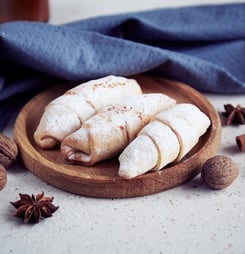
It’s all about indulgence, offering a chance to enjoy rich foods like fastnacht—delicious, dense pastries made from dough that’s often enriched with potatoes.
These treats, which resemble donuts but without a hole, were originally a way to use up all the fatty and sugary ingredients before the fasting period began.
People relish these pastries, often dusted with powdered sugar or served with molasses, marking a joyful farewell to indulgence before Lent’s restraint begins.
Beyond the food, Fasnacht Day is an important part of the pre-Lenten festivities. Many communities in Pennsylvania, particularly in Dutch-influenced regions like Berks and Lancaster counties, celebrate by gathering in bakeries and churches to share these traditional foods.
The day carries a sense of excitement and shared tradition, with its roots in centuries-old customs from Germany and Switzerland, where locals would prepare for the solemnity of Lent by enjoying a final feast. It’s a reminder of the joy that comes before a period of reflection and simplicity.
How to Celebrate Fasnacht Day
Looking to enjoy Fasnacht Day to the fullest? There are plenty of fun ways to celebrate this delicious, doughy tradition while keeping the spirit of the occasion alive.
Here are some quirky and creative ideas to help you dive right into the festivities.
Make Your Own Fasnachts
Nothing says Fasnacht Day like fresh, homemade fasnachts. Try your hand at making these tasty treats from scratch.
Opt for the traditional potato-based dough or a modern twist using yeast. Get creative with shapes and toppings—whether you go for powdered sugar or a sweet glaze, your kitchen will smell heavenly.
Host a Fasnacht Tasting Party
Gather friends and family for a fasnacht sampling event. Visit local bakeries or make different variations at home, and let everyone vote on their favorite.
Offer toppings like cinnamon sugar, powdered sugar, and maple syrup. You could even include a prize for the best homemade or bakery-fresh fasnacht!
Support Local Bakeries
Many small bakeries take pride in making fasnachts each year, so this is the perfect excuse to support them.
Pick up a batch of these special treats, especially from family-owned spots that only sell them once a year. Surprise your coworkers or neighbors with a dozen to share the joy.
Have a Fasnacht Picnic
If the weather allows, enjoy the day outdoors with a fasnacht-themed picnic. Pack a variety of fasnachts, along with some hot drinks like coffee or tea. Pair them with simple sides like fresh fruit or yogurt to balance out the sweetness.
Explore the Traditions
Take some time to learn more about the history behind Fasnacht Day. Watch documentaries, listen to podcasts, or read articles about its roots in Pennsylvania Dutch and German culture.
The day has deep connections to community and heritage, making it even more meaningful when celebrated with a little extra knowledge.
Fasnacht Day Timeline
Urban Carnival Emerges in Cologne
Medieval records indicate a pre-Lenten carnival already established in Cologne by this year, showing early city-based Shrovetide festivities before Lent.
Earliest Recorded Basel Fasnacht Incident
A Basel document describes a violent event on the day before Ash Wednesday, providing the earliest known written evidence of the city’s Fasnacht celebration.
First Official Morgenstreich in Basel
Basel holds the first official Morgenstreich pre-dawn procession, a lantern-lit parade that becomes the iconic opening ritual of Basel Fasnacht.
Lantern Tradition Develops in Basel Fasnacht
Participants in Basel Fasnacht introduced the first pole-mounted lanterns during the carnival, helping to shape the city’s distinctive illuminated procession style.
Large Procession Lanterns Debut at Basel Fasnacht
Basel Fasnacht sees the appearance of its first large parade lanterns, solidifying the visual and satirical character of the city’s modern carnival.
History of Fasnacht Day
Fasnacht Day has roots in centuries-old traditions from Germany and Switzerland. It began as a way for people to use up rich ingredients like lard, butter, and sugar before Lent, a period of fasting in the Christian calendar.
The name “Fasnacht” comes from the German words for “fast” and “night,” symbolizing the start of this fasting season. This pre-Lenten celebration gave families a chance to indulge in hearty, fried treats to empty their pantries of forbidden foods.
German immigrants brought this custom to the United States, especially to Pennsylvania, in the 17th and 18th centuries.
The Pennsylvania Dutch, descendants of these settlers, kept the tradition alive by making and eating fasnachts, dense, donut-like pastries. These communities embraced the custom, and it became a beloved event for both religious and cultural reasons.
Originally, the day centered on ridding homes of excess fat and sweets to prepare for Lent’s simpler meals. People believed it was important to avoid waste, so they created these delicious pastries. Fasnacht Day spread from homes to bakeries and churches, where it remains popular today.
Although the religious importance of Lent varies, the joy of Fasnacht Day brings people together. The tradition has evolved over the years, but the spirit of using up indulgent foods before fasting has stayed the same.
Today, Fasnacht Day is a fun way to connect with the past, blending old customs with modern celebrations. Whether by making pastries at home or buying them from local bakeries, people continue to enjoy the day’s delicious treats.
Fasnacht Day Facts
Symbolic Shapes in Fasnacht Pastries
Traditional Pennsylvania Dutch fasnachts are often cut into specific geometric shapes that carry religious symbolism: square cakes can represent the four Gospels, while triangular ones symbolize the Holy Trinity.
These symbolic shapes, still used by some bakers today, illustrate how a seemingly simple fried dough evolved as a means to incorporate Christian teachings into everyday food traditions.
Potato Dough as a Resource-Saving Innovation
Many Pennsylvania Dutch fasnacht recipes call for mashed potatoes in the dough, a technique that likely developed to stretch precious wheat flour and create a moister, longer-keeping pastry. Food historians note that these potato-enriched doughs produce the characteristically dense, chewy texture associated with fasnachts, differentiating them from lighter yeast doughnuts.
Fasnachts as a Tool for Pantry Management
Historically, fasnacht-making was a form of household resource management: frying large batches of rich doughnuts allowed families to use up lard, butter, sugar, and eggs that would be avoided during Lent.
Pennsylvania Dutch accounts emphasize that this was less about wasteful feasting and more about transforming perishable fats into a storable food that could be eaten gradually during the leaner weeks that followed.
Folklore of Treating Chickens to Fasnachts
In rural Pennsylvania Dutch folklore, some farmers fed the first fresh fasnachts of the season to their chickens with the belief that this would protect the flock from hawks in the coming spring.
This custom links the pastry not only to religious fasting but also to agrarian concerns, showing how food rituals were folded into everyday strategies for safeguarding livelihood.
The “Fastnacht” as the Last One Out of Bed
Beyond the pastry itself, the term “Fastnacht” became part of playful household customs: in some Pennsylvania Dutch families, the last person to get out of bed on Shrove Tuesday was nicknamed “the Fastnacht” and teased throughout the day.
Folklorists see this as part of a broader pattern in European pre-Lenten traditions where light-hearted mockery and minor role reversals marked the threshold between indulgence and penitence.
Saffron Tea Pairing in the “Saffron Belt”
In Lancaster and Lebanon counties, sometimes referred to as Pennsylvania’s “saffron belt,” a distinctive regional custom has developed of dunking fasnachts into saffron tea.
This practice reflects the area’s long history of cultivating and using saffron—a rare and costly spice—showing how local agricultural products can shape the flavor profile of even humble seasonal foods.
Shared Linguistic Roots with Other Pre-Lenten Feasts
The Pennsylvania Dutch word “Fastnacht” (“eve of the fast”) is linguistically related to other northern European pre-Lenten celebrations, such as Danish Fastelavn and Dutch Vastenavond, all meaning the evening before fasting begins. Linguists trace these terms back to Middle Low German expressions for “fast evening,” underscoring how a common Christian calendar event produced a family of related feast-day names and customs across Europe.