
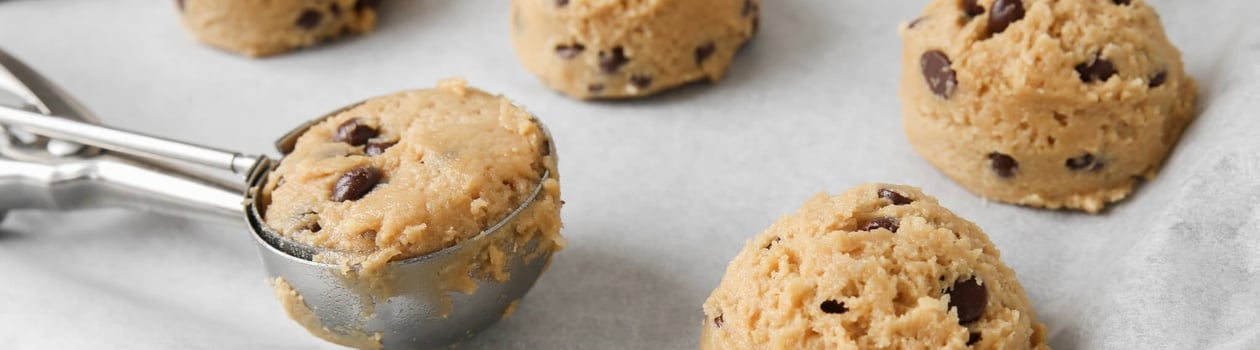
National Cookie Dough Day is certainly one of the sweetest celebrations of the year. It’s a delightful occasion that brings happiness to dessert lovers and anyone who enjoys a comforting sugary treat.
This day is a warm tribute to the creamy, nostalgic goodness known as cookie dough. For countless people, cookie dough is the highlight of baking: that magical stage when butter, sugar, and vanilla combine into something that smells comforting and tastes like excitement.
Whether someone loves traditional chocolate chip or enjoys adventurous flavors like birthday cake, salted caramel, or espresso chip, this day allows cookie dough to enjoy the attention it has deserved for years.
The only important rule is a practical one: if cookie dough is eaten raw, it should be prepared specifically for raw consumption, meaning no raw eggs and flour that has been treated to lower food safety risks.
How to Celebrate National Cookie Dough Day
Celebrating National Cookie Dough Day is all about enjoying a rich and delicious treat. Doughnot miss the opportunity to join in the fun! Here are several creative and enjoyable ways to celebrate National Cookie Dough Day:
DIY Edible Cookie Dough
Making a homemade batch makes the celebration feel more personal, almost like a tiny kitchen festival inside a mixing bowl. The important part is preparing dough intended for snacking rather than baking.
An edible cookie dough recipe usually follows the familiar base, butter (or a butter substitute) mixed with sugar, vanilla extract, and a pinch of salt. Then it changes in two key ways:
- Leave out the raw eggs. Many edible dough recipes use milk, cream, or non-dairy alternatives instead to achieve the same creamy texture.
- Use heat-treated flour or flour prepared specifically for no-bake recipes. Flour is also a raw ingredient that may contain bacteria, so eggs are not the only concern.
Once the dough is safe to eat, the fun can begin. Add-ins can range from mini chocolate chips to crushed pretzels, toasted coconut, chopped candy bars, or freeze-dried fruit. For a bakery-inspired flavor, a pinch of espresso powder can deepen chocolate notes, while cinnamon can create a cozy café-style taste.
For anyone who prefers cookie dough that feels more balanced and less sugary, a useful trick is adding slightly more salt and combining brown sugar with white sugar. Brown sugar contributes a deeper caramel flavor that makes the dough taste richer, even before baking.
Cookie Dough Tasting Party
A cookie dough tasting party is like a playful version of a chocolate-and-vanilla wine tasting. Small servings and labeled flavors help guests sample several varieties without overdoing it immediately.
A well-rounded tasting table might include different styles and textures, including:
- Classic: chocolate chip or double chocolate
- Nutty: peanut butter, almond, or hazelnut
- Crunchy textures: crushed waffle cone, rice cereal, or cookie pieces mixed inside
- Sophisticated flavors: espresso, toasted coconut, or cocoa nibs
- Surprise bowl: unusual flavors such as spicy chocolate or salty caramel pretzel
To make the experience more interactive, create a “mix-in station” where guests can customize plain vanilla dough. This also helps accommodate different preferences, since one base dough can become several unique creations.
Because cookie dough may involve allergens, it is helpful to use separate serving spoons and clearly label ingredients, especially nuts, dairy, and gluten.
Cookie Dough Dessert Potluck
Host a National Cookie Day potluck with a fun cookie dough theme where every guest brings a dessert inspired by cookie dough. Think beyond ordinary cookies — cookie dough-filled cupcakes, truffles, or creamy cookie dough dip.
The easiest way to keep the menu coordinated is by choosing one shared theme: “cookie dough as filling,” “cookie dough as topping,” or “cookie dough-inspired desserts.” Guests can then interpret the idea however they wish.
Desserts that travel well and stay fresh on a serving table include:
- Cookie dough truffles: bite-sized edible dough covered in chocolate
- Cookie dough bark: edible dough spread thin and topped with melted chocolate and crunchy toppings
- Cookie dough dip: a soft, fluffy dip served with fruit, pretzels, or cookies
- Cookie dough parfaits: layers of dough, whipped topping, and brownie or cake pieces
- Cookie dough sundae station: dough bites, sauces, sprinkles, and crushed cookies for building sundaes
The best potluck recipes are those that can be prepared ahead of time. Cookie dough works perfectly because it can be chilled and served at its best without last-minute preparation.
Cookie Dough Art
Kids can also join the fun by using edible cookie dough as a creative activity. They can shape, decorate, and eventually enjoy their edible masterpieces.
Edible dough works similarly to soft modeling clay, especially when chilled slightly. Some entertaining ideas include:
- Make cookie dough “coins” and press patterns into them using a fork.
- Roll tiny dough “beads” and place them onto pretzel sticks.
- Create a miniature “cookie dough garden” using fruit slices and chocolate pieces.
- Shape letters and decorate them with colorful sprinkles.
This activity also creates an easy opportunity to teach important kitchen habits. Washing hands, cleaning surfaces, and using dough made specifically for raw consumption become simple lessons with a tasty reward.
Virtual Cookie Dough Bake-Along
To encourage sharing and creativity, organize a virtual bake-along where participants can exchange favorite cookie dough recipes and baking advice.
A virtual event works best when focused on the quick, social side of cookie dough. Instead of baking simultaneously, participants can:
- Prepare dough together on camera.
- Compare textures and troubleshoot sticky or dry dough.
- Share creative mix-ins.
- Vote for categories like “most original flavor.”
For better organization, the host can send an ingredient list beforehand and suggest alternatives for dietary needs, such as plant-based butter, oat milk, almond milk, or gluten-free flour intended for edible dough.
Support Local Bakeries
Every year, many bakeries and ice cream shops release special cookie dough treats for National Cookie Dough Day. It’s a perfect opportunity to support local businesses while enjoying delicious desserts.
Cookie dough has evolved from a quick baking sample into a complete dessert category. Many shops now serve edible cookie dough by the scoop, cookie dough-filled desserts, and cookie dough blended into ice cream.
When choosing a bakery or dessert shop, cookie dough fans can look for signs of quality, including:
- Dough clearly labeled as safe to eat raw
- Ingredient labels for common allergens
- Balanced flavor with noticeable vanilla and salt, not just sweetness
- Mix-ins that remain crisp instead of becoming soft
For people who enjoy baking, purchasing dough from a bakery can also provide an easy shortcut to fresh homemade cookies.
Cookie Dough Movie Night
Love movies and cookie dough? Combine both for a cozy evening filled with comfort and sweetness.
Cookie dough can be presented as a special movie snack instead of simply serving it in a bowl. A fun movie-night setup might include:
- Several flavors of edible dough
- Small individual serving cups
- Toppings such as chopped nuts, mini marshmallows, or crushed cookies
- Crunchy dipping options like pretzels or wafer sticks
For a slightly more refined pairing, cookie dough also goes surprisingly well with strong coffee, black tea, or cold milk. The richness of the dough pairs beautifully with drinks that balance the sweetness.
National Cookie Dough Day is much more than an excuse to enjoy dessert. It celebrates creativity in the kitchen and one of life’s simplest pleasures.
So, on National Cookie Dough Day, take out a mixing bowl and wooden spoon, get creative, and enjoy the delicious world of cookie dough safely and happily.
National Cookie Dough Day Timeline
Invention of the Chocolate Chip Cookie
Ruth Graves Wakefield created the first chocolate chip cookies at the Toll House Inn in Whitman, Massachusetts, establishing the dough that would become a cultural favorite, both baked and unbaked.
Toll House Cookie Recipe Published
Wakefield’s chocolate chip cookie recipe appears in her 1938 cookbook “Ruth Wakefield’s Toll House Tried and True Recipes,” spreading the idea of chocolate‑studded cookie dough to home bakers across America.
Boxed Cookie Mixes Reach Home Kitchens
Companies like Pillsbury and Nestlé introduce chocolate chip cookie baking mixes, making it easier for families to stir up bowls of dough at home with fewer ingredients and less effort.
Refrigerated Cookie Dough Hits Supermarket Shelves
Pillsbury releases one of the first mass‑market refrigerated cookie doughs, turning fresh, warm cookies into a near “slice and bake” experience and encouraging casual snacking on raw dough.
Ben & Jerry’s Launches Cookie Dough Ice Cream
After a customer suggestion at their Burlington, Vermont shop, Ben & Jerry’s debuts Chocolate Chip Cookie Dough ice cream, helping to popularize chunks of raw cookie dough as a stand‑alone treat.
FDA Warns Against Eating Traditional Raw Dough
The U.S. Food and Drug Administration issues a consumer advisory explaining that raw dough made with untreated flour and raw eggs can carry E. coli and Salmonella, pushing industry toward safer “edible” formulations.
Heat‑Treated Flour Adopted in Refrigerated Dough
Nestlé USA announces that all Nestlé Toll House refrigerated cookie dough will be made with heat‑treated flour, a major safety upgrade that helps pave the way for wider enjoyment of cookie dough as a ready‑to‑eat indulgence.
History of National Cookie Dough Day
Cookie dough has a history nearly as rich as its flavor. Cookies themselves date back to seventh-century Persia, which many culinary historians consider one of the earliest centers of sugar-based baking. Once sugar became more common, bakers had the ingredients needed to create small sweet treats that stored well and satisfied cravings without requiring an elaborate dessert.
There is also an old baking story connected to cookie history: before ovens had reliable temperature controls, bakers tested oven heat with small pieces of batter. These tiny “test cakes” prevented wasting expensive ingredients on poorly baked cakes. Over time, those small baked portions became popular treats themselves, eventually evolving into cookies.
Cookies later spread throughout Europe through trade and cultural exchange, appearing in many forms depending on local traditions and ingredients. By the late 1300s, street vendors in Paris were already selling wafer-like cookies, showing that sweet portable baked goods had become part of everyday life. Different cookie traditions developed across Europe, from crisp biscuits to festive spiced cookies and delicate wafers.
As cookies spread, the language surrounding them evolved as well. In English, the word “cookie” is commonly connected to the Dutch word koekje, meaning “little cake,” reflecting the soft cake-like origins of many cookies. Meanwhile, “biscuit” comes from a phrase meaning “twice baked,” connected to older traditions of dry baked goods designed to last longer.
Fast-forward to the twentieth century, when cookies became strongly associated with home baking culture, especially after the popularity of reliable recipes and mass-produced baking ingredients increased.
The chocolate chip cookie, invented in the 1930s in the United States, quickly became iconic and helped shape the cookie dough flavor profile most people recognize today: butter, brown sugar, vanilla, and chocolate.
By the 1950s, convenience products transformed baking again. Companies introduced ready-made cookie dough and baking mixes, allowing people to make cookies at home with less effort. Cookie dough became a common household item, and more people discovered how tempting the dough tasted before baking.
Cookie dough’s rise as an independent dessert accelerated during the 1980s, when Ben & Jerry’s launched chocolate chip cookie dough ice cream. According to the company, the idea came from a customer suggestion to add cookie dough chunks into vanilla ice cream. That innovation helped establish cookie dough as a dessert people intentionally wanted to eat, not just secretly sample.
As cookie dough gained popularity, food safety concerns also became more important. Traditional raw cookie dough often contains ingredients not intended for uncooked consumption, especially raw eggs and flour. Public health experts have long warned that raw eggs may contain Salmonella, while raw flour can contain harmful bacteria such as E. coli.
These concerns inspired the modern development of edible cookie dough specifically created for raw consumption. Many recipes and commercial products now avoid eggs entirely and use treated flour to lower safety risks. This innovation opened the door for edible cookie dough shops, packaged dough products, and dessert menus built entirely around cookie dough.
National Cookie Dough Day fits perfectly into this modern cookie dough culture. It celebrates the creativity that transformed a simple baking moment into a popular dessert category filled with endless flavors, textures, and nostalgic appeal.
National Cookie Dough Day Facts
Hidden Risks Lurking in Raw Cookie Dough
Traditional cookie dough is not formulated to be eaten raw, and both the CDC and FDA warn that it can carry two separate hazards at once: Salmonella from raw eggs and Shiga toxin–producing E. coli from raw flour.
Flour is a raw agricultural product that is usually not treated to kill germs, so even a spoonful of unbaked dough can potentially deliver enough bacteria to cause serious illness, especially in young children, older adults, pregnant people, or anyone with a weakened immune system.
How the 2009 Cookie Dough Outbreak Changed Food Safety
In 2009, an outbreak of E. coli O157:H7 infections across 30 U.S. states was traced to Nestlé Toll House refrigerated cookie dough, sickening at least 72 people and hospitalizing 34.
Investigators found that many patients had eaten the dough straight from the package, and flour was identified as the most likely contaminated ingredient, prompting a nationwide recall and reformulation. The high‑profile incident helped shift public-health messaging toward raw flour as a major, and previously underappreciated, source of foodborne illness.
Why Flour Needs a “Kill Step”
Food scientists now treat flour safety more like that of other raw agricultural products, since it can harbor pathogens that survive for months in a dry state.
Industry guidance emphasizes adding a validated “kill step,” such as controlled heat treatment at the milling or manufacturing stage, for flour that will end up in ready‑to‑eat foods like edible cookie dough, ice cream inclusions, or snack bars, instead of relying on consumers to bake away the risk at home.
How Ben & Jerry’s Turned Cookie Dough into an Ice Cream Icon
According to Ben & Jerry’s own history, the idea to mix chocolate chip cookie dough chunks into ice cream came from an anonymous suggestion at their original Burlington, Vermont scoop shop in the mid‑1980s.
The flavor proved so popular in stores that the company began selling it in pints in 1991, and it quickly became one of their best‑selling varieties, inspiring competing brands to roll out their own cookie‑dough‑in‑ice‑cream creations around the world.
The Science Behind “Edible” Cookie Dough
Modern edible cookie dough is engineered more like a confection than a raw batter: manufacturers typically omit raw shell eggs or replace them with pasteurized egg products, and they use heat‑treated flour that has been processed specifically to reduce microbial loads.
These changes keep the flavor and texture associated with classic cookie dough while aligning with federal food‑safety guidance that discourages eating untreated flour or raw eggs.
Raw Dough and America’s Foodborne Illness Burden
Cookie dough is only one piece of a much larger picture in which the CDC estimates that contaminated foods cause about 48 million illnesses, 128,000 hospitalizations, and 3,000 deaths each year in the United States.
Outbreak investigations involving raw dough or batter are now used in consumer campaigns as relatable examples to explain how everyday ingredients like eggs and flour can quietly contribute to that nationwide disease burden when they are not fully cooked.
Why Children Are a Special Concern Around Raw Dough
Public‑health agencies repeatedly single out children when warning against playing with or tasting raw dough, including homemade “play dough” made from flour.
Kids are both more likely to put their hands or craft projects in their mouths and more vulnerable to serious complications from Shiga toxin–producing E. coli, so agencies advise keeping raw flour out of sensory activities and steering families toward heat‑treated, ready‑to‑eat doughs instead.
National Cookie Dough Day FAQs



You may also like
National Chocolate Chip Day
Chocolate chip cookies, chocolate chip cookie dough pops…the possibilities are endless for tasty, irresistible treats on National Chocolate Chip Day.
- United States
National Chocolate Chip Cookie Day
Soft, gooey dough studded with sweet morsels of delight, fresh from the oven - a timeless treat that's sure to satisfy your sweet tooth.
- Canada
- United Kingdom
- United States

National Chocolate Ice Cream Day
Discover the history of chocolate ice cream and celebrate its creamy, versatile delight with sundaes, fun facts, and indulgent ways to enjoy this beloved treat.
- Australia
- Canada
- United Kingdom
- and 1 more
National Lacy Oatmeal Cookie Day
National Lacy Oatmeal Cookie Day spotlights a cookie that manages to be both homey and a little fancy at the same time. Lacy oatmeal cookies are thin, crisp, and delicately patterned, with a toffee-like flavor that comes from butter and sugar caramelizing as the batter spreads into a wide, amber-edged...
- United States
National days and holidays on June 21

Summer Solstice
It's the day with the most sunshine, the longest day of the year. Celebrate the official start of summer with outdoor fun!
- Canada
- Sweden
- United Kingdom
- and 1 more

World Music Day
From Beethoven to Taylor Swift, there’s music for everyone. Revisit your old favorites or discover new artists from different cultures on World Music Day.
- Canada
- France
- India
- and 2 more

National Peaches ‘N’ Cream Day
Incredibly simple but oh so delicious, the combination of peaches and cream is sure to delight your friends and family, not to mention your own taste buds.
- Australia
- Canada
- United States

National Turkey Lovers’ Day
No need to wait until Thanksgiving to enjoy a delicious turkey. This is your chance to do up a bird in the oven, gather your friends and family, and dig in.
- Canada
- United Kingdom
- United States
Seize Every Day
Join free for personalised recommendations, email reminders and exclusive guides. Never miss a day.