Finisher’s Medal Day
Finisher’s Medal Day is a special occasion that celebrates the determination and hard work of individuals who complete races.
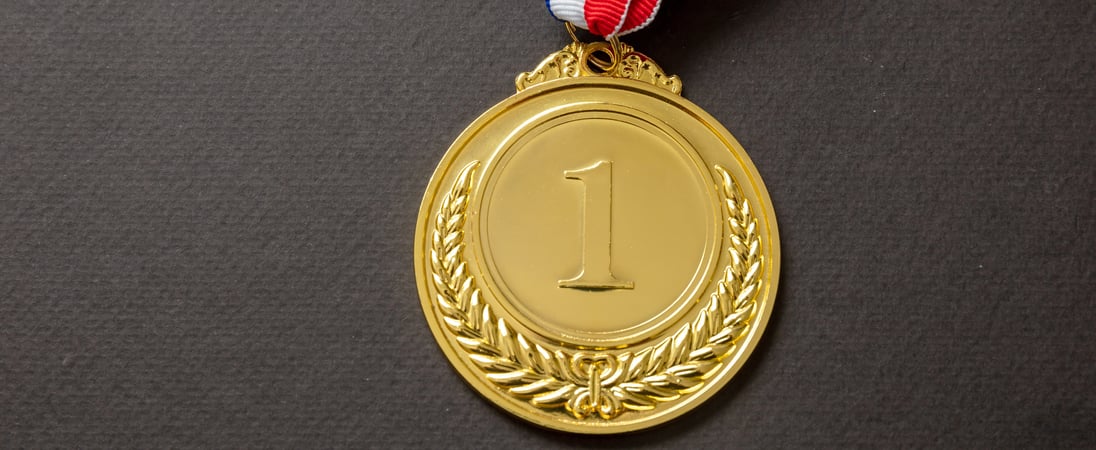
It shines a spotlight on a small object with a big job: the finisher medal, a keepsake that represents early alarms, sore legs, training plans scribbled on calendars, and the decision to keep going when quitting would be easier.
This day honors everyone who crosses the finish line, no matter their speed or experience level. Participants feel a great sense of achievement when they receive their medals, which symbolize their journey, effort, and success.
For some, the medal marks a first-ever 5K. For others, it represents a return after injury, a personal best, or the brave choice to try something new in public while wearing uncomfortable shoes.
The day is not just about winning; it’s about celebrating the commitment and dedication required to complete a race. In endurance sports, “finisher” is a title you earn through follow-through. The medal simply makes that invisible effort visible.
Reasons for Celebrating Finisher’s Medal Day
Finisher’s Medal Day recognizes the perseverance and effort of those who train for and complete races. Training, even for a short event, asks for repeated choices: choosing a run over the couch, choosing water over another soda, choosing patience when progress feels slow.
The medal becomes a compact reminder that the participant showed up when motivation dipped, and the weather disagreed.
The medals given out serve as tangible reminders of the hard work and dedication each participant has shown. Many athletes tuck medals into drawers at first, only to realize later that these tokens function like personal mile markers.
Each one captures a chapter: the race that taught pacing, the course that humbled them, the event that brought a friend group together, or the finish line that proved they could do hard things even while juggling work, family, and everything else.
For many, these medals are more than just tokens; they are symbols of personal triumph and growth. They can represent a shift in identity from “someone who doesn’t run” to “someone who finished.” They can also signal resilience.
Some finishers walk large portions of a course. Others run with asthma, diabetes, arthritis, or anxiety. Some manage recovery from illness or navigate life changes that make training feel like a minor miracle. Finisher medals do not grade the effort; they witness it.
The day also encourages others to set and achieve their own goals, fostering a sense of community and support among runners and their supporters. Races are famously social, even when participants spend most of the time alone in their own heads.
Volunteers are handing out water, spectators clapping for strangers, medical teams standing by, and fellow runners offering a quick “You’ve got this” at exactly the right moment. Finisher’s Medal Day celebrates that whole ecosystem, not just the last step across the timing mat.
It also nudges the broader culture to broaden the definition of success. Competitive results matter to some athletes, but finishing matters to nearly everyone.
This day makes room for the middle and back of the pack, the first-timers, the comeback stories, and the athletes who do not look like the stereotype of “a runner.” If a medal prompts someone else to sign up, train consistently, or simply move more often, it has done its job.
History of Finisher’s Medal Day
Finisher’s Medal Day began in 2018, and it was initiated by the Little Rock Marathon. This event is celebrated annually on the first Sunday of March.
The Little Rock Marathon, which started in 2003, created this special day to honor the efforts and spirit of athletes worldwide who complete races. The organizers wanted to acknowledge the dedication and perseverance required to finish a race, no matter the distance or difficulty.
That focus fits neatly with the event’s reputation for memorable finisher medals, a tradition that helped make “finishing” feel like an achievement worthy of a trophy-sized reminder.
Finisher medals have a longer story in sport. Athletic awards have existed for centuries, but modern mass-participation races made the finisher medal a cultural icon. As running events grew more inclusive, the medal evolved into a universal signal: “This person completed the challenge.”
Unlike podium awards, it does not separate people into categories based on speed. It recognizes completion, and completion is a big deal when the training has taken months, and the race itself asks for grit.
This day celebrates everyone who crosses the finish line, recognizing their hard work and commitment. Participants train for months, balancing their daily lives with rigorous exercise regimes.
Training can be surprisingly complex, even for recreational athletes. There is the long run that teaches endurance, the easy run that builds consistency, the rest day that requires discipline of a different kind, and the gradual ramp-up that helps prevent injuries.
There is also the learning curve: figuring out socks that do not rub, hydration that does not upset the stomach, and pacing that prevents a heroic start from turning into a painful shuffle.
The medal at the end compresses all of that into a single moment. Race directors often design medals to reflect a theme, a location, a course landmark, or a playful inside joke for repeat participants. Some medals are sleek and minimal.
Others are intentionally oversized, turning into conversation starters that practically demand to be worn to brunch. Whatever the style, the point is the same: it’s a physical acknowledgement that someone committed and followed through.
Finisher’s Medal Day not only honors these achievements but also inspires others to set and pursue their own goals. The “race” does not have to be a marathon, and it does not have to involve running at all. Many events award finisher medals for triathlons, cycling rides, obstacle courses, swim events, hiking challenges, and charity walks.
The unifying idea is endurance: sustaining effort long enough to reach a clear endpoint. Celebrating finishers reinforces a healthy, growth-minded message: improvement is built through consistent work, and success can be defined by completing what one set out to do.
How to Celebrate Finisher’s Medal Day
The day emphasizes that completing a race is a significant accomplishment deserving recognition and celebration. The most authentic way to observe it is to treat “finishing” as a skill, not a fluke.
Skills can be practiced, refined, and repeated, which is great news for anyone who has ever stared at a race registration page and wondered if they belong.
Events such as triathlons, marathons, and endurance races take place globally, encouraging a supportive and motivating environment for all participants. But celebration does not have to require a formal event with bibs and timing chips.
A personal route, a treadmill session, a group walk, or a swim set can carry the same spirit if it includes a goal and the intention to finish.
This day highlights the importance of finishing what one starts and the personal growth that comes with overcoming challenges.
It is also a chance to celebrate the behind-the-scenes work: fueling, recovery, mobility training, and learning to listen to the body. A finisher medal is most meaningful when it represents a process done thoughtfully and safely.
Gear Up and Go
Dust off those running shoes and hit the pavement! Celebrate by signing up for a local race. Don’t worry about speed; it’s all about the finish line. Choosing a distance that matches current fitness is part of the win. A well-chosen goal feels challenging but realistic, leaving room for a steady build instead of a frantic crash course.
Training with friends adds extra fun and motivation. Why not start a weekly running group? It’s a fantastic way to stay fit and make new friends. A simple structure helps: pick a consistent meeting time, choose an easy route, and agree that the group stays welcoming.
Many groups use a run-walk approach so different paces can share the same start and finish. The social payoff is huge, and the accountability is even bigger.
If a race is not appealing, “gear up and go” can be a personal challenge instead. Set a finish line in a way that feels concrete: a certain distance, several minutes moving, or a route that ends at a meaningful spot. The medal is symbolic, but the completion is real.
Cheer Squad Extravaganza
Grab some pom-poms and head out to cheer for runners! Make signs with encouraging messages and ring cowbells to boost spirits. Cheering is not fluff; it can genuinely change performance. A friendly voice can pull someone out of a mental dip, remind them to relax their shoulders, or simply make the miles feel less lonely.
Volunteer at a marathon to hand out water and snacks. Runners love the support, and your energy will make their day brighter. Volunteering also provides a behind-the-scenes education in how events run: aid stations, course marshaling, and finish-line flow all require coordination. It’s a great way to participate without racing and to appreciate the teamwork that makes a finisher medal possible.
For a more personal take, create a “finish line” for someone in training. Meet them at the end of a long run with water, a towel, and genuine applause. That kind of support is memorable, and it reinforces the idea that finishers are celebrated, not evaluated.
Medal Display Party
Host a party to showcase your finisher medals. Invite friends to bring their medals and share stories. Create a display area with hooks and shelves for everyone to admire. Serve themed snacks like “Victory Veggies” and “Champion Chips.”
The goal is not to brag, but to trade the stories that medals hold: the near-miss bus ride to the start, the mile where everything hurt, the stranger who offered a pep talk, the playlist that saved the day.
A medal display can be as simple or as fancy as desired. Some people hang medals on wall racks, pin them to corkboards, or store them in shadow boxes alongside bib numbers.
Others repurpose them creatively, turning old medals into ornaments or using ribbons as colorful accents in a home gym. The point is to treat accomplishments as worthy of space, not something hidden away.
This is also a chance to honor non-race milestones. A “finisher” might be someone who completed physical therapy, stuck to a walking plan, or returned to movement after a long break. Let the party include those wins, too.
Virtual Victory Lap
Can’t make it to a race? Organize a virtual run! Set a date, choose a route, and have everyone share their progress online. Use social media to post updates and photos. Reward participants with digital certificates or fun badges. Virtual celebrations work well for mixed schedules, different fitness levels, and people who prefer quieter routes.
To make it feel more like an event, add a shared theme: everyone runs or walks while listening to the same playlist, everyone takes a photo of their “finish line” landmark, or everyone shares one lesson learned from training. Some groups mail each other homemade medals or ribbon “sashes” beforehand, making the moment of finishing feel tactile even from a distance.
Virtual does not have to mean solo. Friends can check in at agreed-upon mile markers, send short voice messages of encouragement, or hop on a call for a cool-down stretch together. The medal is a symbol, but the community can still be real.
Fitness Challenge Fun
Launch a fitness challenge leading up to Finisher’s Medal Day. Set daily or weekly goals like running a certain distance or completing a set number of push-ups.
Track progress with an app or journal. Celebrate achievements with small rewards like a new water bottle or workout gear. A good challenge focuses on consistency rather than intensity.
For example, committing to three movement sessions per week, adding a gentle long walk on weekends, or practicing mobility after workouts can build durable habits.
It also helps to define what “finish” means. A challenge can include a clear final task, like completing a specific route, participating in a group class, or finishing a training block. This keeps the spirit aligned with the day: follow-through is the feature, not perfection.
To keep it inclusive, encourage participants to modify as needed. A push-up goal could include wall push-ups. A running distance goal could be replaced with time-on-feet. Finisher’s Medal Day works best when it celebrates effort that is sustainable and safe.
Creative Crafting
Get crafty by making your medals. Use colorful ribbons, glitter, and paint to design unique keepsakes. Host a craft night with friends and exchange handmade medals.
It’s a fun, creative way to commemorate the day and unleash your inner artist. Homemade medals can also be surprisingly meaningful when they are tied to a specific achievement.
Make one for a first 10-minute jog without stopping, a completed swim set, or a consistently followed training plan. Write the “event name” on the back, like “The Hill I Finally Conquered” or “The Rainy Run That Proved It.”
Crafting can also be a great activity for families or groups with kids. Create a mini course in a backyard or park and award medals for completing it. Include playful categories like “Best Encourager,” “Most Determined,” or “Strongest Finish.” These small rituals teach that finishing is about persistence and attitude, not just speed.
For those who already have a stack of medals, crafting can be a way to reframe them. Make a collage of race bibs, create a ribbon braid, or design a display that highlights what each medal represents. The day is about honoring finishers, and that includes honoring the story behind the shine.
Finisher’s Medals: When Finishing Became the Achievement
Finisher’s medals were not always part of athletic tradition. For most of sporting history, only winners were recognized, and completing a race carried no formal reward.
As endurance events opened to the public and participation grew, especially in long-distance running, simply reaching the finish line came to be seen as an achievement in itself—one worth marking with a medal.
-
Ancient Marathons Did Not Award Medals to Finishers
In the ancient Greek Olympics, including early foot races, victors received symbolic prizes such as olive wreaths rather than metal medals, and there was no tradition of giving a commemorative award to every finisher.
The modern idea that simply completing a long-distance race deserves a personal token only began to develop many centuries later with the rise of mass-participation events.
-
The First Olympic Medals Were Not All Gold for Winners
At the first modern Olympic Games in Athens in 1896, winners were awarded silver medals and olive branches, while second-place finishers received bronze medals and laurel branches.
Gold medals did not become the standard prize for first place until the 1904 St. Louis Games, showing how slowly the medal tradition evolved before expanding to the broader practice of finisher medals in road races.
-
Finisher Medals Grew Alongside the Running Boom of the 1970s
The idea of giving every marathon participant a medal spread rapidly during the recreational running boom of the 1970s, when large city marathons began attracting thousands of non-elite runners.
Events such as the New York City Marathon and Marine Corps Marathon shifted from small, competitive fields to mass participation, cementing the finisher medal as a way to recognize ordinary people undertaking extraordinary distances.
-
Modern City Marathons Now Produce Tens of Thousands of Medals at Once
As marathons expanded, organizers began commissioning huge medal runs to match surging participation.
The Marine Corps Marathon, for example, passed 10,000 finishers in 1989 and later saw more than 20,000 people cross the line in a single year, each receiving a finisher medal.
That scale turned medal manufacturing, design, and logistics into a specialized industry within the running world.
-
Finisher Medals Often Tell Local Stories Through Design
Many races use their medals to highlight local history or landmarks rather than simply showing a logo and year.
The 45th Marine Corps Marathon medal, for instance, featured imagery honoring an iconic photograph from the Battle of Iwo Jima, linking the achievement of finishing the race with the Corps’ heritage and giving runners a wearable piece of storytelling.
-
Tangible Awards Reinforce Motivation and Goal-Setting
Sports psychology research has found that concrete symbols such as medals can strengthen an athlete’s intrinsic motivation by making an abstract goal feel visible and real.
When endurance athletes receive a physical token of completion, it reinforces the narrative that their training and discomfort were meaningful, which in turn increases the likelihood they will set and pursue future long-term goals.
-
Endurance Finishes Trigger Powerful Brain Chemistry Shifts
Crossing a finish line after a long race is often accompanied by a surge of endorphins, dopamine, and serotonin, brain chemicals linked with reward, relief, and emotional balance.
Neuroscience reporting on endurance sports notes that this hormonal cocktail can produce a euphoric high in the hours after a race, followed by a dip that sometimes contributes to “post-race blues” once the goal has been achieved and the routine abruptly changes.
Finisher’s Medal Day FAQs
Do all races give finisher medals, and what actually qualifies someone to receive one?
Not all races provide finisher medals, and policies vary by organizer and distance.
Larger marathons and many half marathons routinely award medals to everyone who officially completes the course, while some smaller local races or very short events may only offer shirts or no physical award at all.
Typically, a participant must start the race officially, cover the entire course, and finish within any published time limit to receive a finisher medal, and most events do not mail medals to people who do not participate or who are disqualified. [1]
Why do many runners care so deeply about finisher medals?
For many runners, a finisher medal serves as a tangible symbol of months of training, discipline, and overcoming self-doubt, rather than just a piece of metal.
Sports psychologists note that completing an endurance event can reshape a person’s self-image, build self-efficacy, and provide emotional release, and the medal becomes a physical cue that triggers those memories and feelings every time they see it. [2]
Are finisher medals just “participation trophies,” or do they hold real value in sport?
Critics sometimes label finisher medals as participation trophies because they are not limited to the top finishers, but many in the running community argue that the value comes from the effort required, not from beating others.
Completing a marathon or similar endurance event usually demands substantial physical and mental preparation, and industry publications describe finisher medals as a legitimate way to honor that achievement while leaving competitive podium awards, cash prizes, and age‑group trophies to the fastest athletes. [3]
How long is it considered acceptable to wear a finisher medal after a race?
There is no formal rule, but common etiquette suggests wearing a finisher medal at the race venue, during post-race festivities, and sometimes for the rest of the day.
Running magazines note that some people take it off as soon as they leave the event, while others wear it for up to 24 to 48 hours; beyond that, it can draw mixed reactions, so most runners treat extended wear as a matter of personal choice rather than a strict norm. [4]
Do finisher medals actually affect motivation and mental health for endurance athletes?
Finishing a demanding event can trigger a surge of feel‑good brain chemicals and a powerful sense of mastery, and a finisher medal can reinforce that experience later by reminding the athlete of what they accomplished.
Research on ultrarunners links successful completion to higher self‑efficacy, mental toughness, and emotional intelligence, while coaches and psychologists point out that the memories tied to medals can encourage people to stay active and take on new challenges, even though medals alone are not a cure for deeper mental health issues. [5]
What is the difference between a finisher medal and a winner’s or age‑group medal?
A finisher medal is typically given to everyone who completes the course according to the rules, regardless of finishing time or place, and is meant to recognize personal completion of the event.
Winner’s medals, trophies, or age‑group awards, by contrast, are reserved for the fastest athletes overall or within specific categories, often accompanied by prize money or special recognition, so they serve a competitive rather than participatory function. [6]
How have finisher medal designs evolved in running culture?
Early marathon medals were often small and simple, but as mass‑participation races grew, organizers began creating larger and more elaborate designs that reflected local landmarks, race themes, or regional culture.
Today, many major events commission custom artwork, experiment with unusual shapes, colors, and moving parts, and treat the medal as both a piece of event branding and a keepsake that helps runners remember where and what they conquered. [7]
Also on ...
View all holidays
National Barista Day
They create magic in a cup, transforming simple beans into a delicious pick-me-up. From latte art to custom blends, they're the coffee wizards!
Share a Smile Day
Spreading happiness with a simple, friendly expression, lighting up someone's day with warmth and positivity.
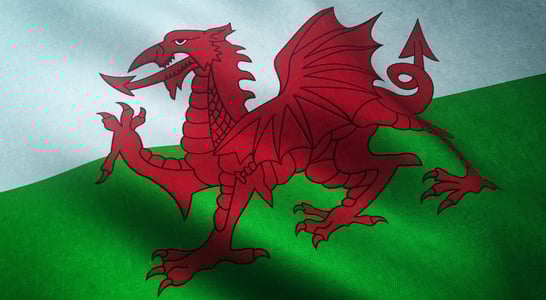
St. David’s Day
Embracing traditions with daffodils and lively festivities — a celebration weaving Welsh culture into joyous community gatherings.
International Wheelchair Day
Honoring the vitality of those who rely on wheelchairs, acknowledging resilience, and fostering inclusivity in communities.
We think you may also like...

Teenager Workout Day
Teenagers, it’s time to get in shape. Parents of teenagers, it’s time to help your kids learn about safe, daily exercise routines that can keep them healthy.
Special Recreation for the Disabled Day
Enabling inclusive play, breaking barriers for diverse abilities, promoting unity through adaptive sports and recreation programs.