National Frozen Food Day
From crispy fries to creamy treats, frozen food offers a convenient culinary adventure, ready to satisfy cravings at a moment's notice.
Frozen foods, available at grocery stores, have been a creation over the past century, but does anyone know who started it and why? For those curious about what’s so great about frozen foods, a day has been created in honor of them: National Frozen Food Day. It’s a day to learn more about the history of frozen foods and also possibly enjoy some tasty, healthy foods that come from the freezer section!
History of National Frozen Food Day
Frozen foods have been around for a while, and many people were involved in the development of the safe food freezing processes of the modern-day. Because it takes more to freeze food safely than simply sticking it on ice!
Originally, the slower processes of freezing food caused large ice crystals to form that would ultimately degrade the quality, flavor, and texture of the food. In the mid-1920s when several scientists were searching for better processes, faster processes changed everything.
Clarence Frank Birdseye II, a biologist for the US government, set up Birdseye Seafoods and developed the quick-freezing process that included specialized pre-packaging. After earning the first frozen foods freezing process patent in the United States in 1927, Clarence Birdseye created the Birdseye company. He and his company are now considered to be some of the founders of the frozen food industry.
Frozen foods, no matter how conveniently prepared, at that time would still have been heated within the traditional oven, which was time-consuming. It wasn’t until the early 1940-50s that faster, easier heating options would begin to come into play.
In 1945, the microwave was accidentally discovered by Percy Spencer, an American self-taught engineer. After this, the scientific concept was bought and patented by Raytheon for Spencer’s microwave cooking process.
During this same era, TV dinners were developed in the US and, in 1950, began to be sold by the Swanson company, which became the first frozen food dinner to be highly successful.
Once microwaves became accessible to the general public throughout the ’70s and ’80s, US President Ronald Reagan memorialized frozen foods by proclaiming National Frozen Food Day as a U.S holiday in 1984!
Back in these times, grocery stores may have only dedicated one small section of their selling floor to frozen foods. Today, however, stores often make room for several aisles of frozen foods from various companies that allow consumers to reheat readily made foods in under 30 minutes.
Today, organizations such as the National Frozen & Refrigerated Foods Association (NFRA) in the United States celebrate the day. National Frozen Food Day is meant to bring to light the benefits that frozen foods can have towards saving money and bringing families together for a meal.
How to Celebrate National Frozen Food Day
A unique day to be sure, the celebration of National Frozen Food Day offers an interesting chance to learn new things about the history, and also to simply enjoy the convenience that frozen foods bring to modern lives.
Consider these ideas for making National Frozen Food Day fun and fulfilling one:
Take a Trip to the Grocery Store
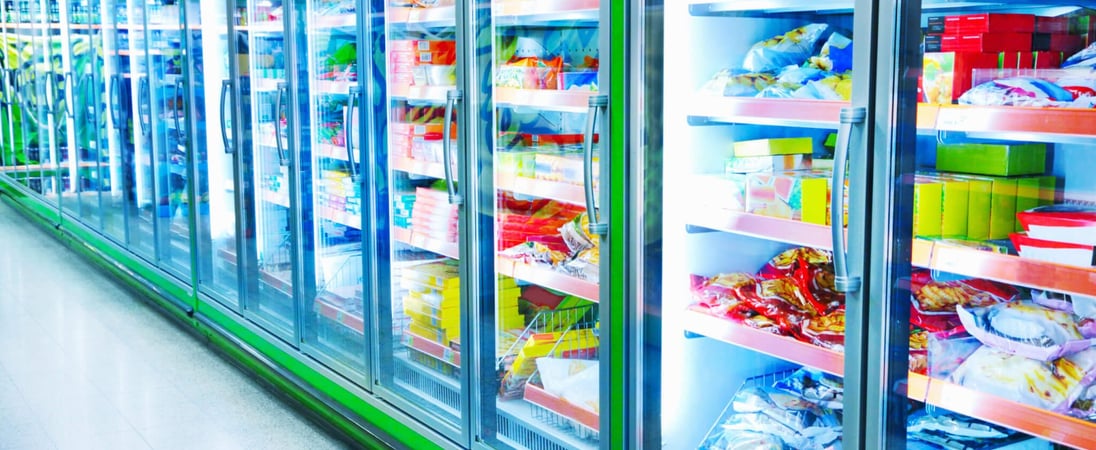
Celebrate National Frozen Food Day by looking around in the frozen foods section at a nearby grocery store or supermarket. The larger the store, the bigger the frozen food section is likely to be! Today, many brands and product lines have put their innovation to work to produce new healthy lines of frozen foods, paying attention to dietary habits and nutrition requirements. This has given way to many other alternative options such as gluten-free, vegan, non-dairy, etc.
Get Educated on Frozen Foods
Do a bit of research and learn some important facts about the benefits of frozen foods, including:
-
Freezing is the best method to preserve food. It keeps the food fresher than other methods, such as canning or drying.
-
Frozen foods are picked at the height of ripeness and flash frozen. This means that some of them may actually be more nutritious than “fresh” produce that has traveled for weeks to get to the grocery store. This same concept applies to frozen seafood.
-
Nutritious foods can be enjoyed year-round with the use of the freezing process, even in climates where produce does not grow well in the winter months.
-
Frozen foods do not require extra preservatives or sodium, making them no less healthy than fresh foods.
Enjoy a Meal with Frozen Foods
Especially during the wintertime, certain types of fresh produce can be more difficult to source, a bit more expensive, and may not last very long at home. Frozen foods are a great workaround for this issue.
A great way to take advantage of frozen foods during the end of the winter months is to combine them with fresh produce that might be in season, and make meals with the family unique, easy and healthy at the same time.
Join in on Frozen Foods Month
The NFRA in the US has declared the entire month of March to celebrate frozen foods! In light of this, the organization often creates campaigns and sweepstakes to raise awareness about the health benefits and convenience of frozen foods.
Be part of the fun by downloading coupons, entering their sweepstakes (up to $10,000 and other grocery prizes!), participating in giveaways or engaging in other activities promoted by this association. Share your ideas for food creations on a favorite social media website using the hashtag #frozenfoodday and let your friends know this day’s all about celebrating your favorite foods in the frozen section.
National Frozen Food Day FAQs
Are frozen fruits and vegetables as nutritious as fresh ones?
Research generally finds that frozen fruits and vegetables are at least as nutritious as their fresh counterparts and sometimes higher in certain vitamins.
Produce for freezing is usually picked at peak ripeness and blanched, then frozen quickly, which helps preserve nutrients. Water‑soluble vitamins like vitamin C and some B vitamins can decline over long storage or with repeated thawing, but minerals and fiber are largely unchanged.
Government guidance from agencies such as the U.S. Department of Agriculture encourages using frozen produce as a healthy option, particularly when fresh items are out of season or have had a long transport and storage time. [1]
How does freezing actually preserve food and prevent it from spoiling?
Freezing slows down almost all biological and chemical reactions in food by turning available water into ice.
Without liquid water, bacteria, yeasts, and molds cannot grow, and the reactions that cause flavor and texture to deteriorate are greatly reduced.
Freezing does not sterilize food or kill all microbes, but it keeps their activity so low that food can be stored safely for months if the packaging is airtight and the temperature stays at 0 °F (−18 °C) or below.
Once food is thawed, any surviving bacteria can become active again, which is why safe handling and cooking are still important.
Is it safe to refreeze food that has already been thawed?
Safety depends on how the food was thawed. Public health guidance indicates that food thawed in the refrigerator and kept at or below 40 °F (4 °C) can usually be refrozen safely, although there may be some loss of quality.
Food that has been thawed on the counter or in warm water, or has been held above refrigerator temperature for more than two hours, should not be refrozen because bacteria may have multiplied to unsafe levels.
Cooked dishes that have cooled promptly in the refrigerator can be portioned and refrozen, provided they have not been left in the temperature “danger zone” for too long.
Do frozen foods have more additives or preservatives than fresh foods?
Freezing itself acts as a preservation method, so many plain frozen fruits, vegetables, and meats contain no added preservatives at all, beyond antioxidants such as ascorbic acid (vitamin C) in some products to protect color and flavor.
However, prepared frozen meals and snacks often include added salt, sugar, sauces, or stabilizers to achieve a particular taste or texture.
Nutrition professionals therefore recommend reading ingredient lists and Nutrition Facts labels and distinguishing between minimally processed frozen foods, like plain vegetables or fish fillets, and more heavily processed ready meals. [2]
How does using more frozen food affect household food waste and the environment?
Studies in the United States have found that frozen items make up only a small fraction of household food waste, while large amounts of fresh produce are discarded because they spoil before being eaten.
Survey data show that most consumers feel frozen foods help them waste less food, and life‑cycle assessments suggest that, for some products, the lower waste rate can offset the extra energy needed for freezing and cold storage when looking at climate impact.
Researchers and industry groups note that using freezers strategically, such as freezing leftovers and surplus produce, can be an important tool for cutting food waste and associated greenhouse gas emissions. [3]
Does freezing change the taste or texture of food, and why are some foods affected more than others?
Freezing forms ice crystals inside foods, and their size and location determine how much texture changes after thawing.
In quick‑frozen products, very small crystals form and cause less damage to cell walls, so fruits and vegetables tend to keep better texture.
Slow freezing in a home freezer allows larger crystals to form, which can make some foods, especially watery produce like lettuce or cucumbers, turn soft or mushy when thawed.
Fatty foods and lean meats usually tolerate freezing well, while items with high water and delicate structure are more likely to lose their crispness.
Are frozen prepared meals a healthy choice for regular weeknight dinners?
Frozen prepared meals vary widely in nutritional quality. Some are designed to be lower in sodium, saturated fat, and added sugars and to include vegetables, whole grains, and lean protein, while others are high in salt and calories and low in fiber.
Dietitians suggest checking portion size, sodium content, saturated fat, and added sugars on the label and pairing a frozen entrée with extra vegetables or a salad.
Used selectively and balanced with other whole foods, frozen meals can fit into a healthy eating pattern, but relying heavily on highly processed options is not recommended.
Also on ...
View all holidays
National Oreo Cookie Day
With its perfect ratio of crunchy cookies and creamy filling, it's no wonder it's America's favorite cookie. Twist, lick, and dunk away!


National Dress in Blue Day
Sporting a hue that symbolizes hope and unity, it's a powerful way to stand together and support the fight against cancer.

National Employee Appreciation Day
Recognizing hard work and dedication, showing gratitude with a genuine smile, a small gesture that boosts morale and fosters a positive workplace vibe.