
Skate Punk culture is in full bloom, and there are skate parks appearing all over the world as this sport takes on a growing popularity.
We thought we had seen it peak with video games and skateboarding greats like Tony Hawk, but that was really just the beginning.
Controversy surrounds it, with bumper stickers that carry such slogans as “Skateboarding Isn’t A Crime”.
If you’ve never been skateboarding, get on out into the world and start learning the glories of this amazing sport. After all, if you can’t beat them, Go Skateboarding Day is your opportunity to join them.
How to Celebrate Go Skateboarding Day
Seriously, do we even need to answer this question? It’s right there in the name, get out there and grab your favorite board and Go Skateboarding on Go Skateboarding Day!
Get a New Skateboard
There’s a hundred million different designs, and if you’ve never gone skateboarding this is your best opportunity to start!
Check out your local sports stores and find a board that really says ‘you’. Whether you prefer a longboard or a standard one, you’re going to have a great time learning how to speed through your day with this excellent sport.
Watch Video Tutorials
If you’re a complete beginner when it comes to skateboarding, do not fear! You can hit up a whole host of handy video tutorials online.
Use Go Skateboarding day as a way to kickstart a brand new hobby that you absolutely love. It takes time and practice to get up to speed with skateboarding, but don’t give up. It’s a well known fact that boards don’t cooperate in the beginning, so keep this in mind!
Once you find your flow, you will soon get the hang of it. As soon as you’ve mastered the basics, you can start with the more complex tricks!
Learn Health Benefits of Skateboarding
There are some amazing health and social benefits to skateboarding that you might not know about.
Not only does it help you burn calories as part of a great exercise routine, but it can also build core muscles in your legs and torso. Slaving away at the gym is so yesterday when you got a skateboard close by!
Skateboarding is also an amazing stress reliever; many people who suffer from anxiety can use skateboarding to give them a sense of freedom and release.
It can also keep your mind busy and encourage you to get outdoors when you aren’t in the greatest of moods.
Try Some Cool Tricks
Before you try and master any grand tricks, you need to accurately learn the techniques involved in skateboarding.
You need to be able to balance, push, 10 and execute positive falls. As soon as you have mastered these simple moves you can move on to the fun stuff! Here are some of the easiest but coolest skateboarding tricks you could try if you have never given it a go before:
- The Tick Tack: This is probably the first trick you should try out as a beginner. “Tick Tacking” will come naturally as soon as your balance and agility skills come into play. This move is essentially moving from side to side as the cruise along the pathway on your skateboard.
- The Kick Flip: If you are a beginner this is the trick for you! This involves lifting up the wheels of your board up to 180° off the ground. You simply raise the nose of the skateboard and slip it round quickly and accurately!
- The Heel Flip: In this trick you raise the nose of the board with your back foot. Using your back foot to lift the face of your skateboard up from the ground as you jump; as you’re up in the air place your thumb for it on the nose of the board and flick it up. Make sure you use your feet to land straight back on the board once you have completed the flip!
Make sure you check out some video tutorials to improve your skateboarding skills and see some of these funky tricks in action! Whether you’re just starting out or completely new, there will always be some form of skateboarding trick for you to try out.
Don’t forget to wear knee and elbow pads and a helmet, it’s Go Skateboarding Day, not Go To The Hospital Day!
Go Skateboarding Day Timeline
From Crate Scooters to Sidewalk Surfing
Surfers and kids in California and Hawaii begin riding homemade boards with roller‑skate wheels, evolving from “crate scooters” into the first skateboard-style “sidewalk surfing.”
First Mass‑Produced Skateboards Hit the Market
Commercially manufactured skateboards with clay or composite wheels appear in U.S. shops, turning a street pastime into a consumer product and seeding a new industry.
Skateboarding’s First Boom and “Sidewalk Surfing” Craze
Fueled by surf culture, brands like Makaha and Roller Derby promote skateboards, contests are held, and “sidewalk surfing” becomes a national fad before safety worries trigger a decline.
Frank Nasworthy Introduces Polyurethane “Cadillac Wheels”
Engineer Frank Nasworthy launches Cadillac Wheels, using polyurethane to give boards smoother, grippier rides, widely credited with sparking skateboarding’s 1970s revival.
Alan Gelfand Lands the First Ollie
Florida skater Alan Gelfand invents the hands-free aerial “ollie” in pool skating, a foundational move that makes modern street tricks and technical skateboarding possible.
Rodney Mullen Revolutionizes Flatground Street Skating
Freestyle prodigy Rodney Mullen adapts the ollie to flatground and invents key flip tricks like the kickflip, heelflip, and 360 flip, defining the language of street skating.
X Games Bring Skateboarding to Global TV Audiences
ESPN’s inaugural Extreme Games (later X Games) features skateboarding, broadcasting vert and street contests worldwide and helping cement skating as a major action sport and youth culture.
History of Go Skateboarding Day
This event was started by co-creators Don Brown and Per Welinder, with the first celebration taking place in 2004. Go Skateboarding Day has been aligned with the International Association of Skateboard Companies (IASC) since its inception.
Skateboarding is a sport with a long history, starting off with some of the most basic of designs, wooden boxes and boards with wheels. Originally they were formed from Crate Scooters, which were pretty much exactly what they sounded like, wheels attached to a wooden crate with a pair of rudimentary handlebars.
By the time the 1950’s rolled around it had taken on an indelible bond with surf culture, so much so in fact that it was called “sidewalk surfing” and the skaters of that time took to embodying surfers culture without hesitation.
The real revolution for the sport happened in the 1960’s, when skateboarding started taking on a larger and larger following. The first competition was started in 1965, and John Steverson said of this era:
Today’s skateboarders are founders in this sport—they’re pioneers—they are the first. There is no history in Skateboarding—it’s being made now—by you. The sport is being molded and we believe that doing the right thing now will lead to a bright future for the sport.
Already, there are storm clouds on the horizon with opponents of the sport talking about ban and restriction. The sport has gotten so incredibly popular in the years that followed, and now more people under 18 have picked up the skateboard than played baseball. That’s a sport come into its prime!
Facts About Go Skateboarding Day
Concrete Helped Turn “Sidewalk Surfing” Into Street Skating
Modern street skateboarding grew out of skaters reimagining everyday concrete architecture as terrain, from Los Angeles schoolyard banks to San Francisco’s Embarcadero plazas and New York’s Brooklyn Banks.
Instead of relying only on skateparks, riders used handrails, ledges, stairs, and banks built for pedestrians, which pushed board design toward the symmetrical “popsicle” deck and made the ollie and flip tricks central to the discipline.
Polyurethane Wheels Sparked a 1970s Skateboarding Revival
The introduction of cast polyurethane (urethane) wheels in the early 1970s transformed skateboarding from a shaky ride on metal or clay wheels into a smoother, more controllable activity.
Urethane’s grip and shock absorption let skaters carve backyard pools and steep hills with far more speed and confidence, creating the foundation for modern park, vert, and downhill styles.
The Ollie Made Modern Street Tricks Possible
Before the late 1970s, most aerial skateboard tricks required grabbing the board with a hand. Skater Alan Gelfand’s invention of the ollie, a no-hands jump where the tail snaps against the ground to lift board and rider together, gave skaters a way to pop onto curbs, rails, and ledges.
Nearly every modern street trick, from kickflips to big stair sets, builds on that single technical breakthrough.
Skateboarding Now Has an Olympic Stage
Skateboarding shifted from counterculture pastime to recognized sport when it joined the Olympic program at the Tokyo 2020 Games, with park and street contests for men and women.
World Skate, the international federation, oversees Olympic qualification, and the IOC promotes skateboarding as part of its push to attract younger audiences and spotlight urban, youth-oriented sports.
Cities Are Learning That Skate Spots Can Revive Public Space
Urban planners in cities like San Francisco and Paris have begun deliberately designing “skateable” plazas and ledges instead of trying to exclude skateboarding.
Reporting on these projects shows that when skaters are welcomed rather than pushed out, previously empty or unsafe corners often become busier, more social places that feel safer for a wider range of residents.
Skateboarding Has Left a Lasting Mark on Fashion
What started as practical skatewear in 1970s and 1980s California—loose T‑shirts, sturdy sneakers, and roomy jeans that would not rip on concrete—has become a template for global streetwear.
Brands rooted in skate shops and scenes helped normalize baggy silhouettes, logo-heavy graphic tees, and vulcanized shoes, influencing everyone from luxury designers to mainstream sneaker lines.
Punk and Hip‑Hop Shaped the Soundtrack of Skate Culture
Skate videos and sessions have long been tied to music, first with the surf rock and garage bands of the 1960s, then with the hardcore and skate punk of the 1980s, and later with hip‑hop and alternative acts.
Curated soundtracks in brand videos and DIY edits helped cement bands like Suicidal Tendencies in skate lore and turned skate media into an important channel for discovering underground music.
Go Skateboarding Day FAQs



You may also like
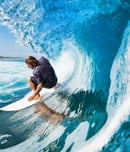
International Surfing Day
Hit the waves on International Surfing Day, or volunteer or donate to help clean up the oceans and keep them clean and surf-friendly for years to come.
- Australia
- Brazil
- France
- and 2 more

Skate Shop Day
Skate Shop Day celebrates the heart of every skate scene—the local shop. These spots aren't just stores; they're hangouts, launchpads, and lifelines. Friends swap stories, grab new gear, and talk tricks. The vibe is real, grounded, and full of energy. Skaters old and new stop by to say thanks, grab something...
- United States
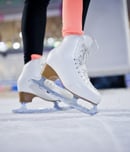
National Skating Month
Graceful glides on frozen surfaces, a dance with winter's embrace, where blades carve elegant stories in ice.
National Flip Flop Day
Celebrate National Flip Flop Day by slipping into sandals, sipping smoothies, and supporting charities like Camp Sunshine in a fun, feel-good summer tradition.
- United States
National days and holidays on June 21

Summer Solstice
It's the day with the most sunshine, the longest day of the year. Celebrate the official start of summer with outdoor fun!
- Canada
- Sweden
- United Kingdom
- and 1 more

World Music Day
From Beethoven to Taylor Swift, there’s music for everyone. Revisit your old favorites or discover new artists from different cultures on World Music Day.
- Canada
- France
- India
- and 2 more

National Peaches ‘N’ Cream Day
Incredibly simple but oh so delicious, the combination of peaches and cream is sure to delight your friends and family, not to mention your own taste buds.
- Australia
- Canada
- United States

National Turkey Lovers’ Day
No need to wait until Thanksgiving to enjoy a delicious turkey. This is your chance to do up a bird in the oven, gather your friends and family, and dig in.
- Canada
- United Kingdom
- United States
Seize Every Day
Join free for personalised recommendations, email reminders and exclusive guides. Never miss a day.