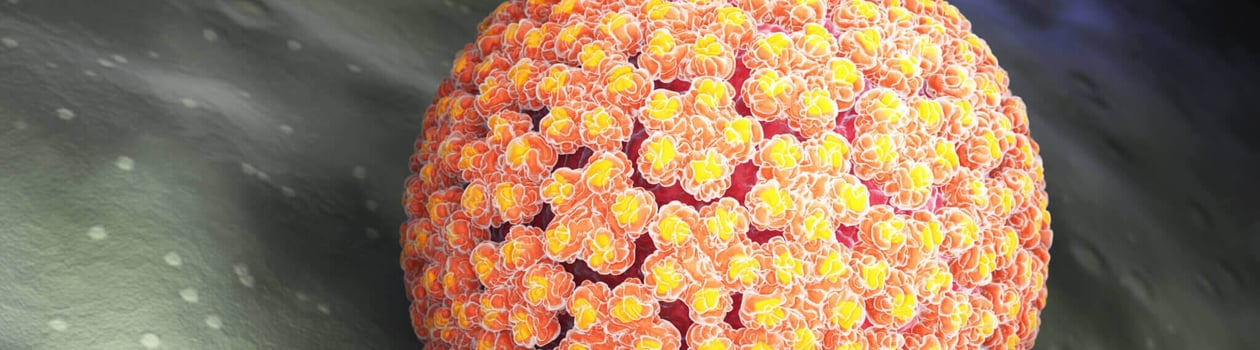
HPV Awareness Day focuses on a virus that many people carry without knowing it.
Human papillomavirus, or HPV, spreads easily through close contact. It doesn’t always cause symptoms, so it often stays hidden.
But even when it’s quiet, it can lead to serious problems. This day encourages people to learn what HPV is, how it spreads, and why that matters. Talking about it can help stop the confusion and fear that often surround it.
HPV can cause more than just skin issues. In some cases, it leads to cancer in the cervix, throat, or other parts of the body. That sounds scary, but the tools to stop it are already here.
Vaccines protect against the most harmful types, and screenings catch signs early. Still, many don’t know they’re at risk or that help exists. HPV Awareness Day gives people a chance to learn and take action for their health.
HPV Awareness Day Timeline
Pap Smear Introduced
Greek physician Georgios Papanicolaou presents his method of using vaginal smears to detect cervical cancer cells, laying the groundwork for screening of HPV-related disease long before the virus itself is identified.
HPV Proposed as Cause of Cervical Cancer
German virologist Harald zur Hausen publishes work proposing that human papillomaviruses, rather than herpes simplex virus, are the main cause of cervical cancer, challenging prevailing views and redirecting research.
Oncogenic HPV Types Identified
Zur Hausen’s team identifies HPV-16 in cervical cancer tissues, soon followed by HPV-18, providing direct molecular evidence that specific HPV types are strongly linked to cervical cancer.
Virus-Like Particles Pave Way for Vaccines
Researchers Jian Zhou and Ian Frazer create self-assembling HPV virus-like particles that mimic the outer shell of the virus, forming the technological basis for the first highly effective prophylactic HPV vaccines.
First HPV Vaccine Approved
The U.S. Food and Drug Administration approves Gardasil, the first quadrivalent HPV vaccine, for use in girls and young women, marking a major step in preventing cervical and other HPV-related cancers.
Nobel Prize for HPV–Cancer Discovery
Harald zur Hausen receives the Nobel Prize in Physiology or Medicine for discovering that human papillomaviruses cause cervical cancer, cementing the role of HPV as a major human carcinogen.
Nine-Valent HPV Vaccine Licensed
The FDA approves Gardasil 9, a nine-valent HPV vaccine that protects against additional high-risk HPV types, broadening protection against cervical and other HPV-associated cancers.
How to Celebrate HPV Awareness Day
Here are a few lively and helpful ways anyone can take part in HPV Awareness Day and make a real difference.
Start With a Conversation
Talk to someone you trust about HPV. Ask questions, share what you know, and listen without judgment. Honest talks can clear up common myths.
Speak to your partner, family member, or friend. These chats open doors to better choices.
Book a Health Check
Make an appointment with your doctor or clinic. Ask about screenings or the HPV vaccine. Regular checkups catch warning signs early.
If you’ve never asked before, now’s the time. A short visit can bring peace of mind.
Share on Social Media
Post a quick fact or helpful article. Choose your words carefully to keep it simple and kind. Add a personal note if you’re comfortable.
Social feeds reach people you might never meet. Your post could be the reason someone learns something new.
Wear a Symbol
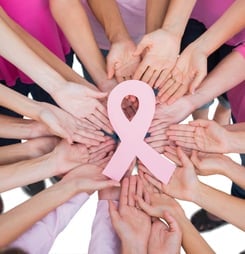
Pick something purple or use a small ribbon. Add it to your outfit or bag. When someone asks, explain what it means.
Small symbols often spark good questions. You don’t need a big speech—just a short reply works.
Join a Local Event
Look for talks, walks, or online panels. Bring a friend or go solo. Community events often feature doctors, survivors, and advocates. You might leave with a new perspective.
Sharing the space can help others feel less alone.
History of HPV Awareness Day
HPV Awareness Day began in 2018. The International Papillomavirus Society (IPVS), a group of scientists and health experts, started it.
They saw a growing need for clear, trusted information about human papillomavirus. Their goal was to help people understand the virus, its risks, and how to prevent related diseases.
Many still don’t know that HPV is one of the most common infections in the world. It spreads through close contact and can lead to serious health problems, including several types of cancer.
The IPVS believed that better awareness could save lives. So they launched a worldwide effort to bring HPV out of the shadows.
The first year focused on breaking the silence. Campaigns used simple messages, bright visuals, and real voices to connect with people.
Doctors, teachers, parents, and young adults all joined in. Since then, the reach has only grown. Health centers, schools, and community groups across many countries now take part every year.
Social media also plays a big role. Online posts, videos, and live events help reach younger audiences. The message stays strong: learn the facts, talk openly, and take steps to protect your health.
HPV Awareness Day has become a global reminder that knowledge can lead to action.
Facts About HPV Awareness Day
HPV Is One of the Most Widespread Infections in the World
Human papillomavirus is so common that more than 80% of sexually active women and men are estimated to acquire at least one HPV infection by age 45.
Large global reviews suggest that about 11% to 12% of women with normal cervical screening results are infected at any given time, with the highest prevalence found in parts of sub-Saharan Africa, Eastern Europe, and Latin America.
A Small Group of HPV Types Causes Most Cervical Cancers
Although more than 200 HPV types have been identified, a handful of “high-risk” strains cause the vast majority of HPV-related cancers.
Worldwide, HPV types 16 and 18 alone are estimated to be responsible for about 70% of all cervical cancer cases, which total more than 600,000 new diagnoses and over 340,000 deaths every year.
HPV Also Drives Several Non‑Cervical Cancers
HPV is best known for its role in cervical cancer, but it contributes to multiple other malignancies. Globally, HPV is implicated in roughly half of penile cancers, nearly 80% of penile precancerous lesions, around 90% of anal cancers, and a substantial fraction of oropharyngeal (throat) cancers, particularly those linked to HPV16.
Men Carry HPV at Rates Comparable to Women
For many years, HPV research focused on women, yet recent meta-analyses show that about one in three men worldwide has a genital HPV infection at any moment, and about one in five carries a high‑risk cancer‑causing type.
Prevalence in men remains relatively high across adult age groups, which helps explain why HPV continues to circulate even in settings with robust cervical screening.
The First HPV Vaccines Emerged From Virus‑Like Particle Technology
Modern HPV vaccines do not contain live virus. They use “virus‑like particles,” which are empty shells made from a single HPV protein that teach the immune system to recognize the virus.
This approach, developed in the early 1990s, led to the first licensed vaccines in 2006 and 2007 and underpins today’s 9‑valent vaccine that protects against nine different HPV types.
Real‑World Data Show Sharp Drops in Precancerous Lesions After Vaccination
Countries that introduced HPV vaccination more than a decade ago have documented major declines in HPV infections and early signs of cancer.
Large population studies report reductions of up to 80% or more in high‑grade cervical precancers among vaccinated cohorts, as well as steep falls in genital warts in both young women and men where coverage is high.
Global HPV Vaccination Coverage Still Lags Behind Need
Despite the availability of safe and highly effective vaccines, HPV vaccination coverage remains uneven worldwide.
Estimates compiled by international cancer researchers suggest that as of the early 2020s, only about 15% of girls and roughly 4% of boys globally had completed the recommended HPV vaccine series, with the lowest uptake in many low‑ and middle‑income countries where cervical cancer burden is highest.