Canada’s National Indigenous Peoples Day
Learn about the various cultures and traditions of Canada’s Indigenous People, or join an event or ceremony to see how they have been preserved over time.
The culture, language and social systems of the original inhabitants of our world have had a significant impact on how we live our lives today. Canada’s National Indigenous Peoples Day is all about focusing on the contribution that these groups have made to our societies and helping people to learn about their heritage and culture.
By celebrating this day, we can help keep Indigenous languages, traditions and culture alive for future generations!
How To Celebrate Canada’s National Indigenous Peoples Day
Learn About Culture and Traditions
This is the perfect time to learn about different Indigenous Peoples and their cultures and traditions. For example, in Canada, this day celebrates the First Nations, Inuit and Métis cultures. Why not learn about the Michif language of the Métis, or find out more about the storytelling traditions of the Inuits?
Learning about the separate cultures will help us to understand how each independent group contributed to many of the things in society we take for granted today.
Get Involved in Events
Consider getting involved in a local event and participate in a traditional feast or experiencing a sacred ceremony. Dive right in and download some of the online material – why have some fun with family and friends and learn about Indigenous Peoples in the process? If you don’t have an event near you, why not host your own and reach out to the local Indigenous community for some assistance.
Learn More History
Learning about the history of Indigenous Peoples is also part of understanding why a day of celebration is so vital for preserving cultures today. From land disputes to reconciling with Governments across the world, the story for all Indigenous Peoples has not been an easy one.
Luckily now we can preserve and enjoy all Indigenous cultures and appreciate the vast contribution that has been and is still being made today. So get stuck in, participate in a traditional event and learn all you can about different cultures. Help us send a big thank you to the original inhabitants of our planet for making it what it is today.
Learn About Canada’s National Indigenous Peoples Day
The day officially first began in Canada in 1996, to celebrate the contributions and history of the Métis, Inuit and First Nation peoples. Since then, the day has been observed and celebrated internationally.
Originally organized on the Summer Solstice (when the different peoples sometimes celebrate their heritage on the longest day of the year), the day’s events often include traditional feasts from each Indigenous People, festivals, dances, and the opportunity for people of all ages to learn about traditions, spiritual beliefs and culture. You might be lucky enough to see a sacred fire extinguishing ceremony or participate in a feast with a traditionally prepared meal.
It’s all about bringing people together from different walks of life to share in the contributions of Indigenous People to our society. You’ll find an eclectic mix of contemporary and traditional music while learning about how Indigenous Peoples helped to develop our agriculture, language and social customs. The day is also about how governments are creating crucial partnerships with Indigenous Peoples to protect their land, heritage and culture in modern times.
You can all get involved as the website has educational material for the whole family. There are also awareness events hosted in schools and local communities. If people want to get more involved they can even submit their ideas to get them registered as part of the event, so there are hundreds of opportunities to get involved. It also forms part of more extensive celebrations over an entire month that includes days like Multiculturalism Day and overall, aims to celebrate people from all walks of life and culture.
History of Canada’s National Indigenous Peoples Day
The day was officially recognized in Canada by the Governor-General of Canada Roméo LeBlanc in 1996. A year earlier in 1995, the Royal Commission on Aboriginal Peoples put forward the idea for the day to be created. The Royal Commission on Aboriginal Peoples was a Commission put forward to reconcile the relationship between the Métis, Inuits and First Nation peoples and the Canadian Government. In 1996, Aboriginal Day was born, later changed to Canada’s National Indigenous Peoples Day in 2017.
In 1995, it wasn’t just the Royal Commission on Aboriginal Peoples that suggested the day should be celebrated. A team of non-Indigenous and Indigenous peoples gathered and named themselves the Sacred Assembly. Chaired by Elijah Harper (Canadian Politician and Chief of the Red Sucker Lake First Nations) they called for a day for Indigenous Peoples to be celebrated and recognized for their contributions to our society. In 1982, what is now known as the Assembly of First Nations, set the path for the creation of this day, which led to Quebec recognizing the day as early as 1990.
However, there has been chatter about creating this day since 1945, when the day was first termed as ‘Indian Day’ by First Nation Chiefs, led by Jules Sioui. Jules Sioui was part of Huron Wendake First Nation and led two conventions during World War II which started to challenge the rights of Indigenous Peoples. The first meeting was chaired in 1943 in Ottawa and was attended by 53 people. The conference grew remarkably, and in 1944 was attended by four times as many people. Since then calls for a day of recognition have gained increasing traction and popularity.
Meanwhile, in late-1970s America, an International Conference began to suggest that America should host a celebration of its Indigenous peoples on Columbus Day. In 1989, it was first celebrated by South Dakota, and by 2019 was observed by multiple towns and states, including Louisiana, Dallas and Vermont. Brazil has also been celebrating since 1943, by decree of the then President, Getúlio Vargas. The UN also launched International Day of the World’s Indigenous Peoples in 1994, celebrating worldwide contributions from global Indigenous populations.
The United Nations had issued a Declaration on the Rights of Indigenous Peoples (UNDRIP) in 2007, which aimed to create a global framework for the preservation, dignity and well-being of each Indigenous culture. This process started in 1982, when the UN created the Working Group on Indigenous Populations, to discuss the discrimination that Indigenous Peoples had faced worldwide.
Also on ...
View all holidays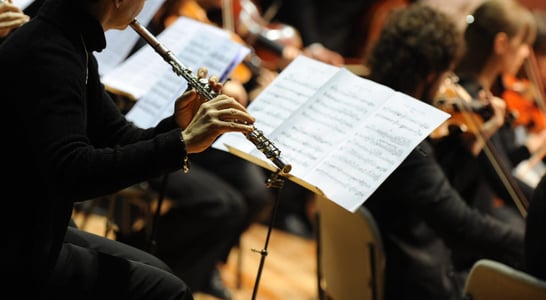
World Music Day
From Beethoven to Taylor Swift, there’s music for everyone. Revisit your old favorites or discover new artists from different cultures on World Music Day.
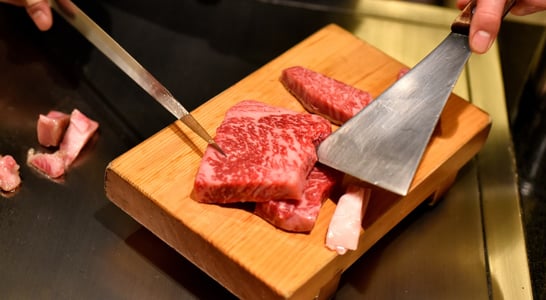
Wagyu Day
With its tender texture, this premium beef creates a melt-in-your-mouth sensation, leaving taste buds in a state of pure delight.

National Smoothie Day
A delicious and refreshing drink that's perfect for any time of day, packed with nutrients and flavor — it's the ultimate healthy indulgence!

International Yoga Day
Yoga benefits both your mental and physical health, and can be done just about anywhere. Sign up for a class, or perhaps find a Youtube tutorial to get started.