International Day of the African Child is a global moment of attention for the rights, safety, and potential of children across Africa.
Communities, educators, charitable organizations, NGOs, and governments use the day to recognize the bravery of young people who have demanded fair treatment, and to spotlight practical work that helps children learn, grow, and thrive.
It is also a reminder that “childhood” is shaped by more than family life. School quality, public safety, health care access, disability support, and the ability to be heard in decisions all affect whether children can develop with dignity.
Observing the day with care means keeping children at the center: their experiences, their hopes, and their right to protection.
How to Celebrate International Day of the African Child
International Day of the African Child can be observed in ways that are thoughtful, useful, and respectful, whether someone is part of a school community, a workplace, a faith-neutral service group, or simply a person who wants to be better informed.
The most meaningful celebrations tend to share a few traits: they center children’s voices, they stick to credible information, and they translate good intentions into actions that actually help.
A helpful starting point is to think of the day as having two lanes that run side by side. One lane is remembrance, honoring students who stood up to injustice. The other is responsibility, asking what needs to change so children’s rights are protected not just on paper, but in everyday life.
Join International Day of the African Child Events
Many organizations mark the day with events designed to educate, listen, and plan. Depending on who is hosting, these gatherings can range from school assemblies and community discussions to professional forums focused on policy and services for children.
Virtual options, including webinars and panel discussions, make it possible for people to participate from anywhere, which is particularly useful for diaspora communities and international supporters.
Events often focus on themes that come up repeatedly in child rights work, such as:
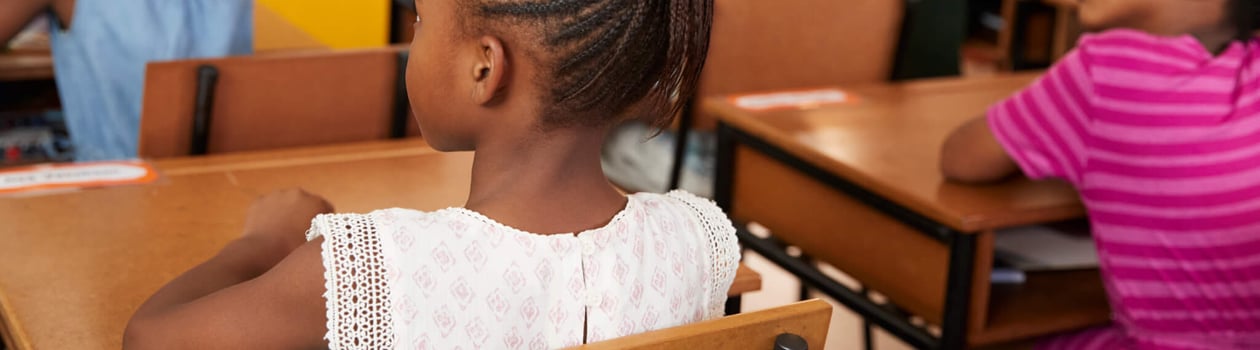
- Access to quality education: not only whether children enroll, but whether they have trained teachers, safe classrooms, learning materials, and the ability to stay in school.
- Protection and safety: reducing violence, exploitation, trafficking, and harmful practices that endanger children.
- Health and well-being: including nutrition, mental health support, and adolescent health education.
- Participation: making sure children are heard in decisions that shape their lives, from school rules to community planning.
At a continental level, the African Committee of Experts on the Rights and Welfare of the Child (ACERWC) is closely associated with the day and commonly convenes dialogues and consultations connected to children’s rights frameworks in Africa.
National and local partners often mirror that approach by creating spaces where children and adults can speak frankly with one another, ideally with trained facilitators and clear ground rules that keep discussions safe and respectful.
For participants, a good rule of thumb is to show up ready to listen and learn, not to “solve” everything in a single afternoon. Child rights work is long-haul work, and events are most productive when they lead to specific next steps, such as a school improvement plan, a local donation drive for educational materials, or a commitment to safer reporting pathways for abuse.
Learn Facts About International Day of the African Child
One way to show respect and honor on the International Day of the African Child might be to get more educated and informed about some of the events surrounding the day. Perhaps it would be a good idea to share some facts on social media in an effort to raise awareness about this important day.
Do a little bit of online research, or check out some of these facts to get started with:
Over half of the world’s 57 million children live in sub-Saharan Africa, where one in six children do not live to reach their fifth birthday
By 2050, it is estimated that almost one in three of the children on the globe will reside in sub-Saharan Africa
While some African countries have high school enrollment rates (98% in Tanzania), Eritrea has only 37% for boys and 34% for girls
Learn More With Care and Share Responsibly
Learning is one of the most practical ways to honor this day because it prevents a common trap: treating “Africa” as a single story. The continent is vast, diverse, and shaped by many different languages, education systems, and child welfare realities.
Some countries have made major gains in school participation and child health, while others face steep barriers linked to poverty, conflict, displacement, or under-resourced services. Understanding that complexity helps supporters choose better actions and avoid stereotypes.
A respectful approach is to learn about both children’s rights and the systems that deliver those rights. Rights are not only ideals; they depend on everyday structures like teacher training, school transportation, birth registration, child protection services, accessible clinics, and safe ways to report harm.
It also helps to focus on the difference between awareness and impact:
- Awareness explains what is happening and why it matters.
- Impact looks at what reduces risk and expands opportunity, such as improving school safety, strengthening social services, or supporting caregivers.
When sharing information, fewer, better-supported points usually land better than a flood of alarming claims. If a post highlights a problem, it can also highlight a solution or a credible local effort, so the message does not slip into hopelessness or pity.
Most of all, children’s dignity should come first, which means avoiding graphic images and not using children’s stories as “content” without consent and context.
Support Children Through Trusted, Community-Led Work
Supporting reputable organizations financially can make a real difference, especially when donations are consistent and informed. People who donate can look for charities that clearly explain how funds are used, how programs are evaluated, and how communities are involved in decisions.
Transparency matters because children’s rights work touches sensitive areas, and effective programs are usually built with local expertise rather than imposed from the outside.
When choosing an organization to support, it helps to match the donation to a specific focus:
- Education access and learning support (including materials and teacher development)
- Health and nutrition (including preventive care and adolescent health education)
- Child protection (including case management, safe reporting, and survivor support)
- Disability inclusion (including accessible learning and assistive services)
- Support for children affected by displacement or emergencies
Financial support is not the only option. People can also contribute by fundraising within a school or workplace, organizing a supply drive based on what a partner organization says it needs, or offering skills-based help that strengthens long-term capacity.
For example, educators can support teacher training efforts, and finance professionals can help nonprofits tighten budgeting and reporting so services are more reliable.
International Day of the African Child Timeline
Bantu Education Act in South Africa
South Africa’s apartheid government passes the Bantu Education Act, creating a racially segregated and inferior schooling system for Black children that helps set the stage for later student resistance.
Soweto Student Uprising
Thousands of Black schoolchildren in Soweto march against apartheid education policies and the enforced use of Afrikaans in schools; police fire on the unarmed students, and the protest becomes a powerful symbol of African youth resistance.
UN Convention on the Rights of the Child Adopted
The UN General Assembly adopts the Convention on the Rights of the Child, the first comprehensive global treaty setting out children’s civil, political, economic, social, and cultural rights, including the right to education.
African Charter on the Rights and Welfare of the Child Adopted
The Organization of African Unity adopts the African Charter on the Rights and Welfare of the Child, a regional human rights treaty that reflects African realities and guarantees every child the right to education and protection from harmful practices.
African Children’s Charter Enters into Force
After receiving the required 15 ratifications, the African Charter on the Rights and Welfare of the Child enters into force, making its protections for African children, including free and compulsory basic education, legally binding on participating states.
History of International Day of the African Child
International Day of the African Child has been observed for decades, and it carries a specific, powerful history. It was established by the Organization of African Unity (OAU) in 1991, an institution later succeeded by the African Union.
The purpose was not simply symbolic. The day was created to keep public attention on children’s rights and to honor the children who took part in one of the most significant student-led protests of the twentieth century: the Soweto Uprising of 1976.
The Soweto Uprising began as a protest led by Black schoolchildren against the apartheid regime’s discriminatory education system in South Africa. Under apartheid, education for Black students was systematically underfunded and designed to limit opportunity. Policies around the language of instruction added another layer of injustice.
Many students objected strongly to being forced to learn certain subjects in Afrikaans, a language closely associated with the apartheid government’s power. Students and families argued that the policy made learning harder and represented a blunt form of cultural and political domination.
On June 16, 1976, thousands of students marched in Soweto. Estimates vary, and the exact number is debated, but the scale was massive for a student-led action, and the message was clear: young people were refusing to accept an education system built to hold them back.
What began as an organized protest was met with a violent police response. The day became marked by gunfire, chaos, fear, and grief as children were killed and many more were injured.
The images and stories that emerged from Soweto helped shift public understanding of apartheid, not just within South Africa but globally. The uprising also underscored a reality that can be uncomfortable for adults: children are not only passive recipients of policy decisions. They are capable of organizing, speaking, and insisting on their dignity.
When the OAU created International Day of the African Child, it was intended to honor that courage and to highlight that the struggle for children’s rights did not end with a single uprising. The day has continued as a platform to examine progress and gaps in how children are treated, educated, protected, and included in decisions that affect them.
Over time, the observance has also become closely tied to broader child rights frameworks on the continent, including the African Charter on the Rights and Welfare of the Child. That charter emphasizes rights that many people recognize in principle, but that always require effort to deliver in practice: survival and development, education, protection from abuse and exploitation, and participation in matters that affect children’s lives.
In that spirit, the day is often used to push for practical improvements, not just statements of support. It encourages schools, local leaders, service providers, and policymakers to ask hard questions: Are classrooms safe?
Can children with disabilities access learning? Do families have realistic pathways to health care and nutrition support? Are there trusted systems to prevent violence and respond when harm happens? Can children speak up without being punished?
Although the day is rooted in a specific historical event, it has grown into something broader: a reminder that protecting children’s rights requires sustained attention. It is also a cue to celebrate children’s resilience and creativity, and to treat their voices as essential, not optional, when shaping the future.