
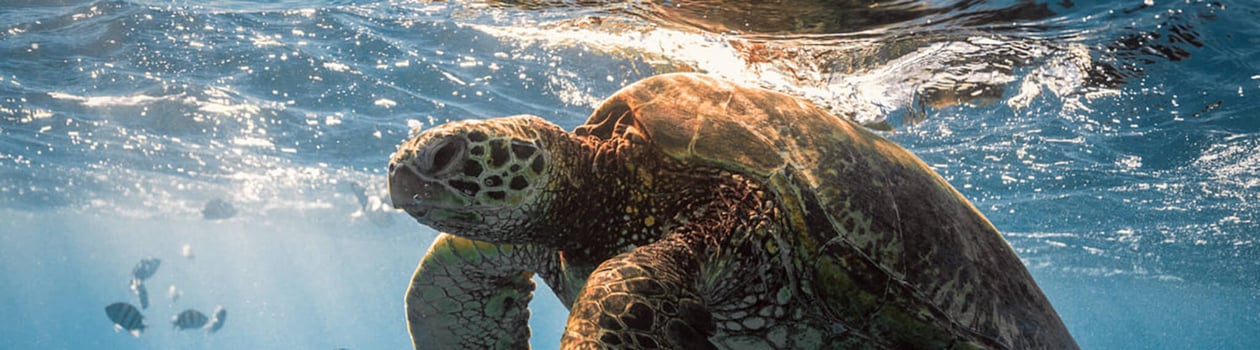
Sadly, the vast majority of sea turtle species have been categorized as either endangered or critically endangered. These aren’t just charismatic ocean wanderers with built-in armor.
Sea turtles are hardworking ecosystem helpers, shaping seagrass meadows, supporting healthy coral reefs, and moving nutrients between land and sea every time a nesting female hauls herself up the beach.
Human activities such as hunting for sea turtles, plastic and chemical pollution, irresponsible fishing practices, coastal development, light pollution and other issues, as well as climate change, are all contributing to the reduction in sea turtle populations.
Because sea turtles are long-lived and slow to mature, losses can echo for decades. A population can look “fine” for a while, right up until it suddenly isn’t.
World Sea Turtle Day is here to bring attention to the plight of these fascinating marine animals and encourage people to act more responsibly not only on this day, but all throughout the year.
It’s also a good excuse to learn what actually helps, since sea turtle protection is often less about grand gestures and more about small, consistent choices that reduce threats at every life stage.
How to Celebrate World Sea Turtle Day
Check out some of these ideas and activities for getting involved with World Sea Turtle Day:
Learn and Share Sea Turtle Day Facts
Sea turtles lay eggs in the sand and their gender is determined by the temperature: cool results in males, warm in females, and a fluctuating temperature produces a mix of both
This is called temperature-dependent sex determination.It’s one of the reasons warming beaches matter so much. If sand temperatures rise enough over time, nests can skew heavily female, which can make it harder for populations to stay balanced in the long run.
Conservation teams sometimes monitor nest temperatures and, in specific situations, use shade or relocation strategies to keep nests viable. The big picture lesson is simple: beach conditions are not just scenery, they are the nursery.
Unlike other turtles, sea turtles cannot retract their heads and flippers into their shells. Sea turtles traded that “hide in the shell” move for speed and power.
Their flippers are built for long-distance swimming, not for folding away. That makes them especially vulnerable to entanglement in fishing line, nets, and other debris.
It also explains why a sea turtle’s shell is more streamlined than many freshwater turtles. They are built like marathon swimmers, not like walkers.
Only a small percentage of sea turtle eggs survive to adulthood, but those who do can live approximately 50 and 100 years.
The early-life obstacle course is intense. Eggs and hatchlings face predators, rough surf, and the simple challenge of finding food in an enormous ocean. Add artificial lights, beach traffic, and plastic pollution, and those odds get even tougher.
For the survivors, longevity is part of the strategy: sea turtles can reproduce across many years, but only if they make it that far. This is why protecting adults, especially nesting females, can have an outsized impact.
Beyond the fun facts, sharing the “why” tends to stick. Sea turtles aren’t just cute. They are indicators of ocean health, and their challenges often reflect broader problems that affect fisheries, coastlines, and other wildlife, too.
Participate in Beach Cleanups
Those who live near the water can observe World Sea Turtle Day by making a difference in their lives through a beach clean-up day!
Beaches that are associated with state parks may host special beach cleanup events that invite the community to get involved in picking up plastic, trash, and other rubbish that finds its way into the water.
A cleanup can be as organized or as casual as needed, but a little strategy makes it more effective:
- Focus on the small stuff. Bottle caps, food wrappers, cigarette butts, and tiny plastic fragments are easy to miss and hard to remove once they wash into the surf. Those small pieces can be mistaken for food by marine animals.
- Watch for fishing line. Monofilament line is thin, nearly invisible, and dangerous. Many coastal areas provide dedicated bins for line recycling or safe disposal.
- Wear gloves and bring a sturdy bag or bucket. This is partly for hygiene and partly because sharp objects and jagged plastic love to hide in sand.
- Leave the beach turtle-ready. On nesting beaches, cleaning up also includes smoothing out hazards. Filling holes and flattening sand structures can prevent hatchlings from getting trapped or delayed on their dash to the ocean.
Even people far from the coast can join the effort. Litter from streets and parks can travel through storm drains into rivers and then out to sea. A neighborhood cleanup is not “lesser” than a beach cleanup. It’s upstream sea-turtle protection.
Make Sea-Turtle-Friendly Choices
Consider some of these ways that humans can help promote the health and well-being of sea turtles:
- Use Turtle-Friendly Lighting. Those who live or own property near beaches need to be conscious about the fact that their lighting might be creating a great deal of confusion for sea turtles who are nesting.
The basic idea is to keep beaches as dark as possible at night. Hatchlings instinctively crawl toward the brightest horizon, which historically was moonlight reflecting on the ocean. Artificial lights can pull them inland instead, where they can become exhausted, dehydrated, or vulnerable to predators.
Turtle-friendly lighting usually means fixtures that are shielded and aimed downward, kept low to the ground, and designed to reduce short-wavelength glare. Even simple habits like closing curtains, turning off balcony lights, or using motion sensors instead of all-night bulbs can make a noticeable difference. - Avoid single-use products. Anyone, anywhere can cut down on the plastic and other rubbish in the ocean by avoiding single-use items. Instead, purchase consumer products that are refillable, reusable, and repurposable.
For sea turtles, plastic is a two-part problem: entanglement and ingestion. Bags and film plastics can resemble jellyfish in the water, and hard plastic fragments can fill the stomach without providing nutrition.
Reducing single-use items is a solid start, but it gets even better when paired with good disposal habits. Securing trash so it can’t blow away, keeping bin lids closed, and choosing products with less packaging all help keep plastic out of waterways. - Choose Seafood Wisely. When shopping for seafood, be sure to purchase the brands that are ocean-friendly with guidance from organizations like the Marine Stewardship Council and the Seafood Watch.
A major threat to sea turtles is bycatch, which means turtles are accidentally caught in fishing gear meant for other species. Supporting fisheries and suppliers that use more turtle-safe methods helps push the market toward better practices. For individuals, the most practical move is to be curious: look for transparency about how seafood was caught, and favor options that are harvested with lower bycatch risk.
A few additional sea-turtle-friendly habits fit nicely into everyday life:
- Give turtles space in the wild. Whether swimming, diving, or watching from shore, keeping a respectful distance reduces stress and prevents accidental harm.
- Boat carefully in a turtle habitat. Slow speeds and attentive scanning in shallow waters can reduce collisions, which can be fatal to turtles.
- Skip souvenirs made from wildlife products. Items marketed as “tortoiseshell” or similar are harmful to threatened species and are illegal in many places.
World Sea Turtle Day Timeline
Ancient Origins of Sea Turtles
Fossils from the Early Cretaceous, such as Santanachelys gaffneyi, show that sea turtle ancestors were already fully marine, giving modern sea turtles a lineage stretching back over 100 million years.
Linnaeus Formally Describes the Green Sea Turtle
In the 10th edition of Systema Naturae, Carl Linnaeus describes the green sea turtle as Testudo mydas, an early scientific name that anchors later taxonomy for Chelonia mydas and other sea turtles.
Archie Carr Publishes “The Windward Road”
American biologist Archie Carr’s book “The Windward Road” vividly portrays sea turtles and the threats they face, and it becomes a formative influence on modern sea turtle research and conservation.
Global Trade in Sea Turtles Curbed by New Laws
The U.S. Endangered Species Act of 1973 and the entry into force of CITES in 1975 brought strong legal protection to marine turtles, with Appendix I listings largely banning international commercial trade in turtles and their products.
Magnetic Navigation in Sea Turtles Reviewed
Kenneth and Catherine Lohmann publish a review synthesizing experiments that show hatchling sea turtles use Earth’s magnetic field both as a compass and as part of a navigational “map” for open-ocean travel.
History of World Sea Turtle Day
The first World Sea Turtle Day was celebrated in 2000 and organized by the folks at a number of different turtle conservation organizations, including Susan Tellum and Marshall Thompson of American Tortoise Rescue.
The point of the day was to let more people know about the plight of sea turtles and to increase education and participation to help sea turtles survive, including political advocacy and community responsibility.
World Sea Turtle Day takes place on this particular date in honor of Dr. Archie Carr, who was considered by many to be the “father of sea turtle biology” and was born in Mobile, Alabama, on June 16, 1909.
Carr’s influence extends beyond a single nickname. He helped transform sea turtle study from scattered observations into a serious scientific field, and he pushed conservation into the conversation long before “marine conservation” became a common phrase.
His work highlighted the extraordinary life cycle of sea turtles: hatchlings that vanish into the open ocean for years, adults that navigate across entire ocean basins, and females that return to nest on the same general stretch of coastline where they began life.
That life cycle also explains why conservation can be tricky. Sea turtles depend on both healthy oceans and accessible nesting beaches, and they migrate through waters managed by many different jurisdictions.
A turtle protected in one place can still be threatened elsewhere by a drift net, a plastic-filled current, or a brightly lit shoreline. Awareness days like World Sea Turtle Day serve as a reminder that sea turtle conservation is rarely a single solution. It is a collection of smarter choices, better technology, and stronger protection that has to happen at multiple points along a turtle’s route.
In practice, the day has become a convenient rallying point for organizations that protect nesting beaches, rescue injured turtles, educate coastal communities, and advocate for fishing practices that reduce bycatch.
The message stays consistent: sea turtles have survived for an astonishingly long time, but modern pressures add up fast. Helping them is equal parts wonder, science, and basic responsibility.
World Sea Turtle Day FAQs


You may also like
World Turtle Day
Get in touch with the American Tortoise Rescue to see how you can do your part to protect and preserve the wonderful turtles and tortoises in the world.
- United States

Walk in the Sand Day
Walk in the Sand Day brings people to sandy shores worldwide, inviting everyone to slow down and savor the simple act of walking barefoot on the beach. This day connects nature lovers and outdoor enthusiasts as they explore the calming, restorative experience of the sand beneath their feet. Walking in the sand...
- United States
Turtle Adoption Day
Take a hint from the life of a turtle and slow down a bit on this day! Turtles are delightful creatures, many of whom live for many decades. But, sadly, some turtles are not treated very well and are in need of help from some compassionate human beings on Turtle...
- Australia
- Canada
- International
- and 2 more
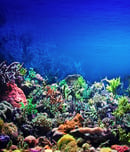
Mother Ocean Day
Pay homage to the incredible force of nature that is the ocean, which houses over a million different species, many of which are endangered or threatened.
- United States
National days and holidays on June 16

Fresh Veggies Day
Celebrate Fresh Veggies Day by discovering tasty ways to eat more vegetables, support local growers, and build healthier, plant-rich habits every day.
- Australia
- Canada
- United Kingdom
- and 1 more

World Refill Day
Discover World Refill Day, a global campaign to cut single-use plastic, promote reusable packaging, and inspire governments, brands, and individuals to act.
- Australia
- Canada
- India
- and 2 more

National Cherry Tart Day
Celebrate National Cherry Tart Day by baking, sharing, and savoring this tangy-sweet dessert, honoring cherry season, tradition, and delicious creativity.
- Canada
- United Kingdom
- United States
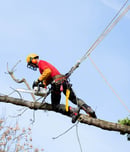
Arborist Appreciation Day
Honor the skilled arborists who care for trees and protect public safety. Learn their vital role, risks they face, and meaningful ways to show appreciation.
- Canada
- United Kingdom
- United States
Seize Every Day
Join free for personalised recommendations, email reminders and exclusive guides. Never miss a day.