

The International Day of the Unborn Child is a significant observance held every year on March 25.
This day highlights the value and dignity of unborn children and aims to foster a culture that respects all human life from conception.
This date aligns with the Feast of the Annunciation, making it symbolically powerful as a time to consider the beginnings of life.
How to Observe International Day of the Unborn Child
Celebrating International Day of the Unborn Child highlights the significance of life at every stage. Here are some quirky and playful suggestions on how to observe this special day:
Artsy Approach
Host an art exhibit or a craft session that celebrates life. Invite friends and family to create paintings, sculptures, or crafts that symbolize hope and the beauty of beginnings.
This not only sparks creativity but also serves as a poignant reminder of the day’s significance.
Green Thumbs Up!
Plant a tree or start a garden dedicated to the unborn. This living tribute grows over the years, symbolizing life and continuous growth. Plus, it’s a great way to get your hands dirty for a good cause!
Light It Up
Organize a candlelight vigil in your community to honor lives lost too soon. This can be a serene way to reflect on the day’s deeper meaning. It can also help to engage with like-minded individuals in your area.
Knowledge Share
Arrange talks or a workshop focusing on prenatal care and the rights of the unborn.
Invite experts or advocates to discuss the importance of early life care and maternal health. It’s a fantastic way to spread knowledge and stir up important conversations.
Musical Tribute
Why not put together a playlist of songs that celebrate life and share it with your friends? Music moves the soul and can beautifully express the themes of life and hope associated with this day.
Why Observe International Day of the Unborn Child?
Countries around the world recognize this day to affirm life’s worth at every stage, emphasizing the importance of life before birth. This recognition encourages a global discussion on the ethical, moral, and personal impacts of abortion.
The day serves as a reminder of the millions of potential lives affected by abortion annually and supports the grief experienced by those who have lost unborn children.
It stands as a day for reflection on and advocacy for the dignity and rights of the unborn, promoting a culture that values life at all stages.
This observance is a call to value and protect life at its most vulnerable stage, advocating for both the unborn and the dignity of all human life.
It encourages societies across the globe to consider the moral and ethical implications of abortion and to recognize the value and rights of unborn children.
History of International Day of the Unborn Child
The International Day of the Unborn Child traces its origins back to an initiative by Pope John Paul II in 1995. The day coincides with the Feast of the Annunciation.
It marks the moment the Virgin Mary was told she would conceive Jesus, symbolizing the beginning of life.
The Pope saw this date as an ideal opportunity to promote respect for life from conception onwards. This day was first established to oppose abortion and to remember the unborn fetuses lost to it. It was first officially acknowledged in Argentina in 1999, after a call by the Pope to celebrate life.
Following Argentina’s lead, other countries like El Salvador, Chile, Nicaragua, and the Dominican Republic began to formally observe this day, integrating it into a broader international acknowledgment of the sanctity of unborn life.
These recognitions usually include various activities such as masses, prayer vigils, and educational talks to highlight the importance of life before birth.
Facts About International Day of the Unborn Child
Fetal Development Is Rapid and Highly Ordered
By eight weeks of gestation, an embryo that started as a microscopic cluster of cells has already formed major organs, begun to develop fingers and toes, and shows detectable electrical activity in the brain.
Modern embryology describes this period as one of highly choreographed cell differentiation and organogenesis, with specific tissues appearing in a predictable sequence long before birth.
Prenatal Imaging Transformed How People See the Unborn
The introduction of real‑time ultrasound in obstetrics during the 1970s and 1980s dramatically changed both clinical practice and public perception of life before birth.
Ultrasound made it possible to watch fetal movements, measure growth, and detect structural anomalies, which in turn reshaped debates in medicine, ethics, and law by making the fetus visible as a distinct patient in many clinical settings.
Medical Viability Has Shifted Earlier in Pregnancy
In the early 1970s, survival for babies born before 28 weeks of gestation was rare, but advances such as antenatal steroids, surfactant therapy, and modern ventilators have pushed the threshold of viability earlier.
In high‑resource settings today, some infants born at 22 to 23 weeks can survive with intensive care, a change that has influenced legal and ethical discussions about the status and treatment of extremely preterm newborns.
Global Abortions Number in the Tens of Millions Each Year
The World Health Organization estimates that there were about 73 million induced abortions worldwide each year between 2015 and 2019.
Roughly 45 percent of all abortions during that period were considered unsafe, with disproportionately high rates in low‑ and middle‑income countries, highlighting abortion as both a public health and social equity issue.
Legal Treatment of the Unborn Varies Widely by Country
Comparative legal research shows that some countries explicitly recognize the fetus as a rights‑bearing subject from conception, while others grant no independent legal status until live birth.
Even within single jurisdictions, laws may conflict, such as criminal codes that enhance penalties for harming a pregnant woman and her fetus alongside civil laws that define legal personhood as beginning only at birth.
Religions Have Long Debated When Human Life Begins
Jewish, Christian, Islamic, Hindu, and Buddhist traditions each contain detailed teachings about the moral status of the unborn, often linking it to concepts such as ensoulment, quickening, or stages of fetal formation.
Historical surveys of religious texts show that views have never been monolithic, with different schools within the same faith reaching divergent conclusions about when full moral status is acquired before birth.
Maternal Health and Prenatal Care Strongly Influence Outcomes
Extensive epidemiological research shows that early and regular prenatal care, adequate nutrition, and avoidance of tobacco and alcohol significantly reduce risks such as low birth weight, preterm birth, and stillbirth.
The World Health Organization now recommends a minimum of eight antenatal contacts during pregnancy, emphasizing that supporting the mother’s health is one of the most effective ways to safeguard fetal well‑being.
International Day of the Unborn Child FAQs



You may also like

IUGR Awareness Day
IUGR Awareness Day shines a light on intrauterine growth restriction (IUGR), also called fetal growth restriction, a pregnancy complication in which a baby does not grow at the expected pace in the womb. It is a topic that can feel intensely personal for families and intensely clinical for care teams...
- United States

Alloimmunization and HDFN Day
Exploring the intricate dance of immune responses, where the body orchestrates a fascinating defense against certain challenges.
- Australia
- Canada
- International
- and 2 more

International Donor Conception Awareness Day
Some families begin in unexpected ways, with the quiet help of someone they’ll never know. International Donor Conception Awareness Day brings attention to these unique beginnings. It focuses on families created with donated sperm, eggs, or embryos. Parents, donors, and donor-conceived people use this day to share their stories. These voices...
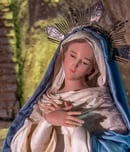
Immaculate Conception
The Immaculate Conception is a belief held by many Christians, particularly within the Catholic Church. It teaches that Mary, the mother of Jesus, was conceived without original sin. This means she was pure from the very start of her existence, chosen for a special purpose. Her purity, free from sin...
- Argentina
- Brazil
- Chile
- and 9 more
National days and holidays on March 25 2027

March Madness
Get your game face on for March Madness! This high-energy tournament is a slam dunk of excitement, passion, and heart-pumping action. So grab your team colors, gear up for the showdown, and let the madness begin!
- United States

International Waffle Day
Start your day off right with a warm and crispy breakfast treat topped with your favorite fruits, syrups, and whipped cream.
- Belgium
- France
- Sweden
- and 1 more

Major League Baseball Opening Day
Major League Baseball Opening Day. It’s when you hear that first crack of the bat and roar of the fans. It’s the first sniff of buttery popcorn in the stadium. Many baseball fans will even admit to playing hooky from work on this day. Why? Too take themselves out to the...
- Canada
- Dominican Republic
- Japan
- and 1 more
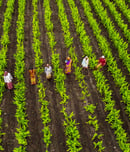
National Agriculture Week
National Agriculture Week shines a spotlight on the farmers, ranchers, and agricultural workers who fill our plates and fuel our lives. Behind every meal and everyday product is someone who works hard, from dawn to dusk, to ensure we all have what we need. This week connects us to the...
- United States
Seize Every Day
Join free for personalised recommendations, email reminders and exclusive guides. Never miss a day.