
When it comes to disorders and diseases, one of the most stubborn misconceptions is that people can simply “push through” their symptoms if they try hard enough. With Functional Neurological Disorder (FND), that assumption can be especially harmful. FND symptoms are real, can be disabling, and are not consciously produced or controlled.
Another challenge is that many conditions do not have a single, simple cure, and some have only recently begun to get the research attention they deserve. When an illness sits at the intersection of specialties, or when it does not show up on familiar scans and blood tests, both patients and clinicians can end up stuck in a frustrating loop of uncertainty. That’s often where people with FND find themselves.
International FND Awareness Day exists to make that loop a little less lonely and a lot more informed. It invites the public to learn about FND, helps reduce stigma around neurologic symptoms that don’t fit old stereotypes, and encourages support for better diagnosis, treatment access, and research.
How to Observe International FND Awareness Day
Share on Social Media
Social platforms are among the quickest ways to challenge myths about FND, especially the belief that symptoms are “just in someone’s head” or somehow made up.
Posting clear, educational content from trusted advocacy groups, clinics, or medical experts can help replace confusion with accurate understanding, such as the fact that FND is diagnosed by neurologists using positive clinical signs, not as a last-resort label.
For those who feel comfortable sharing their experiences, personal stories can make a strong impact. FND can affect movement, speech, sensation, balance, and more, and symptoms often change from day to day.
A brief post describing that fluctuation can help others understand why someone may seem “fine” at one moment and struggle the next. When sharing, it can also help to include practical insights: what support makes a difference, how fatigue or stress influences symptoms, or what kind of responses from others feel helpful.
It is equally valid to raise awareness without sharing personal medical details. Some people prefer to post simple, clear messages: FND symptoms are real, improvement is possible, and empathy matters. Others focus on encouraging people to listen, avoid assumptions, and respect invisible conditions.
A thoughtful approach is to share one clear idea at a time, such as:
- FND is a brain-based condition affecting how the nervous system works.
- Symptoms are involuntary, not intentional.
- Diagnosis is based on specific clinical signs.
- Improvement is possible, often with a tailored treatment plan.
Support the FND Organization
Support can take many forms, including financial help, practical assistance, or community involvement. Donations to patient advocacy groups help fund educational resources, support networks, clinician training, and research. Many organizations also create guides for newly diagnosed patients, families, workplaces, and schools. Funding ensures these tools remain accessible and up to date.
Local fundraising efforts can also be powerful, especially when paired with clear information. A small event, an online fundraiser, a workplace initiative, or a community activity can raise both money and awareness. The most effective efforts explain the purpose clearly: improving recognition, access to care, and scientific understanding of FND.
For those unable to donate, support can still be meaningful. Offering time, helping with online communities, assisting with transport, or providing meals during difficult periods can make a real difference. Even consistent check-ins matter, as FND can feel isolating due to its unpredictable nature.
Advocacy in everyday settings is also important. This includes encouraging workplaces and schools to recognize neurological symptoms, understanding that accommodations may be needed even if symptoms vary, and acknowledging that fluctuating conditions are still valid disabilities.
International FND Awareness Day Timeline
Charcot’s Salpêtrière Lectures on Hysteria
French neurologist Jean-Martin Charcot delivers influential lectures at the Salpêtrière Hospital in Paris, formally describing “hysteria” with functional neurological symptoms such as paralysis and seizures in the absence of structural brain disease. [1]
Freud and Breuer Publish “Studies on Hysteria”
Sigmund Freud and Josef Breuer published “Studien über Hysterie,” proposing that many functional neurological symptoms arise from psychological conflict and introducing ideas that shape early psychodynamic theories of conversion disorders.
Conversion Disorder Enters DSM-I
The first Diagnostic and Statistical Manual of Mental Disorders (DSM-I) classifies “conversion reaction” within psychoneurotic disorders, codifying functional neurological symptoms as primarily psychogenic in American psychiatric diagnosis. [1]
DSM-III Defines Conversion Disorder as a Somatoform Disorder
DSM-III reorganizes psychiatric diagnoses and formally situates conversion disorder within the new category of somatoform disorders, emphasizing physical symptoms that cannot be fully explained by a medical condition. [1]
Early Brain Imaging Studies Highlight Abnormal Function in FND
Functional MRI studies in patients with conversion paralysis reveal abnormal activation patterns in regions involved in motor control and emotion, providing neurobiological evidence that functional disorders involve altered brain networks rather than simple feigning. [1]
DSM-5 Introduces Functional Neurological Symptom Disorder
With DSM-5, the diagnosis is renamed “Functional Neurological Symptom Disorder,” removing the requirement of identifying a psychological stressor and emphasizing positive neurological signs that support an FND diagnosis.
ICD-11 Recognizes Functional Neurological Disorder in Neurology Chapter
The World Health Organization’s ICD-11 includes “dissociative neurological symptom disorder” and acknowledges functional neurological disorder within the neurology framework, supporting integrated medical and psychological approaches to care. [1]
History of International FND Awareness Day
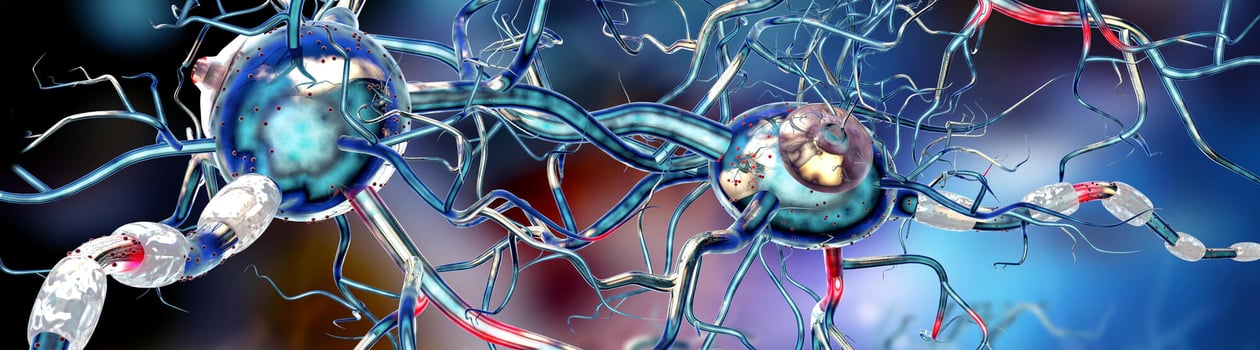
FND, or Functional Neurological Disorder, occurs when the nervous system struggles to send and receive signals properly, even though brain structure may appear normal on standard tests. In simple terms, the “hardware” may look intact, while the “software” or signaling patterns are disrupted.
This is a simplified way to understand it, but it highlights an important point: the symptoms are real and arise from how the brain is functioning.
Because FND affects function rather than visible structural damage, it can resemble many other neurological conditions. Symptoms may include issues with movement and coordination, such as tremors, weakness, walking difficulties, or abnormal postures.
Some people experience episodes similar to seizures, often called functional or dissociative seizures. Others may have speech difficulties, sensory changes like numbness or tingling, vision problems, dizziness, pain, fatigue, or cognitive challenges. Many experience multiple symptoms that can change in intensity over time.
This variability has often led to misunderstanding. Symptoms that improve briefly, worsen with stress, or change from day to day can confuse those who expect neurological conditions to be consistent. However, fluctuation is part of FND and does not mean symptoms are voluntary.
Medical understanding of FND has progressed over time. Older terms like “conversion disorder” reflected earlier theories focused mainly on psychological causes. Today, FND is increasingly understood as a disorder of nervous system functioning influenced by biological, psychological, and social factors.
This does not mean symptoms are imagined or purely emotional. It means that brain networks involved in movement, sensation, and attention can become disrupted, producing real symptoms that cannot simply be controlled at will.
A major development in the field is the use of positive clinical signs for diagnosis. Instead of being diagnosed only after excluding all other conditions, clinicians now identify patterns specific to FND during examination. This approach allows for more direct diagnosis and reduces the long uncertainty many patients previously faced.
Despite progress, many people still spend months or years seeking answers. Some receive incorrect diagnoses, while others are told nothing is wrong because tests appear normal. Both situations can be distressing. Misdiagnosis may lead to unnecessary treatments, while dismissal can delay proper care. International FND Awareness Day addresses these issues by reinforcing that FND is real, diagnosable, and treatable.
Treatment is usually tailored to the individual and often involves a multidisciplinary approach. Physical therapy is often central, especially for movement symptoms, but it focuses on retraining movement patterns and improving automatic function rather than traditional strengthening alone. Occupational therapy supports daily activities and energy management, while speech therapy can address communication or swallowing difficulties.
Psychological therapies can also help, not because symptoms are imaginary, but because stress systems and attention processes influence brain function. Therapy may address anxiety, trauma, or coping strategies.
Medications may be used for related conditions such as depression, migraines, sleep issues, or chronic pain. Education itself can be therapeutic, as understanding the condition often reduces fear and supports recovery.
Awareness is essential because FND challenges the outdated divide between “physical” and “mental” health. It also challenges assumptions about disability. A person may need support one day and not the next. They may communicate clearly at times and struggle at others. Awareness helps replace doubt with understanding.
International FND Awareness Day is closely linked to advocacy efforts that connect individuals globally, reduce stigma, and improve care and research. Advocacy groups have played a key role in sharing patient experiences, improving education, and building supportive communities.
This sense of connection is important. Many people with FND describe their diagnostic journey as exhausting, involving repeated appointments, unclear results, and not feeling believed. Awareness initiatives promote a different experience, where symptoms are acknowledged, diagnosis is explained clearly, and treatment focuses on improvement rather than blame.
The day also highlights an important message: FND is not rare in neurological settings and deserves the same level of care as any other condition. Better training for healthcare professionals, improved access to specialized therapies, and continued research can significantly improve outcomes.
At its core, International FND Awareness Day encourages a shift in perspective. It invites people to replace skepticism with curiosity and judgment with support. Learning about FND, sharing accurate information, and supporting advocacy efforts all help create a more understanding and inclusive environment for those living with the condition.
Understanding Functional Neurological Disorder: Key Facts That Change the Narrative
Functional Neurological Disorder (FND) is more common, more complex, and more misunderstood than many people realize.
The facts behind it reveal a shift from outdated beliefs to modern neurological science, showing that FND is a real, brain-based condition with identifiable patterns and growing clinical recognition.
These insights help replace stigma with understanding and highlight why awareness matters.
Hidden Burden of Functional Neurological Disorder
Functional Neurological Disorder (FND) is now recognized as one of the most common conditions seen in neurology clinics, with large studies suggesting it accounts for roughly 5 to 16 percent of new outpatient neurology referrals, rivaling or exceeding better-known disorders such as multiple sclerosis and epilepsy in specialist settings.
From “Hysteria” to a Modern Neurological Diagnosis
Historically, many patients who would now be diagnosed with FND were labeled with “hysteria” or “conversion disorder,” terms rooted in 19th‑ and early 20th-century ideas that symptoms were purely psychological or even moral failings.
Over the last few decades, neurologists and psychiatrists have reframed the condition as FND, a brain-based disorder with positive, observable clinical signs, which has helped separate it from outdated and stigmatizing concepts.
Distinct Brain Network Changes in FND
Modern neuroimaging studies have found that people with FND often show abnormal activity and connectivity in brain networks involved in attention, emotion processing, and motor control, particularly in regions such as the amygdala, insula, supplementary motor area, and prefrontal cortex.
These findings support the view that symptoms arise from functional disruptions in brain networks rather than structural damage that would be visible on a standard MRI scan.
A Disorder Often Misdiagnosed as Epilepsy or Stroke
Because FND can cause seizures, weakness, or speech problems, it is frequently mistaken for epilepsy or stroke, sometimes for years.
Research on “psychogenic nonepileptic seizures,” now classified under FND, shows that many patients undergo extensive testing and even receive anti-seizure medications or emergency stroke treatments before the functional nature of their symptoms is recognized.
Positive Bedside Signs Help Clinicians Distinguish FND
Contrary to the idea that FND is a diagnosis of exclusion, neurologists increasingly rely on specific positive bedside signs, such as Hoover’s sign for leg weakness or entrainment tests for tremor, to make a confident diagnosis.
These signs show internally inconsistent patterns of movement or strength that are incongruent with known structural neurological disease, yet are highly reproducible and have good diagnostic accuracy when used correctly.
Evidence That Symptoms Can Improve With Targeted Treatment
Clinical trials and cohort studies indicate that many people with FND can experience substantial improvement, especially when they receive early diagnosis and specialized treatment such as tailored physiotherapy, multidisciplinary rehabilitation, and psychological therapies like cognitive behavioral therapy.
Outcomes vary, but systematic reviews suggest that a significant proportion of patients report better function and reduced symptom severity when care is coordinated and grounded in a clear explanation of the disorder.
Economic and Healthcare Impact of FND
FND places a heavy burden on healthcare systems, with studies finding high rates of emergency visits, repeated diagnostic testing, and long hospital stays before patients reach appropriate care.
One UK study estimated that patients with functional seizures incurred healthcare costs comparable to those with epilepsy, highlighting that a condition once dismissed as “medically unexplained” can have very real financial and service implications.
International FND Awareness Day FAQs
What is Functional Neurological Disorder (FND) and how is it understood today?
Functional Neurological Disorder is a condition in which there is a problem with how the brain and nervous system send and receive signals, rather than damage that shows up on standard scans or blood tests.
Symptoms are real and can be as disabling as those caused by structural brain disease, but routine tests often appear normal. Modern research describes FND as a “software” problem in brain functioning, involving changes in brain networks that control movement, sensation, and attention, rather than a “hardware” problem such as a tumor or stroke. [1]
How do symptoms of FND typically present in daily life?
People living with FND can experience a wide range of neurological symptoms, including limb weakness or paralysis, tremor, episodes that look like seizures, problems with walking, speech difficulties, sensory changes, and fatigue or pain.
Symptoms often fluctuate over time and may worsen with stress, illness, or fatigue, which can make them unpredictable and difficult to manage.
Many individuals find that symptoms affect work, school, driving, and social activities in ways similar to other chronic neurological conditions. [1]
How is FND diagnosed if scans and tests are often normal?
FND is diagnosed based on positive clinical signs and patterns in a detailed neurological examination, not by ruling out every other disease.
Neurologists look for specific features, such as variability of weakness, movements that change with distraction, or seizure‑like episodes with preserved awareness, that are known to occur in FND.
Brain scans and other tests are usually done to check for additional or alternative conditions, but a normal MRI or EEG does not by itself mean the problem is “all in someone’s head.” A clear explanation of the diagnosis is considered an important part of good care. [1]
How is FND different from epilepsy, stroke, or multiple sclerosis?
Although FND can resemble epilepsy, stroke, or multiple sclerosis, the underlying mechanisms are different.
In epilepsy, seizures are caused by abnormal electrical activity in the brain, while in FND, seizure‑like events happen without that electrical pattern and are called functional or dissociative seizures.
In stroke and multiple sclerosis, there is visible damage to brain tissue on imaging. In FND, structural scans are typically normal, and the problem lies in how brain networks function and communicate.
People with FND can also have another neurological disease at the same time, so careful evaluation is important.
What treatments have evidence for helping people with FND?
Treatment plans usually combine education about the diagnosis with rehabilitative and psychological therapies. Specialized physical and occupational therapy can help retrain movement patterns and reduce disability, especially when therapists are familiar with FND‑specific techniques.
Cognitive behavioral therapy and other psychological approaches may improve symptom management, mood, and coping, particularly for functional seizures.
Medications can be used to treat co‑occurring problems such as depression, anxiety, or pain, rather than FND itself. Multidisciplinary care that addresses both physical and emotional aspects of the condition tends to lead to better outcomes.
Is FND caused by stress or mental illness alone?
Current research suggests that FND cannot be explained by a single cause, such as stress or a psychiatric diagnosis, although these can play a role for some people.
Many individuals with FND report a mix of biological, psychological, and social factors, including prior illness or injury, chronic pain, or life stressors.
Brain imaging studies show changes in networks involved in attention, emotion, and movement control, which supports a neurobiological basis.
Some people with FND have no clear history of trauma or mental illness, so it is inaccurate to assume the condition is purely psychological or a conscious choice. [1]
What is the long‑term outlook for someone with FND?
The prognosis for FND varies, but improvement is possible, especially when the diagnosis is explained clearly and evidence‑based treatment starts early.
Some people recover fully, while others have ongoing symptoms with periods of better and worse function. Factors linked with better outcomes include early diagnosis, engagement in rehabilitation, supportive relationships, and coordinated care between neurology, rehabilitation, and mental health services.
Long delays in diagnosis, misunderstanding from clinicians or family, and lack of access to appropriate therapy are associated with a higher risk of long‑term disability. [1]



You may also like

Purple Day
Raising awareness about a condition that affects millions worldwide is vital in promoting understanding, education, and compassion towards those living with epilepsy.
- Australia
- Canada
- United Kingdom
- and 1 more

TSC Global Awareness Day
Discover TSC Global Awareness Day, raising worldwide understanding of Tuberous Sclerosis Complex, its signs, challenges, support, and research progress.
- Australia
- Ireland
- United Kingdom
- and 1 more

World Bipolar Day
Imagine a day when the world pauses to understand a complex mental health condition. World Bipolar Day shines a light on bipolar disorder, a mental health condition marked by extreme mood swings, affecting millions globally. This day unites individuals, organizations, and communities to share stories, offer support, and educate others...

Dissociative Identity Disorder Awareness Day
Raising understanding and compassion for a condition that brings unique challenges, highlighting the strength and resilience of those affected.
- Canada
- International
- United Kingdom
- and 1 more
National days and holidays on April 13 2027

National Dog Bite Prevention Week
It is hard to think something as loyal as a dog could ever harm someone. But even the sweetest pup may react when afraid or stressed. National Dog Bite Prevention Week brings this truth into focus. It reminds people that bites often come from everyday situations—startling a dog, grabbing its toy...

International Plant Appreciation Day
International Plant Appreciation Day is all about taking a moment to really see the plants around us. Not just the big, leafy ones in parks or gardens, but also the quiet little greens on windowsills, the vines crawling up fences, and the herbs sprouting in kitchen pots. They don’t ask for much...

Discover National Parks Fortnight
Discover National Parks Fortnight invites everyone to join in on an adventure - exploring the stunning landscapes and rich biodiversity of national parks. This fantastic outdoor-themed event spans two weeks each year. This period is the ideal opportunity to reconnect with the great outdoors and appreciate the environmental treasures within...

National Silly Earring Day
National Silly Earring Day is a playful celebration that invites people to treat their ears like tiny billboards for joy. Instead of saving statement jewelry for special occasions, this day permits everyone to go big, goofy, and gloriously imaginative with what they wear. It’s less about matching an outfit and...
Seize Every Day
Join free for personalised recommendations, email reminders and exclusive guides. Never miss a day.