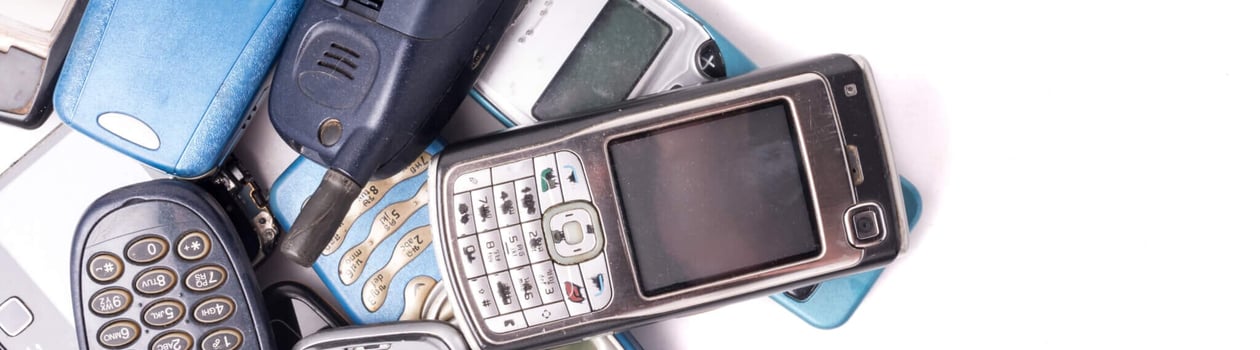
International Mobile Phone Recycling Day encourages people to recycle their old phones instead of letting them gather dust.
Each discarded device contains valuable materials like gold, silver, and copper. Recycling prevents these resources from going to waste and reduces the need for harmful mining practices.
It also keeps toxic substances out of landfills, protecting the environment and our health. This day reminds us that small actions, like recycling a phone, can have a big impact on the planet.
Every year, millions of phones are thrown away, contributing to the growing problem of electronic waste. Recycling helps conserve natural resources and reduces pollution caused by manufacturing new devices.
It also supports ethical practices by decreasing the demand for minerals sourced from conflict zones.
By participating in International Mobile Phone Recycling Day, we take a step towards a more sustainable future. It’s a simple yet powerful way to make a positive difference.
International Mobile Phone Recycling Day Timeline
Introduction of Mobile Phone Recycling Programs
Economic and environmental pressures lead to the inception of recycling programs specifically aimed at mobile phones to recover valuable metals and reduce electronic waste.
Initiatives start in Europe and expand globally.
Mobile Phone Partnership Initiative (MPPI)
The Basel Convention launches the MPPI to promote environmentally sound management of used and end-of-life mobile phones through guidelines on collection and recycling.
Recycle My Cell Launch
Canada initiates a national program called Recycle My Cell, which provides easily accessible information on how to properly dispose of old mobile phones, creating a significant model for similar initiatives worldwide.
European Union’s Right to Repair
The European Union adopts new regulations strengthening consumers’ rights to repair, a key step in addressing electronic waste, including mobile phones, to promote resource efficiency and sustainability.
E-Waste Awareness and Recycling Rates
Reports show that around 5.3 billion mobile phones become waste annually, highlighting the urgent need for improved global e-waste recycling rates, currently projected to drop to 20% by 2030.
How to Celebrate International Mobile Phone Recycling Day
International Mobile Phone Recycling Day offers a chance to reduce electronic waste and protect the environment. Here are some engaging ways to participate:
Trade In for Rewards
Many retailers and mobile networks offer trade-in programs that provide discounts on new devices when you return your old phone.
Companies like Apple, Samsung, and Currys participate in these initiatives. Even if your device is outdated, it can still be recycled responsibly.
Donate to Charities
If your phone is still functional, consider donating it to organizations that refurbish electronics for those in need.
Charities such as the British Heart Foundation and Age UK accept working devices, helping to extend their lifespan and support communities.
Utilize Local Recycling Facilities
Local councils often provide designated bins for small electronic devices, including mobile phones.
These “Bring Banks” are typically located near supermarkets or community centers, making it convenient to dispose of your old electronics responsibly.
Repurpose Old Devices
Get creative by giving your old phone a new purpose. Transform it into a dedicated music player, a digital photo frame, or a home security camera. Repurposing extends the device’s usability and keeps it out of landfills.
Organize a Community Collection Drive
Gather friends, family, or neighbors to collect unused mobile phones for recycling. Community drives can raise awareness about electronic waste and make a collective impact.
Coordinate with local recycling centers to ensure proper disposal.
History of International Mobile Phone Recycling Day
International Mobile Phone Recycling Day began in 2015.
The Jane Goodall Institute introduced it through a campaign called “The Forest Is Calling.” This campaign focused on the damage caused by mining materials used in mobile phones.
It also raised awareness about the growing problem of electronic waste. The date later shifted to January 24 in 2017, where it has stayed since.
The day was created to help people understand where their phones come from and where they end up. Mobile devices contain materials like tantalum, which is often mined in places such as the Congo Basin.
This mining can destroy wildlife habitats and affect local communities. It also supports harmful labor practices in some regions. When old phones sit in drawers or landfills, they waste valuable parts and may leak toxic substances.
Recycling phones the right way reduces these problems. It saves resources, cuts pollution, and lowers the demand for dangerous mining.
International Mobile Phone Recycling Day reminds everyone that small choices matter.
Dropping off an unused phone at a proper center can support a cleaner planet. The day encourages people to act, not just think, about electronic waste. It began as a simple idea but now reaches people across the world.
Facts About International Mobile Phone Recycling Day
Global E-Waste Impact
Every year, approximately 50 million tonnes of electronic waste is generated worldwide, highlighting the significant impact of electronic devices on the environment when not recycled properly.
Recycling mobile phones helps reduce this immense e-waste burden by recovering valuable materials and preventing environmental contamination.
Valuable Materials Recovery
Mobile phones are a rich source of precious and rare materials. For example, processing one million phones can yield significant quantities of copper, gold, and silver, integral to various industries, thereby contributing greatly to a sustainable supply chain.
Historical E-Waste Problems
The management of e-waste has been a persistent global issue, with harmful consequences stemming from improper disposal.
E-waste, if not managed, exposes ecosystems to toxic elements such as lead, mercury, and cadmium. These elements can seep into the soil and water, posing severe risks to environmental health.
The Circular Economy and E-Waste
Adopting circular economy principles in handling e-waste involves reusing, recycling, and repurposing electronic devices.
This helps prevent phones from ending up in landfills and supports sustainable practices by integrating waste management with production processes in industries, significantly lowering ecological footprints.
International Mobile Phone Recycling Day FAQs