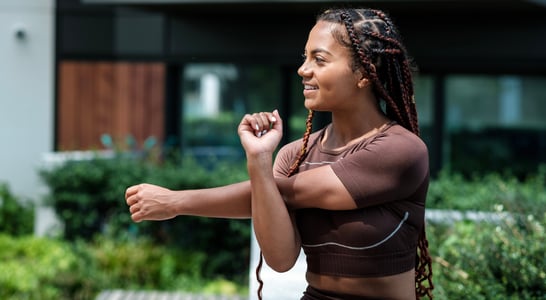
International Pageant Day celebrates the women and girls around the world who step into pageantry, not only for the sparkle and stage lights, but for the discipline, training, and nerve it takes to be judged in public.
A pageant contestant is often part performer, part athlete, part public speaker, and part community advocate, all while managing the very human pressures of appearance standards and high expectations. This day invites supporters and skeptics alike to look beyond the sash and crown and notice the work happening behind the curtain.
How to Celebrate International Pageant Day
Check out a couple of ideas to get started with celebrating International Pageant Day:
Pamper a Pageant Participant
Women and girls who participate in pageants are often so committed that it can be difficult for them to take time to rest. International Pageant Day might be the perfect opportunity for the friends or family members of a pageant contestant to show some care and appreciation for her.
Not because of how pretty or talented she is, but simply because she is loved.
To make the “pamper” part genuinely helpful, it can help to think like a pageant participant for a moment. Competition preparation often includes hair, skincare, nails, wardrobe planning, fitness routines, interview practice, talent rehearsal, choreography, travel arrangements, and sometimes fundraising or community appearances. Even the fun aspects come with a schedule. A thoughtful gesture can give back time, calm, or practical assistance.
A few ways to do that:
- Offer a no-strings “quiet zone.” A short stretch of uninterrupted time can feel more luxurious than a spa day. Take care of a household chore, run errands, or simply guard the door so she can nap, journal, stretch, or decompress.
- Support the body, not the image. Consider a massage, a yoga class, a gentle hike together, or a nourishing home-cooked meal. The goal is recovery and well-being, not “getting smaller” or “fixing” anything.
- Create a “show week” kit. Pack bobby pins, safety pins, blister pads, a small sewing kit, stain remover, a lint roller, makeup wipes, bandages, a water bottle, and a phone charger. These small items can prevent stressful backstage moments.
- Help with practice in a respectful way. Offer to listen to an interview answer or time a talent rehearsal, but ask first. The most supportive question sounds like, “Do you want feedback or just a friendly audience?”
- Celebrate the effort, not only the outcome. Many contestants spend months preparing for just a few moments on stage. A handwritten note praising courage, persistence, or kindness can mean far more than a comment about looks.
International Pageant Day can also be a good moment to check in on mental health. Competition environments can bring comparison, perfectionism, and online criticism. A simple message like “I’m proud of how hard you’ve worked” can help someone stay grounded in what truly matters.
Watch Some Movies Based on Pageants
A fun way to get into the spirit of International Pageant Day might be to connect by watching movies or shows that focus on pageants. Stories about pageants tend to be entertaining because the stakes feel strangely high for something involving rhinestones, but they can also be unexpectedly touching. Many of these films explore family dynamics, identity, confidence, and what it means to be judged.
- Dumplin’ (2018). The daughter of a former beauty queen signs up for her mother’s pageant as a form of protest. Starring Jennifer Aniston and Danielle MacDonald.
- Drop Dead Gorgeous (1999). Denise Richards and Kirsten Dunst appear alongside a strong ensemble cast in this comedy about how far contestants in a small-town beauty pageant will go to win.
- Miss Congeniality (2000). This action comedy stars Sandra Bullock as an agent who must go undercover as a contestant in a beauty pageant.
- Little Miss Sunshine (2006). Steve Carell, Toni Collette, and Abigail Breslin bring to life a story about a family road trip to help a little girl achieve her dream of entering a beauty pageant.
To turn a movie night into a more meaningful International Pageant Day activity, viewers can add a short discussion afterward. Consider prompts such as:
- What elements of pageantry are presented as performance, and what parts resemble sport or debate?
- Who holds power in the pageant world portrayed in the story, and who seems under pressure to impress?
- What does the film suggest about confidence: is it something someone already has, or something that develops over time?
Keeping the tone light is perfectly fine, but it can be eye-opening to notice how pageant narratives often mirror everyday expectations around presentation, ambition, and belonging.
Understand the Benefits of Pageants
Many people question the idea of women being judged based on appearance, poise, talent, and other factors. However, many women who participate in pageants say these competitions help them develop valuable skills.
From confidence to self-discipline, from social connections to advocacy opportunities, many pageant contestants and winners have found this experience to be an excellent starting point for future opportunities.
Understanding pageantry means holding more than one perspective at the same time. Pageants can feel empowering for some participants and uncomfortable for others. They can offer a platform while also reflecting narrow standards, depending on the system, the judges, and the surrounding culture. International Pageant Day provides a good opportunity to learn what contestants actually do rather than assuming based only on the final stage walk.
Common pageant components often include:
- Interview or on-stage questions. Contestants practice speaking clearly under pressure, answering thoughtfully, and staying composed even when a question feels awkward or unexpected.
- Talent or performance. Singing, dance, instrumental music, spoken word, dramatic monologues, baton twirling, and other acts require rehearsal, coaching, and stage confidence.
- Fitness and movement. Regardless of body type, contestants frequently train posture, walking patterns, stamina, and confidence in motion. It is closer to performance training than casual posing.
- Wardrobe planning and styling. This can include budgeting, thrifting, tailoring, learning color theory, or building a personal brand. For some participants, it becomes an education in project management and resourcefulness.
- Community involvement and advocacy. Many pageant systems encourage participants to volunteer, fundraise, or speak about issues they care about. Strong programs encourage consistent engagement rather than occasional appearances.
From a practical skills perspective, pageants can help build:
- Public speaking and media readiness. Being interviewed repeatedly teaches clarity, brevity, and resilience.
- Goal-setting and self-discipline. Training schedules and long preparation periods require planning and consistency.
- Networking and mentorship. Many contestants gain coaches, peers, and professional contacts, especially in systems that emphasize community engagement.
- Confidence in high-pressure environments. Not the loud kind of confidence, but the quieter confidence that appears when someone recovers from a mistake in real time.
At the same time, it is fair to acknowledge the concerns people sometimes raise:
- Appearance-focused scoring can be intense. Even when pageants include talent and interviews, participants may still feel that appearance standards carry weight.
- Costs can add up. Dresses, travel, coaching, and entry fees can create barriers. Many contestants address this through sponsorships, secondhand fashion, shared resources, or choosing lower-cost systems.
- Online commentary can be harsh. Public competition invites public opinions, and not all of them are kind.
A balanced way to understand the benefits is to speak with a contestant or former titleholder and ask what she learned, what she loved, and what she would change. Listening is part of celebrating.
International Pageant Day Timeline
First Documented “Bathing Beauty” Contests in the U.S.
American seaside resorts begin organizing informal “bathing beauty” contests, introducing the idea of judging women’s appearance in public competitions that foreshadow modern pageants.
Miss America Pageant Debuts in Atlantic City
Atlantic City business leaders launch an “Inter-City Beauty” contest, soon known as Miss America, to extend the tourist season, helping to establish the modern American beauty pageant format.
Miss World was founded in the United Kingdom
Promoter Eric Morley stages a “Festival Bikini Contest” tied to the Festival of Britain; it evolves into Miss World, one of the first major international beauty pageants.
Launch of the Miss Universe Pageant
The Miss Universe competition was created in California with support from the Catalina Swimwear Company, quickly growing into a globally televised symbol of international pageantry.
Feminist Protest Targets Miss America
Women’s liberation activists stage a high-profile protest outside the Miss America pageant in Atlantic City, spotlighting concerns about the objectification of women and sparking broader debate about beauty contests.
Miss International Adds Official Environmental Theme
The Miss International pageant refocuses its platform under the motto “Cheer All Women,” emphasizing cultural exchange and later integrating stronger advocacy elements alongside traditional beauty judging.
Miss Earth Introduces Eco‑Focused Pageantry
Carousel Productions in the Philippines launches Miss Earth, centering contestants’ roles on environmental awareness and activism and reshaping pageants as platforms for ecological advocacy.
History of International Pageant Day
Contests where women were judged to determine who was the most beautiful or compelling can be traced back centuries, with some references appearing in Jewish and Christian historical writings as well as stories from Ancient Greece.
The more modern versions of beauty pageants began in the late nineteenth century, with one of the earliest recorded events taking place in Delaware.
By the twentieth century, these competitions started appearing at beach resorts as entertainment. The first major national pageant in the United States was the Miss America Pageant in 1921, which originally served as a tourist promotion encouraging visitors to remain in Atlantic City after Labor Day.
Since then, pageants have continued to evolve, offering women opportunities to compete for prizes and scholarships and to build a cultural subcommunity of their own.
From state and national competitions to international events such as Miss World, Miss Universe, Miss International, and Miss Earth, supporters of pageants often say these experiences help girls and young women develop confidence and life skills.
International Pageant Day sits within a long and complex tradition of public competition and performance. For centuries, communities have hosted events that blend celebration with comparison, often connected to festivals, civic pride, or social clubs.
Over time, the idea of a “pageant” became more structured, including contestants, judges, scoring systems, rehearsals, and a public finale. Media coverage also increased expectations that winners should represent something larger than personal charm.
As modern pageantry expanded, it began borrowing elements from many fields:
- Theater and dance, through stage movement and talent showcases.
- Debate and interviewing, through judged conversations and spontaneous questions.
- Fashion and design, through styling and presentation.
- Community leadership, through charitable initiatives and public appearances.
These combinations help explain why pageantry has remained culturally visible even as opinions about beauty standards have shifted. Many systems adjusted their rules and categories to reflect changing values, adding stronger emphasis on scholarship support, community service, and personal advocacy.
International pageants also helped shape what many people recognize as the traditional pageant structure. Large global competitions turned winners into year-long representatives who attend events, speak with the media, and promote partnerships.
This role makes a pageant title feel less like a one-night show and more like a year-long responsibility with schedules, expectations, and training.
At the same time, pageantry has never been just one thing. It includes glamorous televised spectacles, small community competitions, cultural heritage events, and specialized systems centered on talent or causes. Some contestants participate because they enjoy performing.
Others treat it as a leadership experience. Some value scholarship opportunities, while others simply want to try something that challenges them, which is a very human reason to step onto a stage.
International Pageant Day highlights the participants more than the trophies. It draws attention to the work that outsiders do not always see: months of rehearsal, early mornings, practicing answers to difficult questions, learning to walk in shoes that are not always comfortable, and maintaining composure when nerves are loud.
Whether someone loves pageants, dislikes them, or feels undecided, the day invites curiosity about why contestants choose to compete and what they gain from the experience beyond the final score.
Surprising Facts About the Influence and Debate Around Beauty Pageants
Beauty pageants have long been part of global culture, blending entertainment, competition, and public representation.
Over time, they have evolved far beyond simple beauty contests, influencing education opportunities, international media, and cultural debates.
These facts highlight how pageants have shaped scholarship programs, global events, and conversations about beauty standards.
Miss America Helped Pioneer Large-Scale Scholarships for Women
The Miss America Organization became one of the largest providers of scholarship assistance to young women in the United States, distributing tens of millions of dollars in cash and in-kind tuition assistance through its national, state, and local programs.
By the 2010s, it was describing itself as the nation’s leading scholarship provider for women, reflecting how pageants shifted from simple beauty contests to education-focused competitions involving interviews, talent, and community service platforms.
The First Modern International Pageants Emerged in the Early Cold War
International beauty pageants became a global phenomenon in the 1950s, with Miss World founded in London in 1951 and Miss Universe established in California in 1952.
Both quickly drew contestants from dozens of countries and were broadcast internationally, turning pageants into tools of soft power and cultural diplomacy that projected competing images of modern femininity, national pride, and Western consumer culture during the early Cold War era.
Pageants Have Been Critiqued for Reinforcing Narrow Beauty Standards
Feminist and sociological critiques since at least the late 1960s have argued that beauty pageants reward a narrow, often Eurocentric ideal of femininity centered on thinness, youth, and conventional attractiveness.
Scholars have linked these contests to broader media representations that can contribute to body dissatisfaction and objectification, particularly among girls and young women, although some researchers note that contestants themselves often emphasize skill-building, networking, and leadership benefits.
Rule Changes Reflect Shifting Cultural Attitudes Toward Women
Major pageants have repeatedly altered rules about swimsuits, age, and marital or parental status in response to social pressure and changing views of women’s roles.
For example, Miss America eliminated its swimsuit segment in 2018, while pageants such as Miss Universe have begun allowing mothers and married women to compete, moving away from the long-standing expectation that contestants be unmarried, childless, and conform to a narrowly defined ideal of “girl-next-door” respectability.
International Pageants Serve as Platforms for Advocacy and Humanitarian Work
Many modern pageants formally require contestants to champion social causes, and international titleholders often work with charities, NGOs, or UN-affiliated initiatives.
Winners of contests like Miss World and Miss Universe routinely undertake tours focused on issues such as children’s health, disaster relief, education, and HIV/AIDS awareness, turning the pageant crown into a promotional tool for fundraising and public-awareness campaigns that can reach global media audiences.
Beauty Pageants Generate Significant Tourism and Broadcast Revenue
Hosting an international pageant can bring substantial economic benefits to a city or country, including spikes in hotel occupancy, local spending by delegations and fans, and global media exposure.
Events like Miss Universe are often supported by host-city agreements and government tourism agencies because the televised spectacle, press coverage, and associated cultural events function as a large-scale marketing campaign for the destination.
Pageant Culture Has Inspired Films and Satirical Storytelling
Beyond the stage, beauty pageants have become a rich source of material for filmmakers and writers, who use them to explore themes of gender expectations, family pressure, small-town politics, and commercialization.
Satirical and dramatic portrayals in film and television often highlight the tension between the polished public image of pageants and the behind-the-scenes realities, reflecting broader cultural ambivalence about how society judges and rewards women.