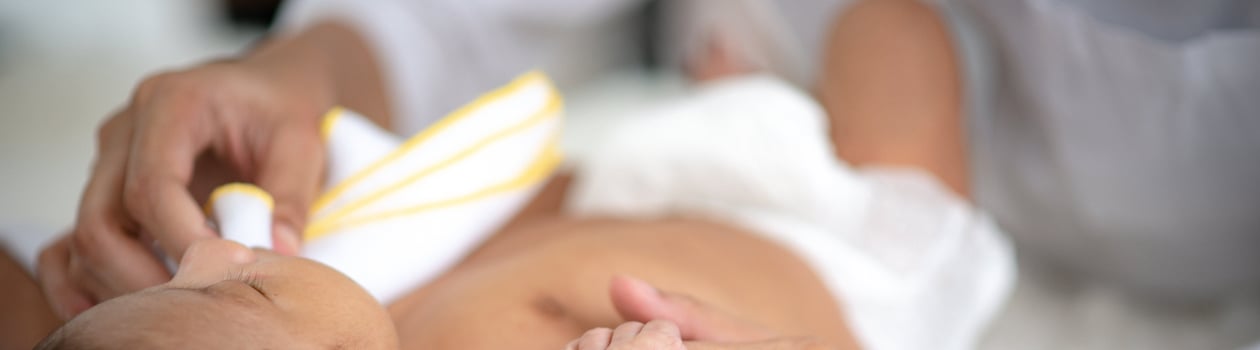
Baby Massage Day highlights the simple yet profound act of massaging infants. This special day promotes a deeper connection between parents and their little ones through gentle touch.
The practice of baby massage offers numerous health benefits, such as improved sleep, better digestion, and a stronger immune system.
Parents who engage in baby massage often feel more confident in their caregiving abilities and enjoy a stronger bond with their baby. It’s a beautiful way to foster physical and emotional health in infants while also providing a calming routine for both baby and parent.
How to Celebrate Baby Massage Day
Join a Class
Signing up for a baby massage class is a great way to celebrate. Learn proper techniques while enjoying quality time with your baby.
These classes offer a fun environment for both parents and infants. It’s a chance to make new friends and share tips.
Create Custom Oils
Get creative by making your own massage oils. Use natural ingredients like coconut or almond oil, adding a drop of lavender for relaxation.
Mixing and experimenting can be a delightful activity. Plus, these homemade oils make massages even more special.
Organize a Spa Day
Turn your home into a mini-spa. Dim the lights, play some soothing music, and give your baby a gentle massage. This can be a wonderful bonding experience. Pamper yourself a bit, too, and enjoy the calming atmosphere together.
Share the Love
Gather a group of parents and share your favorite massage techniques. Exchange tips and stories about your experiences.
It’s a great way to learn from each other and celebrate the day. Plus, it’s a fun social activity for everyone involved.
Gift a Massage
Offer a baby massage to a friend or a new parent. This kind gesture can provide much-needed relaxation. It’s a beautiful way to spread the joy of Baby Massage Day, and helping others can make the day even more rewarding.
Baby Massage Day FAQs
Reasons for Celebrating the Day
Baby Massage Day is celebrated to emphasize the numerous advantages of this practice. Infant massage helps calm babies, reduce stress hormones, and encourage relaxation. It supports healthy muscle development and can relieve discomfort from gas and colic.
Additionally, the practice enhances parent-baby bonding, which is crucial for emotional and psychological development.
Through massage, parents learn to understand their baby’s non-verbal cues, fostering a sense of security and trust. Overall, baby massage not only promotes physical well-being but also nurtures a loving and supportive environment for the baby’s growth.
History of Baby Massage Day
Baby Massage Day has an interesting history. This special day began in the early 2000s to highlight the benefits of massaging babies. The tradition emphasizes the strong bond formed between parents and their infants through touch.
The origins of baby massage date back thousands of years. Ancient cultures in India, China, and Egypt practiced it to heal and nurture babies.
The practice of baby massage in the West gained popularity thanks to Vimala McClure in the 1970s. She studied the benefits of massage in India and brought these techniques to the United States. In 1986, she founded the International Association of Infant Massage (IAIM).
In 2016, the IAIM established June 7th as the International Day of Infant Massage and Nurturing Touch to honor McClure’s birthday. However, Baby Massage Day itself is observed on April 8, offering parents an opportunity to connect deeply with their babies through soothing massages.
Baby Massage Day encourages parents to learn proper techniques and understand the positive impacts of touch. These benefits include improved sleep, better digestion, and a calming effect for babies. It also helps strengthen the emotional bond between parents and their children.
Fascinating Facts About Empanadas
Baby massage has been practiced in many cultures for generations and is increasingly supported by modern research.
Gentle touch and nurturing contact can influence an infant’s physical, emotional, and neurological development.
The following facts highlight how baby massage supports brain development, improves sleep patterns, and contributes to overall health and well-being in early life.
Important Facts About the Benefits of Baby Massage
Gentle, predictable touch in early life helps shape how an infant’s brain processes stress and social connection. Studies using brain imaging and hormone measurements show that nurturing tactile contact, including massage, can lower cortisol levels and influence the development of neural circuits involved in emotion regulation and attachment, with long‑term implications for mental health.
Infant Massage and Better Sleep Patterns
Randomized controlled trials have found that infants who receive regular, brief massage sessions often fall asleep faster and show longer periods of deep sleep compared with control groups.
Researchers suggest that massage may help synchronize circadian rhythms and increase melatonin production, which can gradually improve overall sleep quality in young babies.
Ayurvedic Oil Massage and Infant Growth in India
In many parts of India, daily oil massage of infants, known as “sneha,” is an entrenched practice supported by both tradition and research.
Clinical studies of mustard, sesame, and sunflower oil massage have reported associations with improved weight gain, better skin barrier function, and lower risk of hospital‑acquired infections in preterm and low‑birth‑weight babies when compared with no oil or mineral oil.
Oxytocin: The “Bonding Hormone” Released by Touch
Comforting touch, such as that used in infant massage, triggers the release of oxytocin in both the baby and the caregiver.
Oxytocin is linked with lowered blood pressure, reduced anxiety, and increased social responsiveness, and its repeated release during early caregiving experiences is thought to help strengthen the emotional bond between parent and child.
Kangaroo Care and Survival of Preterm Infants
A related practice to infant massage is “kangaroo mother care,” where a baby is held in prolonged skin‑to‑skin contact on a caregiver’s chest.
Large trials in low‑resource settings show that kangaroo care significantly improves temperature stability, breastfeeding rates, and survival in preterm and low‑birth‑weight infants compared with conventional incubator care alone, underscoring the medical power of touch.
African Postnatal Massage Rituals
In parts of West and East Africa, infant massage is woven into broader postnatal rituals that may include singing, rhythmic stretching, and communal caregiving.
Ethnographic research describes how these practices are believed to “shape” the baby socially and physically, teaching relaxation, body awareness, and trust while also reinforcing the role of grandmothers and elders in childrearing.
Tactile Stimulation and Weight Gain in Neonatal Units
Research in neonatal intensive care units has shown that structured tactile and kinesthetic stimulation protocols, often described as “massage‑like” care, can promote faster weight gain in preterm infants.
In one widely cited study, infants who received three daily 15‑minute sessions of moderate‑pressure stroking and flexion‑extension movements gained 21–47 percent more weight per day than controls, without an increase in caloric intake.