International We Are Not Broken Day
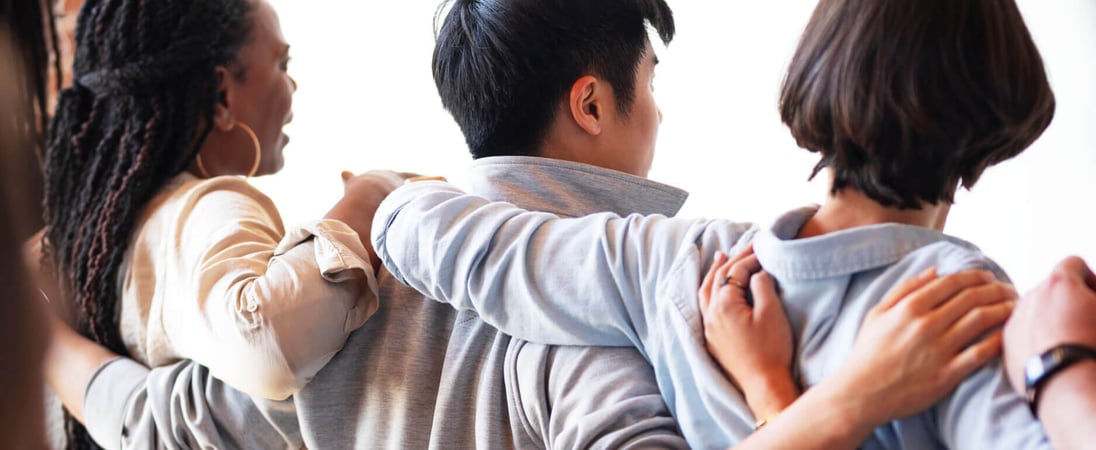
Aiming to change the narrative that has been told about scars being ugly, We Are Not Broken Day works to bring people from all over the world together to honor their wounds and share their scars as they share their healing.
History of International We Are Not Broken Day
International We Are Not Broken Day was founded in 2019 to raise awareness about the fact that all people, including trauma survivors, trauma patients, and those with other mental health issues, deserve to be treated with dignity and not considered “broken”.
The event was established through the efforts of the We Are Not Broken (WANB) organization, whose founder was Nichola Cotto.
This group of people is particularly geared toward telling the stories of women and girls who have experienced trauma.
Their work aims to bring healing, empowerment, and improved mental health by revealing difficulties and embracing trauma through photography of the women’s scars.
International We Are Not Broken Day Timeline
1978
Founding of Alternatives Conferences
The Alternatives Conferences began in 1978 in the United States, serving as a platform for mental health consumers and psychiatric survivors to advocate for their rights and share experiences.
These gatherings underscore the importance of patient-led recovery and challenge stigma around mental health issues.
1980s
Rise of the Body Positivity Movement
During the 1980s, the body positivity movement gained momentum, focusing on acceptance and celebration of diverse body types.
This movement promotes self-love and challenges societal standards of beauty.
1990
Establishment of Body Positive
The organization Body Positive was created to support individuals embracing body diversity, advocating for self-acceptance and challenging normative body ideals.
2000s
Expansion of Trauma-Informed Care
The early 2000s saw a significant shift towards trauma-informed care in various sectors, emphasizing safety, trustworthiness, peer support, and empowerment in treating trauma survivors.
2017
Global Impact of the #MeToo Movement
Sparked by Tarana Burke, the #MeToo movement empowered victims of sexual abuse and violence globally, highlighting the prevalence of sexual harassment and advocating for accountability.
How to Celebrate International We Are Not Broken Day
Share Your Story
Those who have been working to heal from traumatic experiences, whether from physical abuse, natural disasters, medical emergencies, accidents, psychological abuse, or some other type of trauma, may be interested in participating in We Are Not Broken Day by telling their stories when they are ready.
Share with a friend, write it on a blog, or share it on social media through with scar photos, to help normalize the idea that people who have suffered are not broken!
Support a Friend
Those who haven’t been through trauma themselves but know someone who has can take some time on We Are Not Broken Day to show some encouragement.
One of the best ways to do this is simply by offering friendship and a listening countenance.
Send them a note to tell them that they are seen and cared for, or treat them to something special like dinner out, a pedicure, or some other small way to say how much you care.
Visit the WANB Gallery of Scars
To gain a better understanding of the work that We Are Not Broken Day represents, head over to their online gallery that houses photos of women and their scars.
The organization works to help women feel beautiful and confident about wearing their scars and being proud of the healing that has come behind them. It’s also possible to purchase a copy of a book along the same theme, called Scar Stories.
Reach Out to Find Healing
Those who have experienced trauma but have not been able to find healing for their scars may take We Are Not Broken Day as a motivation to get help.
Some might want to reach out to a trusted friend or family member or make an appointment with a trauma-informed therapist.
Others might prefer to start through a non-profit organization that focuses on helping people recover from trauma, like one of these:
- The Trauma Survivors Foundation
- Partnerships for Trauma Recovery
- CPTSD Foundation
- National Alliance of Trauma Recovery Centers
Facts About International We Are Not Broken Day
Historical Impact of Psychiatric Survivor Movements
The psychiatric survivor movement, emerging in the late 20th century, has profoundly influenced mental health advocacy by promoting peer support, patient rights, and empowerment.
These historical shifts continue to inform modern approaches to trauma recovery and community-based mental health support.
The Science of Narrative Therapy
to aid in trauma recovery by helping individuals reconstruct and reclaim their narratives in a supportive environment, promoting healing and resilience.
Peer Support’s Role in Mental Health
Peer support programs, where individuals who have experienced similar issues provide mutual assistance, have become integral in mental health recovery.
Studies indicate that these programs can reduce symptoms and improve psychological well-being by fostering social connections and shared understanding.
Risks of Public Trauma Disclosure
Expressing traumatic experiences publicly, especially without adequate support, can expose individuals to risks such as retraumatization and social backlash.
Research underscores the need for safe, controlled environments to protect mental well-being during such disclosures.
Community-Based Trauma Recovery
Historically, community-led approaches to trauma recovery have been emphasized in psychological and public health initiatives. By fostering an environment of collective healing and storytelling, these methods support individuals in rebuilding their mental health in a communal setting.
FAQs
International We Are Not Broken Day FAQs
How does storytelling aid in trauma recovery?
Storytelling aids in trauma recovery by helping individuals integrate traumatic memories, reduce symptoms of PTSD, and foster social support.
It offers a therapeutic way to process experiences and emotions. Creative storytelling through art or writing can externalize experiences, helping reclaim agency.
Why is self-acceptance crucial for healing from trauma?
Self-acceptance is crucial for healing from trauma as it allows individuals to acknowledge and embrace all aspects of themselves, including their trauma.
This acceptance reduces self-stigma and promotes psychological resilience, helping individuals to heal emotionally.
What role does community play in the recovery process for trauma survivors?
Community plays a significant role in trauma recovery by providing support, understanding, and connection.
Being part of a supportive community reduces feelings of isolation, enhances emotional support, and increases resilience by offering practical resources and shared experiences.
Can creative expression help with emotional healing?
Yes, creative expression such as photography, painting, or writing can aid emotional healing by allowing individuals to express their feelings non-verbally.
This form of expression can help process difficult emotions, promote self-discovery, and result in a sense of empowerment and achievement.
How can society change perceptions of individuals impacted by trauma?
Society can change perceptions by normalizing conversations about trauma and promoting narratives that emphasize resilience and strength rather than brokenness.
Public awareness campaigns and educational efforts that focus on empathy and understanding can help shift public opinion and reduce stigma.
Also on ...
View all holidays
Kid Inventors’ Day
These young minds are like mini scientists, creating ingenious solutions to everyday problems with their boundless curiosity and creativity.

Benjamin Franklin Day
A polymath with many talents, from inventing to writing, Franklin's contribution to American history will never be forgotten.

Soup Swap Day
There's nothing better than a warm bowl of homemade soup on a chilly day! Swap your soup with friends for a fun way to mix up your meals.
We think you may also like...

R U OK? Day
Extending genuine care, ensuring well-being, and fostering connections through thoughtful moments of empathy and support.
Self-Injury Awareness Day
Promote understanding and compassion for those facing internal struggles, encouraging empathy and supportive conversations for mental health.
Alzheimer’s & Brain Awareness Month
Promoting understanding, advancing research, and supporting those affected to make a meaningful impact on cognitive health.