
Juneteenth is a vibrant celebration that marks an essential chapter in American history. Every year on this day, people across the United States celebrate this day to honor the end of slavery.
How to Celebrate Juneteenth
Now, let’s talk about celebrations. How do you mark such a monumental day?
Host a Freedom Feast: Whip up dishes that sing with flavors of freedom. Think red foods for resilience and liberation, like watermelon, red velvet cake, or anything that brings the color of Juneteenth to life.
Bust Some Moves: Organize a dance party. Whether it’s in your living room or backyard, let the rhythm of freedom move you. From traditional African dances to modern moves, let every step honor the journey to freedom.
Storytime Under the Stars: Gather friends and family for an evening of storytelling. Share tales of heroes from the past, or better yet, invite elders to share their stories. It’s history live and unplugged.
Art Attack: Get creative with a Juneteenth art project. Paint, sculpt, or craft pieces that reflect the spirit of the day. It’s a hands-on way to connect with history and express what freedom means to you.
Picnic with Purpose: Pack a basket, grab a blanket, and head to a local park for a Juneteenth picnic. Make it a potluck of purpose, where each dish comes with a story of freedom or triumph.
Learn and Grow: Attend a workshop or seminar (virtual counts, too!) about African American history and culture. Knowledge is power, and what better day to empower yourself?
Give Back: Volunteer or support black-owned businesses. Juneteenth is about community, so show some love and help lift others up.
Celebrating Juneteenth is about embracing freedom, honoring ancestors, and committing to a future where equality isn’t just a dream. So, how will you make your mark this Juneteenth?
Why Observe Juneteenth
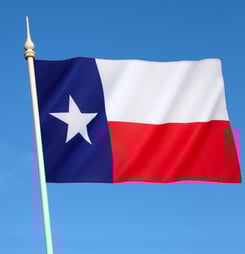
This event started in Texas in 1865 when enslaved African Americans in Galveston were informed by Union soldiers that they were free.
This news came two years after President Abraham Lincoln‘s Emancipation Proclamation, which had officially outlawed slavery. Despite the Proclamation, slavery persisted in several places until the end of the Civil War and the arrival of Union troops who ensured freedom was enforced.
Juneteenth stands out as not just a day of celebration but also a moment for reflection and education. It’s a time when communities gather to remember the struggle for freedom and equality and to celebrate African American culture and achievements.
From its origins, the day has featured music, food, and gatherings as a way to bring people together in both celebration and solidarity. Over time, it has grown from a Texas tradition to a national day of recognition, becoming the first new federal holiday established since Martin Luther King Jr. Day in 1983.
The significance of Juneteenth lies in its embodiment of freedom and resilience. It reminds us of a past where freedom was only granted through struggle and determination. Recognized also as Emancipation Day, Freedom Day, and Juneteenth Independence Day, this holiday serves as a reminder of the fight for civil rights and the ongoing journey toward equality.
It’s a day that connects the African American experience with broader global movements for justice and freedom, celebrating the end of slavery and reflecting on the broader implications of freedom and what it means to be truly free.
Juneteenth Timeline
Slavery Abolished in U.S. Federal Territories
President Abraham Lincoln signed a law ending slavery in all federal territories, an early wartime step that narrowed slavery’s legal reach before full emancipation.
Emancipation Proclamation Takes Effect
Lincoln’s Emancipation Proclamation becomes operative, declaring enslaved people in areas under Confederate control to be free wherever Union authority can be enforced.
Freedmen’s Bureau Established
Congress creates the Bureau of Refugees, Freedmen, and Abandoned Lands to help formerly enslaved people transition to freedom, negotiate labor, and secure education and basic rights.
General Order No. 3 Announces Freedom in Texas
Union Major General Gordon Granger issues General Order No. 3 in Galveston, informing Texans that all enslaved people are free under a proclamation from the U.S. president.
First Recorded Emancipation Gatherings in Texas
Within a year of Granger’s order, freedpeople in Texas held June 19 church services and community gatherings, creating an annual tradition of emancipation celebrations.
Emancipation Park Purchased in Houston
Formerly enslaved Black community leaders in Houston bought about 10 acres of land, establishing Emancipation Park as a permanent, Black-owned site for June 19 freedom celebrations.
Thirteenth Amendment Ratified
The United States ratified the Thirteenth Amendment, abolishing slavery and involuntary servitude nationwide except as criminal punishment, legally completing the end of chattel slavery.
History of Juneteenth
Juneteenth’s tale is full of surprises and late-breaking news. Imagine, if you will, a world where news traveled not by tweet or text but by horseback.
That’s right, back in 1865, when General Granger rode into Galveston, Texas, he wasn’t just passing through.
He brought a message that would turn the town on its head: all enslaved people were free at last. This bombshell dropped a whole two years after President Lincoln had already signed the Emancipation Proclamation. Talk about snail mail!
This news sparked what we now call Juneteenth, a blend of “June” and “nineteenth,” the date that freedom’s message finally landed.
It’s a day that went viral in the best way, spreading from Texas to become a nationwide celebration of freedom, resilience, and African American culture. Think of it as the ultimate block party, where history and hope dance hand in hand. But Juneteenth is more than just a day on the calendar; it’s a vibe, a reflection on how far we’ve come, and a reminder of the journey ahead.
It started with cookouts and gatherings in Texas and has since ballooned into a full-blown national holiday. From parades and concerts to educational events, Juneteenth is a time to honor those who fought for freedom and to celebrate the vibrant tapestry of African American culture.
This vital look back at American history teaches us the power of persistence and the joy of freedom. It reminds us that sometimes, the news worth waiting for is the kind that changes the world. So next time Juneteenth rolls around, remember the tale of tardy tidings that sparked a celebration of liberty, equality, and community.
Freedom Came Late to Texas
When General Order No. 3 was read in Galveston on June 19, 1865, it enforced a freedom Texans had technically held since January 1, 1863, under the Emancipation Proclamation. Historians point out that Texas’ distance from major battlefronts, its status as a refuge for slaveholders, and the continued strength of Confederate control meant slavery persisted in practice there for roughly two and a half years after it was legally declared ended in Confederate territory.
General Order No. 3 Promised “Absolute Equality” but Reinforced Control
General Order No. 3 did more than announce freedom. It declared that emancipation involved “an absolute equality of personal rights and rights of property” between former masters and enslaved people, yet in the same breath it advised freedpeople to remain “at their present homes and work for wages” and warned they would not be supported in “idleness.” Scholars note that this language reveals how federal authorities framed freedom in Texas as wage labor that still kept Black workers under close supervision.
Red Drinks at Emancipation Feasts Draw on African Traditions
One of the most distinctive features of emancipation and Juneteenth celebrations is the prominence of red foods and drinks, especially “red soda water,” strawberry soda, and hibiscus teas. Cultural historians and museum curators trace this practice partly to West and Central African traditions where red-colored drinks and foods are used in rituals of sacrifice, spirituality, and remembrance, and interpret the color in Juneteenth cuisine as honoring the blood, resilience, and survival of enslaved people and their descendants.
Black Texans Bought Their Own Park for Emancipation Gatherings
In 1872, just a few years after emancipation, Black ministers and community leaders in Houston, including Reverend Jack Yates, pooled $1,000 to purchase ten acres of land expressly so African Americans could celebrate emancipation without interference from white authorities. That land became Emancipation Park, believed to be the oldest public park in Texas purchased and owned by Black people, and it remained a central site for Juneteenth and other freedom festivities well into the twentieth century.
Freedom Colonies Preserved Land and Memory After Slavery
Following emancipation, thousands of formerly enslaved Texans formed rural, Black-founded settlements often called “freedom colonies” or freedmen’s communities. Research by the Texas Freedom Colonies Project has identified 557 such historically Black settlements, with at least 377 locations verified through maps, deeds, and fieldwork, showing how freedpeople used landownership and tight-knit communities to carve out safety, self-governance, and spaces for emancipation commemorations.
Emancipation Was a Process, Not a Single Date
Juneteenth highlights how emancipation unfolded unevenly across the United States, but it was part of a wider patchwork of abolition milestones. Legal slavery did not end nationwide until the Thirteenth Amendment was ratified on December 6, 1865, and other countries in the Americas ended slavery on different timelines, from Britain’s empire-wide abolition in 1834–1838, commemorated as Emancipation Day on August 1 in many Caribbean nations, to Brazil’s “Golden Law” of 1888, which inspired its own emancipation observances.
Descendants of the Enslaved Still Bear Measurable Economic Scars
Modern economic research following families over generations shows that Black Americans whose ancestors were enslaved until the Civil War, largely in former slave states such as Texas that later enforced Jim Crow laws, have significantly lower average education, income, and wealth today than Black Americans whose ancestors were already free. This work quantifies how the legacy of slavery, delayed emancipation, and discriminatory postwar institutions continues to shape life chances long after the moment of legal freedom.