Kid Inventors’ Day
These young minds are like mini scientists, creating ingenious solutions to everyday problems with their boundless curiosity and creativity.
Pablo Picasso
Every child is an artist. The problem is how to remain an artist once he grows up.
Just because children possess less knowledge of how the world works, that doesn’t mean they can’t have ideas for practical and useful inventions.
In fact, many people believe that children are capable of being particularly creative for the simple reason that they don’t yet know how difficult many things are, and are therefore able to imagine much more than adults.
There are plenty of things we enjoy on an everyday basis that were invented by children or teenagers. And if their creativity doesn’t deserve recognition, what does?
Kid Inventors’ Day is a time to celebrate all the kids who dared to defy the world and come up with better solutions than all of the adults before them!
History of Kid Inventors’ Day
Kid Inventors’ Day (K.I.D.) was founded in the early 2000s by people who wanted to celebrate the achievements of the youngest inventors as well as encourage more children to be creative.
The date chosen to celebrate was no accident—it is the anniversary of renowned polymath, politician and child inventor Benjamin Franklin’s birthday.
Due to his countless other achievements, many people don’t know that when Franklin was just 12 years old, he invented the world’s first swim flippers, making him a great role model for every child who dreams of making something nobody has ever seen before.
Over the centuries, other children have invented many other things we continue to use today, such as popsicles (a very tasty accident!), the trampoline, and ear muffs.
Perhaps one of the most impressive things invented by a child is the language of the blind now used the world over, Braille.
Louis Braille, its inventor, lost his vision in a tragic accident at age 3 and spent his early teen years developing his new language while studying at The National Institute for Blind Youth in Paris.
Almost 200 years later, American teen Ryan Patterson also improved the lives of the disabled when he invented a glove with special sensors that translates the hand motions of American Sign Language into written words on a digital display.
Kid Inventors’ Day Timeline
1824
Louis Braille Creates the Braille System
Louis Braille, at 15, invented the tactile Braille system, revolutionizing reading and writing for the visually impaired globally.
1873
Chester Greenwood Invents Earmuffs
Teenager Chester Greenwood designed earmuffs at age 15 to keep his ears warm during the cold Maine winters. His innovation became popular, particularly in colder climates.
1905
Frank Epperson’s Accidental Invention of the Popsicle
At 11 years old, Frank Epperson left a mixture of powdered soda and water with a stick outside, inadvertently inventing the Popsicle—a favorite frozen treat worldwide.
1922
Ralph Samuelson Invents Water Skis
Ralph Samuelson, at 18, pioneered water skiing on Lake Pepin, Minnesota. Combining traditional skiing techniques with aquatic balance, he set the foundation for a new water sport.
1930s
George Nissen Develops the Trampoline
While still a young adult, George Nissen co-developed the trampoline—a tool that transitioned from acrobatic training aid to popular recreational and competitive sports equipment.
How to Celebrate Kid Inventors’ Day
Encourage Kids to Be Creative
For parents, teachers or others with kids in their lives, Kid Inventors’ Day could easily turn out to be one of the most educational and at the same time fun days you’ve ever spent together.
Children’s minds are yet unlimited by the knowledge of what’s possible and what’s not, and as sometimes just believing that something is possible is enough to make it so, you may be truly astounded at the ideas your children come up with.
Who knows, perhaps you are unwittingly living under the same roof as a potential Ben Franklin?
Get Inventive with Activities and Ideas
The Kid Inventors’ Day website also offers plenty of fun ideas on how to spend this day creatively and productively, such as taking part in a rubber band contest for young inventors.
If you live nearby a museum, this is also the perfect day to take your children there to look at all of the amazing things people have made over the ages that can serve as inspiration to them.
However you decide to spend this day, be sure to raise awareness about how much children can achieve and encourage them to reach for the stars!
Facts About Kid’s Inventor Day
Frank Epperson’s Popsicle Innovation
Frank Epperson accidentally invented the ice pop, later known as the Popsicle, at around age 11 in 1905. By leaving a mixture of powdered soda and water to freeze overnight with a stirring stick in it, Epperson created a beloved treat, which he later patented in 1924.
Louis Braille and the Braille System
At just 15 years old, Louis Braille developed the tactile writing system for the blind known as Braille. Blind from a young age, his invention transformed communication for visually impaired individuals worldwide.
Chester Greenwood’s Ear Protection
Chester Greenwood invented earmuffs at 15, inspired by the chilly conditions of his Maine hometown. Receiving a patent in 1877, his design included a flexible band and warm pads, revolutionizing winter wear.
Benjamin Franklin: Early Innovation
Benjamin Franklin, at the age of 12, invented swimming flippers for the hands, showcasing his early penchant for practical inventions that would later define his innovative legacy.
FAQs
Kid Inventors’ Day FAQs
What are some notable inventions created by children?
Children have played a significant role in inventing impactful products that continue to influence various aspects of life.
Louis Braille developed the Braille system at just 15, revolutionizing accessibility for the visually impaired.
Similarly, Frank Epperson invented the Popsicle at 11, while the trampoline and earmuffs were also child inventions, highlighting the creative potential of young minds.
How can invention activities benefit childhood education?
Invention activities encourage the development of critical thinking, enhance problem-solving skills, and boost creativity in children.
Engaging in such activities often strengthens STEM/STEAM fundamentals and fosters a proactive learning mindset, which is crucial for academic achievement and future career success.
In what ways do young inventors contribute to society today?
Young inventors continue to contribute fresh perspectives and innovative solutions across different fields.
Their ability to approach problems with unique, unencumbered views can lead to breakthroughs that address societal challenges, from simple everyday conveniences to complex technological advancements.
What skills do children develop through inventing?
Inventing nurtures various valuable skills in children, including creativity, perseverance, strategic thinking, and technical skills.
These skills not only aid in academic performance but also prepare children for diverse future opportunities and adaptations in a rapidly changing world.
Why is it important to encourage creativity and invention in children?
Encouraging creativity and invention in children cultivates their ability to innovate and adapt, which is essential for personal growth and for meeting future societal needs.
Fostering a creative environment helps children build confidence and resilience essential for lifelong learning and success.
Also on ...
View all holidays
Benjamin Franklin Day
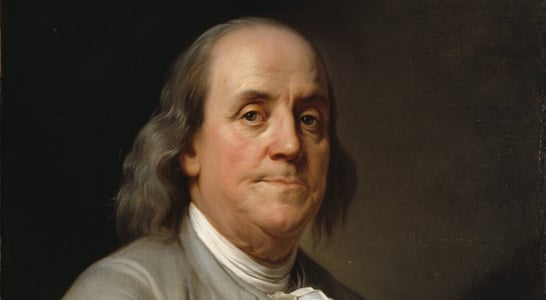
A polymath with many talents, from inventing to writing, Franklin's contribution to American history will never be forgotten.

Soup Swap Day
There's nothing better than a warm bowl of homemade soup on a chilly day! Swap your soup with friends for a fun way to mix up your meals.

We think you may also like...

World Tessellation Day
Try creating your own tessellation using paper, pen, and scissors to help wrap your mind around these strange and fascinating math-based patterns.

International Day of Women and Girls in Science
Trailblazing minds, breaking barriers, these brilliant minds shape the future. Science celebrates diversity, empowering women and girls to flourish in innovation and discovery.