National Kraut and Frankfurter Week
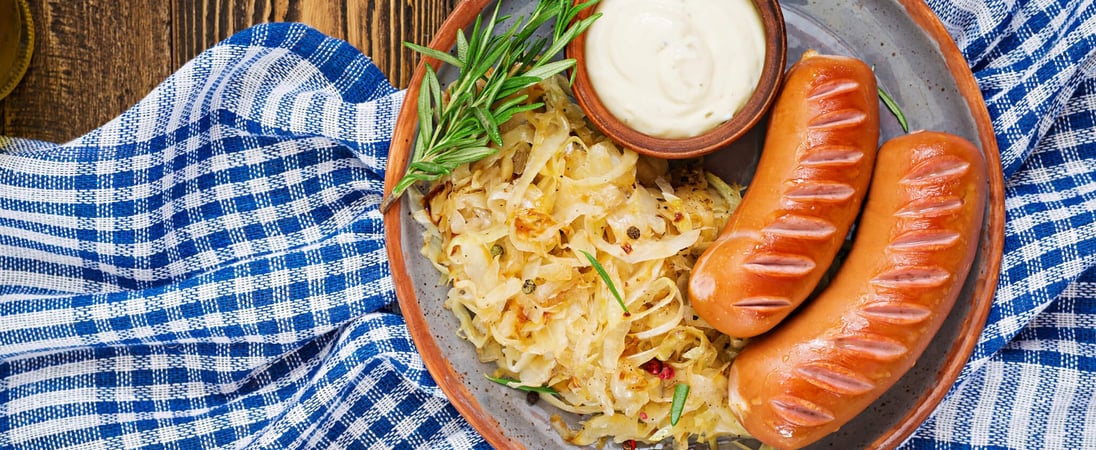
If you're looking for a meal that's both hearty and full of personality, look no further than the dynamic duo of sauerkraut and frankfurters!
Sauerkraut and frankfurters have always been considered to be a German cuisine that’s filling and comforting. However, many don’t realize how integrated the history of these two foods has been throughout people’s lives.
People all over the world come from everywhere to try out these tasty foods, and during National Kraut and Frankfurter Week, people get to celebrate and learn about the history of these great foods!
How to Celebrate National Kraut and Frankfurter Week
Make Some Franks
Take the time to have a backyard barbecue or outdoor picnic and have some hotdogs with sauerkraut! Try your hand at making your own frankfurters and sauerkraut using online recipes or head on over to your local grocery store and purchase your favorite brand.
Enjoy Some German Foods
If you want a more authentic experience, then head on over to your local Amish community or German festival to try some authentic German cuisine. If you live in New York City, head on over to Coney Island to try some famous Nathan’s hotdogs.
Share with Others
Post about this holiday on social media to let your friends and family know it’s a great time to eat delicious food and have a good time!
History of National Kraut and Frankfurter Week
Sauerkraut, although many believe it to be a German invention, began during the times of Ancient China over 2,000 years ago, made with shredded cabbage fermented in rice wine. A thousand years later is it believed to have been brought over to Europe by Genghis Kahn.
The German and Dutch then incorporated this dish into their lifestyles, using it as a way to prevent scurvy. The frankfurter or a meat sausage usually made with pork, has been around since the middle ages and were named after the city of Frankfurt, Germany.
These sausages were originally served at the Imperial coronation ceremonies at the Römerberg. Both sauerkraut and frankfurters were soon introduced to the United States during the 1800s by Pennsylvania Dutch and German settlers.
During WWII, it is said that due to the concerns made from the product’s German name, Sauerkraut was relabeled as Liberty Cabbage throughout the duration of the war. Although today it’s reverted back to its original name, both frankfurters and sauerkraut have become a stable part of American cuisine.
During the early 1900s, hot-dog stands appeared, selling the sausages as sandwiches in Coney Island, New York, which also contributed towards its associations with picnics, barbecues, and athletic events.
National Kraut and Frankfurter Week celebrates the history of these two foods and their delicious combinations in hopes to show how the combinations of cultures can produce tasty dishes for everyone to enjoy.
Also on ...
View all holidays
National Kite Flying Day
Colorful sails dancing in the sky, held by invisible strings, challenging the wind's whims in a delightful game of high-flying freedom.


National Molasses Bar Day
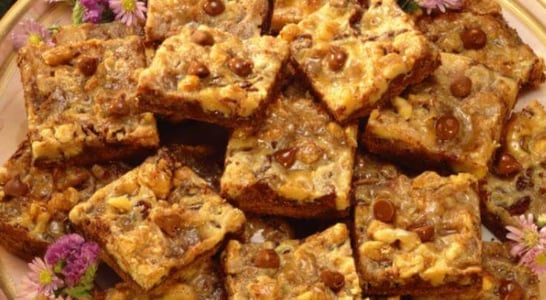
From rich gingerbread to sweet BBQ sauce, it's the secret ingredient in many beloved recipes, adding a deep, earthy sweetness.
We think you may also like...
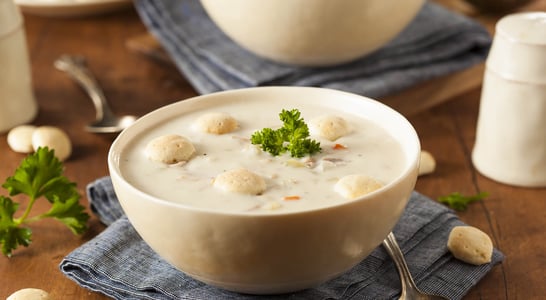
National Clam Chowder Day
It's like a warm, creamy ocean hug for the taste buds, rich with the essence of the briny deep, bringing comfort in every spoonful.
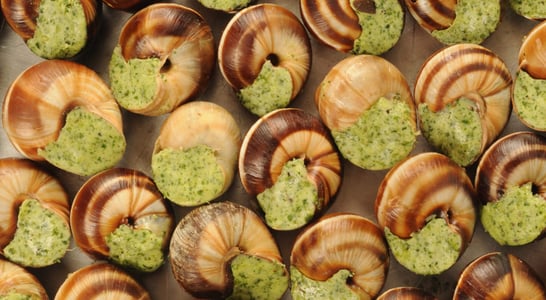
National Escargot Day
It was a brave man who first ate a snail. Yet, escargot is a classic French delicacy, and possibly the first farmed creatures in history. Give it a try, at least.