When is Kumbh Mela?
-

Kumbh Mela is a grand spiritual festival that draws millions to sacred rivers in India. Pilgrims, saints, and visitors gather to bathe in these waters, which they believe can wash away sins and bring them closer to spiritual freedom.
During this time, people feel a deep connection to their faith, seeking purity through rituals in sacred rivers like the Ganges and Yamuna.
The day holds immense significance, as many believe that immersing themselves in the holy waters on this particular day can grant rare blessings. It’s not just about bathing, though.
The air is filled with a sense of shared purpose. People of all backgrounds come together, whether they’re there to seek enlightenment or experience the incredible scale of human gathering.
This unique convergence of devotion, spirituality, and tradition makes Kumbh Mela one of the most extraordinary festivals in the world.
The heart of Kumbh Mela is the holy dip in the river, which is believed to wash away one’s sins. Jump in! Whether you’re a believer or just curious, a quick plunge can be an experience like no other.
People from all over India come for this sacred bath, so take part and feel the powerful energy of the moment.
Around the festival, spiritual camps pop up like magic. Each camp is led by saints, monks, and spiritual gurus offering teachings, chants, and rituals.
Wander through these camps, attend talks, or simply soak in the atmosphere. You might even pick up some wisdom along the way.
After a long day of exploring, it’s time to dig into some local bites. Kumbh Mela offers delicious vegetarian food stalls that give you a real taste of traditional flavors.
Snack on fresh fruits, enjoy simple yet tasty street food, and fill up on hearty meals. Don’t miss out!
Processions are like mini-parades of faith and devotion. People carry sacred images, sing, and dance their way through the crowd.
These lively displays are fun to watch but even more exciting to join! Step into the rhythm and be part of the flow.
Kumbh Mela isn’t just a solitary journey—millions of people are there, too. Strike up a conversation with someone from another part of the world or sit with a group sharing stories by the river.
You’ll discover it’s not just about spirituality but also about connection and unity.
Kumbh Mela has roots in ancient Hindu traditions, stretching back thousands of years. It started as a religious gathering inspired by a mythological tale.
According to legend, gods and demons fought over a sacred pot of nectar known as Amrita. During this battle, drops of the nectar fell at four places on Earth: Haridwar, Prayag (Allahabad), Ujjain, and Nasik. These locations became the sacred sites of the Kumbh Mela.
The exact beginning of the festival is hard to trace, but it’s believed that it evolved from smaller pilgrimages.
Ancient scriptures like the Vedas and Puranas mention the importance of bathing in sacred rivers. Hindu sages started encouraging people to gather at these rivers to wash away their sins and seek blessings. This tradition grew over time into the massive event it is today.
The earliest large-scale Kumbh Mela gatherings likely began during the reign of King Harshavardhan in the 7th century.
He was known for his generosity and devotion, organizing large religious assemblies where he distributed wealth and food to the pilgrims. His actions helped solidify Kumbh Mela as a significant religious event.
Over the centuries, the festival grew in size and importance. It became a place where people from different regions and backgrounds could unite.
British colonial records mention Kumbh Mela in the 19th century, noting its large crowds and spiritual significance. Today, the festival remains one of the largest gatherings on Earth, attracting millions of pilgrims every time it’s held.
Every year, on March 14th, people around the globe observe the International Day of Action for Rivers. This day highlights the vital role rivers play in everyday life, from supplying drinking water and irrigating crops to supporting fisheries, recreation, and spiritual and cultural traditions. Rivers are not just moving water, either...
National River Cleanup Day is all about rolling up sleeves and giving rivers a fresh start. It invites people to trade scrolling for strolling, head to the water’s edge, and do something wonderfully practical: remove the stuff that never belonged there in the first place. Gloves go on, bags open...
They carve their way through the earth, providing a playground for adventure seekers and a peaceful refuge for nature lovers.
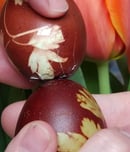
The Egg Cracking Competition, known as tsougrisma in Greek, is a lively tradition celebrated during Greek Easter. Participants hold red-dyed eggs and take turns tapping them against each other. The goal is to crack the opponent’s egg without breaking your own. This playful event is more than just a game...
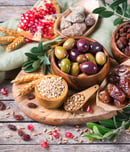
A Jewish holiday celebrating the "New Year for Trees" and the renewal of nature, reflecting on our relationship with the environment.

Treat yourself to a fun bath time toy, attend a convention to admire people’s collections or race these bobbing birds to raise funds for good causes.

Tuning in to the airwaves for captivating stories, eclectic music, and thought-provoking discussions that light up the airwaves with knowledge and inspiration.

The unique fusion of Korean and American cultures creates a rich tapestry of art, music, food, and language that's not to be missed!
Seize Every Day
Join free for personalised recommendations, email reminders and exclusive guides. Never miss a day.