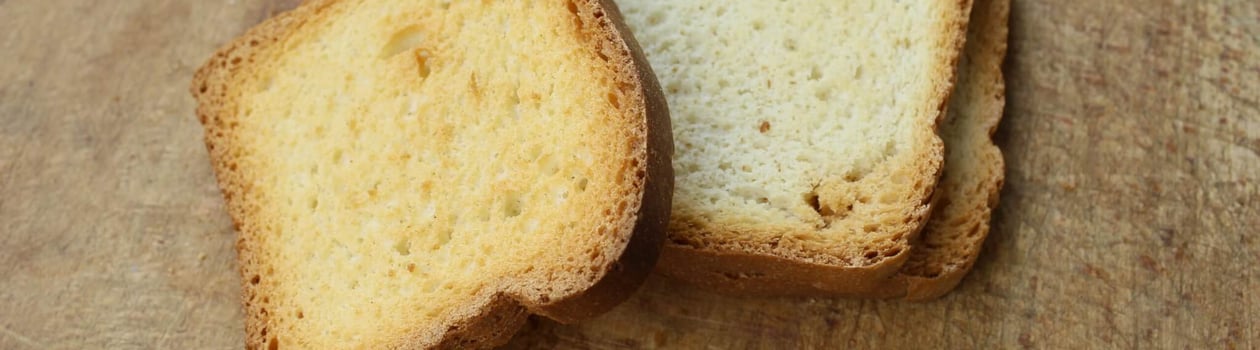
Imagine a day dedicated to celebrating a snack as simple and delightful as Melba toast. That’s exactly what happens on National Melba Toast Day, observed every year on March 23rd.
This special day isn’t just about enjoying a crispy, thin slice of toast; it’s a nod to the fascinating story behind this humble food item.
The origin of Melba toast traces back to the late 19th century. It was created by French chef Auguste Escoffier, who was inspired by his favorite opera singer, Dame Nellie Melba.
When Melba fell ill and needed a light diet, Escoffier crafted this unique toast to suit her needs. It’s fascinating how a chef’s admiration for an opera singer led to a culinary creation that’s still loved today.
Celebrating National Melba Toast Day is easy and fun. You can start by grabbing a box of Melba toast and enjoying it throughout the day. It’s great on its own or with various toppings like cheese, fruits, or spreads.
The toast is versatile, making it perfect for snacks or as part of different recipes. This day reminds us that even something as small as a slice of toast can have a big story behind it, filled with creativity, admiration, and a touch of history.
So, on March 23rd, let’s raise a slice of Melba toast to celebrate its unique story and delicious crunch.
National Melba Toast Day Timeline
-
Escoffier Creates “Toast Marie” at the Savoy
French chef Auguste Escoffier develops an ultra-thin, twice-baked toast, initially called “Toast Marie,” while working at London’s Savoy Hotel.
-
“Melba Toast” Named for Dame Nellie Melba
Escoffier renames his crisp toast in honor of Australian soprano Nellie Melba, serving it as part of the light diet prescribed for the ailing diva.
-
Peach Melba Prefigures a Culinary Tribute
Several years before the toast, Escoffier created the dessert Peach Melba for Nellie Melba at the Savoy, establishing the pattern of naming dishes after her.
-
Mayo Clinic Popularizes Melba Toast in a Reducing Diet
The Mayo brothers include Melba toast in their widely publicized “Eighteen-Day Reducing Diet,” cementing its reputation as a low‑calorie, dietetic food.
-
Melba Toast Enters Hotel and Restaurant Menus
As international hotel cuisine standardizes, thin, crisp toast modeled on Escoffier’s recipe appears on menus as a refined accompaniment to soups and hors d’oeuvres.
-
Nellie Melba’s Operatic Breakthrough
Helen Porter Mitchell, soon famous as Nellie Melba, makes her acclaimed operatic debut as Gilda in Verdi’s Rigoletto in Brussels, beginning the celebrity that would inspire dishes named for her.
-
From Restaurant Specialty to Packaged Pantry Staple
By the 1920s, Melba toast was widely produced commercially and sold in packages, moving from Escoffier’s dining room into home kitchens and hospital diets.
History of National Melba Toast Day
National Melba Toast Day, celebrated on March 23rd, has a story that’s as crisp and intriguing as the toast itself.
It all started with a renowned French chef named Auguste Escoffier, who was quite the fan of a famous opera singer, Dame Nellie Melba. Picture this: the 1890s, a time of grand operas and grander gestures of admiration.
Chef Escoffier, in his quest to create the perfect light snack for Dame Nellie during her illness, baked a special toast.
It was thin, crispy, and just right for someone on a delicate diet. This wasn’t your average toast; it was a labor of love, a culinary creation inspired by and named for the illustrious singer. Over time, this toast became known as Melba toast, a name that’s stuck around for over a century.
The actual origins of National Melba Toast Day are a bit hazy, but it’s clear the day celebrates more than just a snack. It’s a day that reminds us of the interesting connections between food, history, and culture.
On this day, folks all over enjoy Melba toast in various ways, be it plain or with a fancy topping. It’s a day to remember that sometimes, a simple slice of toast isn’t just a bite to eat; it’s a piece of history.
So, every year on March 23rd, we remember Chef Escoffier’s tribute to Dame Nellie Melba. We celebrate the crispy delight that is Melba toast and the story behind its creation.
It’s a tale that adds a bit of flavor to our snack time, showing us how food can be more than just sustenance; it can be a story, a memory, a piece of art.
How to Celebrate National Melba Toast Day
Celebrating National Melba Toast Day can be as fun and creative as you make it. Here are some quirky suggestions:
Toast to the Toast
Kick off the day with a breakfast featuring Melba toast. Top it with your favorite spread, such as jam, cheese, or avocado.
Melba Toast Challenge
Gather your friends for a Melba toast topping competition. See who can come up with the most delicious or unusual topping combination.
History Time
Do a little research on Dame Nellie Melba and Chef Escoffier. Share fun facts about them with friends or on social media.
Melba Toast Art
Get crafty and use Melba toast to create edible art. Think of it as a blank canvas for your culinary creativity.
Dinner with Melba
Host a dinner where every dish features Melba toast in some form – be it as a side, topping, or even main ingredient.
Melba Movie Night
Watch a movie or documentary about the era of Dame Nellie Melba, enjoying some Melba toast snacks as you watch.
Share the Love
Pack little bags of Melba toast with a note about its history and hand them out to friends, family, or colleagues.
Toast Tasting Party
Have a variety of Melba toast brands and types for a tasting party. Compare and find your favorite!
These ideas blend the history and fun of Melba toast into activities that everyone can enjoy. Remember, the key is to have fun and maybe learn something new about this crunchy snack!
International Day for Achievers Facts
Success is not just about talent or big breakthroughs. Research shows that recognition, small progress, clear goals, and meaningful feedback all shape how people stay motivated and perform at their best. These facts reveal the science behind achievement and what truly helps people keep moving forward.
-
Melba Toast Began as “Toast Marie”
When Auguste Escoffier first created what is now known as Melba toast in the late 1890s, he reportedly called it “Toast Marie,” after his then-wife.
Only later, when it became closely associated with the Australian soprano Nellie Melba, did the crisp bread take on her stage name and enter culinary history under its new title.
-
A Slimming Fad in the 1920s
Melba toast’s extreme dryness and lightness helped it become a fashionable “diet food” in the 1920s.
The Mayo brothers of the Mayo Clinic promoted it as part of their “Eighteen Day Reducing Diet,” which was followed by actress Ethel Barrymore and widely reported in the press, giving the humble toast a reputation as a slimming aid.
-
Twice-Baked Bread for Long Shelf Life
Melba toast belongs to a long tradition of twice-baked breads, similar to rusks and zwieback, where moisture is driven off in a second baking to produce a very low water activity product.
Modern food science shows that such dry products resist microbial spoilage far longer than ordinary bread, which is why crisp toasts and crackers can be stored safely for weeks in airtight packaging.
-
A Texture Designed for Toppings
The signature paper-thin slices of Melba toast create a high ratio of crisp crust to crumb, giving a clean snap and a fairly neutral wheat flavor.
Sensory studies on crackers and crisp breads have found that this kind of brittle, low-fat, low-flavor base is ideal for highlighting soft, aromatic toppings such as cheese spreads, pâtés, and smoked fish, which is why Melba toast became a staple on hors d’oeuvre trays.
-
Nellie Melba Turned a City into a Stage Name
Dame Nellie Melba was born Helen Porter Mitchell in Melbourne, Australia, and chose “Melba” as her stage name as a tribute to her hometown.
By the height of her career, she was one of the world’s first global opera superstars, headlining at Covent Garden and the Metropolitan Opera and performing for European royalty, which helped ensure that dishes using her adopted name, including Melba toast, would be recognized internationally.
-
Escoffier’s Habit of Honoring Performers in the Kitchen
Auguste Escoffier frequently named dishes after artists, particularly singers he admired. Besides Melba toast, he created Peach Melba and Melba sauce for Nellie Melba, and other dishes like Tournedos Rossini for composer Gioachino Rossini.
This practice reflected the close ties between grand hotels, high society dining, and the world of opera in late 19th‑century Europe.
-
From Opera House to Advertising Icon
By the early 20th century, Nellie Melba’s fame was so great that her image and name appeared not just in concert bills but also in commercial promotions, from gramophone recordings to product endorsements.
Biographers note that she was among the first classical singers to leverage emerging technologies like early recording and radio, which helped spread both her voice and the Melba name far beyond the opera houses of Europe.