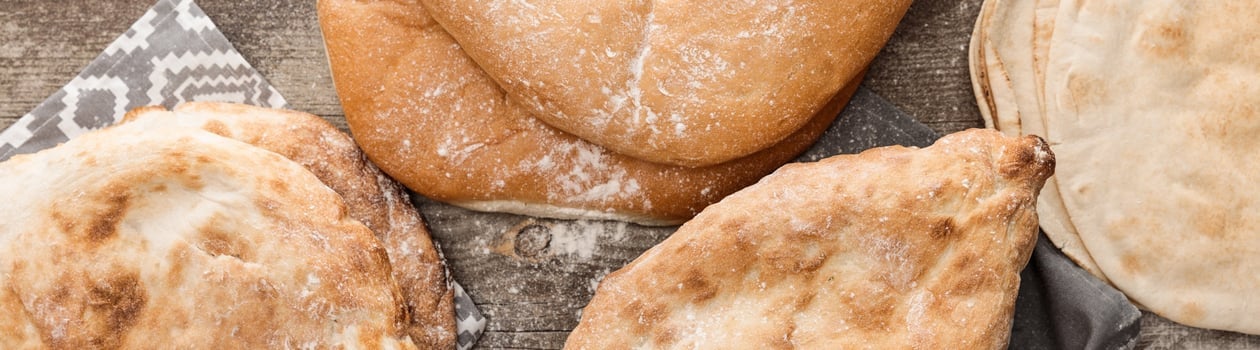
Did you know there’s a special day dedicated to pita bread? National Pita Day honors this beloved flatbread, cherished in Mediterranean and Middle Eastern cuisines. Soft and versatile, pita serves as a vessel for countless fillings, from savory meats to fresh vegetables.
Its unique pocket makes it perfect for scooping up flavorful dips like hummus or tzatziki. This day celebrates the joy and community found in sharing meals that feature this humble yet essential bread.
On National Pita Day, food enthusiasts come together to appreciate pita’s role in diverse culinary traditions.
Whether enjoyed as a wrap, dipped into sauces, or baked into chips, pita brings people together around the table. This celebration encourages everyone to explore new recipes and savor the simple pleasure of this time-honored bread.
How to Celebrate National Pita Day
Ready to celebrate National Pita Day in style? Here are some playful ideas to make your day deliciously memorable:
Host a Pita Party
Invite friends over for a DIY pita extravaganza. Set up a spread with various fillings like grilled veggies, falafel, and tangy sauces. Everyone can create their own perfect pocket of flavor.
Try Your Hand at Homemade Pita
Why not bake your own pita bread? It’s simpler than you might think and fills your kitchen with an irresistible aroma. Plus, nothing beats the taste of fresh, warm pita straight from the oven.
Explore Global Flavors
Use pita as a canvas for international cuisines. From Mediterranean gyros to Middle Eastern shawarmas, the possibilities are endless. Experimenting with different spices and ingredients can transport your taste buds around the world.
Create Pita-Based Appetizers
Whip up quick and tasty appetizers using pita. Think pita chips with creamy dips or mini pita pizzas topped with your favorite ingredients. These bites are sure to be a hit at any gathering.
Support Local Eateries
Visit nearby restaurants known for their pita dishes. Enjoying a meal out not only satisfies your cravings but also supports local businesses. You might even discover a new favorite spot.
No matter how you choose to celebrate, National Pita Day is the perfect excuse to indulge in this versatile and tasty bread. Enjoy every bite!
National Pita Day Timeline
Stone Age Flatbreads in the Levant
Archaeological finds at a Natufian hunter‑gatherer site in northeastern Jordan show people making simple flatbreads from wild cereals, providing some of the earliest evidence for the kind of unleavened breads that later evolved into regional flatbreads such as pita.
Flatbread in Ancient Near Eastern Texts
Cuneiform tablets from Mesopotamia and biblical passages like Genesis 18 describe quickly baked flatbreads served with meals, reflecting a long tradition of thin, round breads across the Fertile Crescent that foreshadow modern pocket breads.
The word “Pita” Appears in Byzantine Greek
The term “pita” is first attested in Byzantine Greek in 1108, referring to a type of bread or pie; this word later passes into Modern Greek and is eventually borrowed into many European languages, including English.
Pita as Everyday Bread in the Eastern Mediterranean
By the late Ottoman period, soft round pocket breads were a daily staple in cities across the Levant and Eastern Mediterranean, commonly baked in clay or stone ovens and used to scoop stews, spreads, and salads.
“Pita” Enters the English Language
The Oxford English Dictionary records the first known use of the word “pita” in English in 1936, reflecting growing awareness in the English‑speaking world of Middle Eastern and Greek styles of flatbread.
Pita Gains a Foothold in the United States
During the 1970s health food movement, immigrant‑run Middle Eastern and Mediterranean bakeries helped popularize pita in American cities, where it is marketed as a lighter alternative to sliced sandwich bread.
Industrial Production Standardizes the Pocket Bread
Commercial bakeries adopt high‑temperature conveyor ovens that rapidly bake and inflate rounds of dough, making uniform pocket pitas widely available in supermarkets throughout Europe and North America.
History of National Pita Day
National Pita Day, observed every year on March 29, is a relatively new celebration. It first appeared in 2021, likely started by food lovers who wanted to highlight the importance of this staple bread.
While no single person or organization has officially claimed credit, the day quickly gained attention through social media and food-related websites. People around the world embraced the idea, sharing their favorite recipes and creative ways to enjoy pita.
The celebration reflects the growing love for this simple yet versatile bread. Found in many cultures, pita has been a dietary staple for centuries.
National Pita Day gives food enthusiasts a reason to explore its many uses, from stuffing it with fresh ingredients to using it for dipping into savory sauces. Restaurants, bakeries, and home cooks have joined in, offering special dishes or trying their hand at baking fresh pita.
The enthusiasm surrounding this day shows how food can bring people together. Whether enjoyed at a restaurant or made from scratch at home, pita continues to be a favorite.
Though its official origins remain unclear, the love for this beloved bread ensures National Pita Day will likely stick around for years to come.
Pita Bread: Ancient Origins, Modern Favorite
Simple, versatile, and loved around the world, pita bread carries a story that stretches back thousands of years.
From early flatbreads baked over open fires to today’s high-speed production lines, pita has evolved while keeping its signature pocket and comforting appeal.
These facts reveal how history, science, and culture have shaped one of the world’s most practical and enduring breads.
Pocket Bread With Stone Age Roots
Archaeologists have found charred remains of primitive flatbreads at a 14,500‑year‑old Natufian hunter‑gatherer site in the Levant, showing that people in the region that later became home to pita were grinding wild cereals and baking simple breads thousands of years before agriculture took hold.
How The Pita Pocket Actually Forms
The signature pocket in pita is created by physics, not by cutting: a thin, well‑hydrated wheat dough is baked for less than a minute in a very hot oven, often 430–500 °C, causing rapid steam formation that inflates the center like a balloon before the bread collapses again as it cools, leaving a hollow interior.
From Hearths To High‑Speed Lines
Modern commercial pita production bears little resemblance to ancient hearth baking. Large automated lines feed flour from 45,000‑kilogram silos, portion and flatten the dough, blast it in tunnel ovens at high temperatures for about a minute, and cool and package thousands of loaves per hour for global distribution.
Pita’s Rise In The American Bread Aisle
Pita remained little known in the United States until Middle Eastern immigration in the mid‑20th century, but by the 1970s, it was marketed as a lighter, low‑fat alternative to sandwich bread, and by the 1990s, the wholesale U.S. pita market alone was estimated at nearly 80 million dollars a year.
A Simple Formula With Room For Innovation
Classical pita dough uses a short list of ingredients, typically wheat flour, water, salt and yeast, yet food technologists now formulate “functional” versions by partially replacing flour with fibers or by‑products such as date seed powder, which can significantly increase dietary fiber and antioxidant content while still producing an acceptable pocket.
Part Of A Vast Flatbread Family
Pita belongs to a broad Mediterranean and Middle Eastern flatbread family that includes products like naan, barbari, lavash, and khobz, and flatbreads as a group represented more than 80 billion dollars of the global bread market in 2018, reflecting how central this style of bread is to daily diets around the world.
From Plate To Utensil
In many Middle Eastern settings, pita serves not just as food but as tableware, replacing both spoon and plate.
Industrial baking experts note that its flexible yet sturdy crumb and built‑in pocket make it ideal for scooping stews and salads or encasing fillings, which is why it has been so easily adapted into “oriental sandwiches” in global fast‑casual dining.