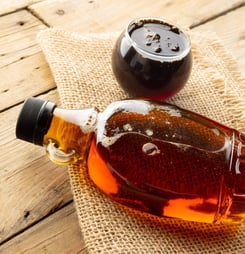
Molasses bars are the kind of old-fashioned baked treat that feels like it came with a story, even when it shows up on a modern bakery shelf. Molasses, or treacle in British English, is a thick, dark syrup made during sugar production from sugarcane or sugar beets.
It brings a deep, caramel-like sweetness plus a gentle bitter edge that makes spices taste warmer and richer. If molasses has never made it into the pantry, National Molasses Bar Day is a perfectly fitting reason to give it a try, preferably in chewy, snackable square form.
Unlike frosted cupcakes or intricately decorated cookies, molasses bars keep things simple: a dark, fragrant batter, a pan in the oven, and slices that travel well. They’re often associated with cozy spice flavors—ginger, cinnamon, clove—and a texture that leans chewy and moist instead of crisp.
For many people, the first bite tastes familiar even if they can’t quite place it, like a cross between gingerbread and a brownie’s satisfying density.
National Molasses Bar Day Timeline
First recorded use of “molasses” in English linked to the Atlantic sugar trade
Portuguese “melaço,” from Latin “mel” (honey), enters European languages as sugarcane byproducts like molasses move through Iberian and Atlantic commerce.
Molasses Act underscores importance of molasses in colonial North America
Earliest American cookbook features molasses-sweetened baking
Amelia Simmons’s “American Cookery,” the first known cookbook written by an American, includes recipes for gingerbread and cakes sweetened with molasses instead of costly refined sugar.
Boston “Molasses Act” city ordinance marks industrial-scale use
Boston enacts a municipal “Molasses Act” regulating the storage of large molasses tanks and barrels, reflecting the commodity’s importance in urban industry and shipping.
Fannie Farmer’s cookbook standardizes molasses in American home baking
“The Boston Cooking-School Cook Book” by Fannie Farmer popularizes standardized cup measures and includes numerous recipes for gingerbread, cookies, and breads flavored with molasses.
The Great Molasses Flood draws attention to molasses storage and trade
A 2.3‑million‑gallon tank of molasses bursts in Boston’s North End, killing 21 people and dramatizing how central bulk molasses shipments were to food and industrial production.
Wartime sugar rationing revives molasses as an everyday sweetener
During World War II, U.S. sugar rationing led government pamphlets and newspapers to promote molasses, sorghum, and other syrups as economical substitutes in cakes, cookies, and bar cookies.
How to Celebrate National Molasses Bar Day
Enjoy Eating Molasses Bars
Sometimes the most dedicated form of celebration is the one that requires the least cleanup. Molasses bars live comfortably in that space. You’ll find them anywhere baked goods lean cozy and classic—often nestled beside spice cookies, oatmeal bars, and brownies, looking modest until the first bite delivers that deep, bold flavor.
A few ways to make the “just buy them” plan feel special
- Do a texture tasting.
Molasses bars range from cakey to chewy, depending on the recipe. If you can, pick up two versions and compare. Chewier bars usually lean heavier on molasses and brown sugar and are baked just until set. - Pair them with something intentionally simple.
Molasses brings plenty of character on its own. It shines next to plain coffee or tea, a simple glass of milk, or a scoop of mild vanilla ice cream that lets the spices stay front and center. - Share them strategically.
Molasses is a flavor many people recognize from gingerbread or baked beans—even if they’re not sure they “like” it. Cutting bars into small squares lowers the commitment. A bite-sized piece often wins over skeptics faster than a full, saucer-sized cookie.
What “molasses bar” usually means in the wild
In bakeries, the label may read ginger molasses bars, spice molasses bars, or molasses squares. The common threads are a glossy, dark sweetness and a warm spice backdrop—typically cinnamon, ginger, and clove.
An extra-nice serving idea (no baking required)
Warm a bar briefly so the spices bloom, then add:
- a thin swipe of butter for salty-sweet contrast, or
- a spoonful of plain yogurt for a tangy counterpoint.
Even a light dusting of powdered sugar can turn a humble pan bar into something that feels intentionally chosen, not just convenient.
Try Making Molasses Bars
Molasses bars are friendly baking projects because they are less fussy than decorated cookies and sturdier than layer cakes. The dough is pressed into a pan, baked, cooled, and sliced. That’s it—no rolling pins, piping bags, or architectural planning required.
Practical tips that make a real difference
- Choose the right molasses.
Most recipes expect dark molasses, which delivers that classic, robust sweetness without the sharp bitterness of blackstrap. Blackstrap molasses is darker and less sweet, with a more intense edge that can overpower a bar unless the recipe is built for it. Light molasses is milder and sweeter, producing a softer, gentler flavor. - Let spices do their job.
Molasses loves company. Cinnamon and ginger are staples, while nutmeg and cloves add depth. If your spices have been lingering in the back of a cabinet, refreshing them can noticeably lift the final flavor. - Don’t overbake.
The appeal of molasses bars is their moist, chewy crumb. Bake just until the center looks set and a toothpick comes out clean or with a few moist crumbs. Extra minutes turn chew into dryness. - Cool completely before slicing.
Warm bars crumble and stick. Cooling lets the sugars set and the crumb hold together, giving you neat, confident squares. - Press evenly.
An even layer prevents overbaked edges and underbaked centers. If the dough is sticky, lightly flour your hands or use parchment to press it flat.
This is also an excellent “kids can help” bake. Measuring, stirring, and sprinkling in extras feel fun rather than tedious—and because bars slice into many portions, there’s built-in generosity.
Easy ways to tinker
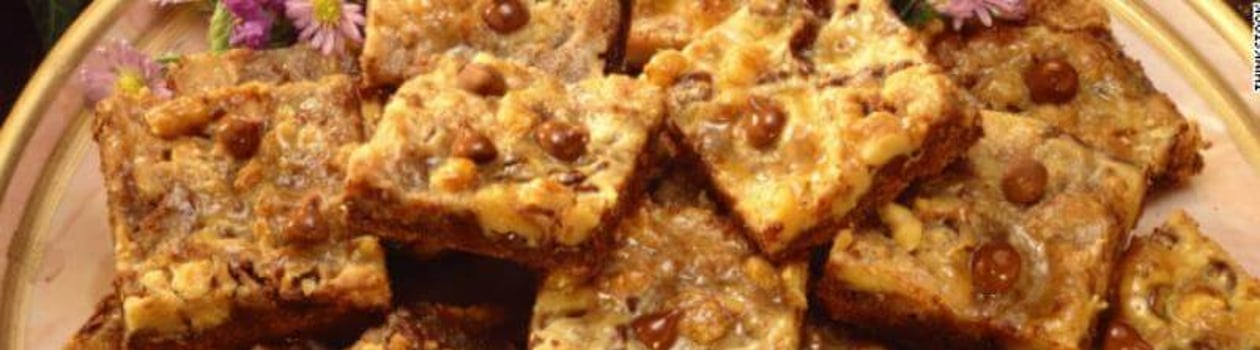
- Add-ins: raisins, chopped dates, candied ginger, nuts, or chocolate chips
- Crunch on top: a sprinkle of coarse sugar before baking for a crackly finish
- Warmer spice profile: a pinch of black pepper or extra ginger for bite
- Softer, tangier crumb: a spoonful of yogurt or sour cream (it will soften the chew slightly)
For sharing, bake in a sheet pan for thinner, snackable squares, or use a smaller pan for taller, bakery-style pieces. Either way, clean cuts come from a fully cooled slab and a knife wiped between slices.
Learn About Molasses (Without the Mystery)
Molasses has a reputation for being old-timey, but it is also surprisingly technical. It is created through repeated boiling during sugar production, and each stage changes its flavor and sweetness. In general, the more times the syrup has been boiled, the darker and more assertive it becomes.
A few details make shopping and baking easier:
- Dark molasses is the everyday favorite for baking: bold, toasty, and sweet enough to play well with spices.
- Blackstrap molasses is thicker, darker, and less sweet, with a stronger, more bitter edge. It can be excellent in recipes designed for it, but it tends to dominate milder batters.
- Light molasses is sweeter and more delicate, producing a gentler bar that lets vanilla and cinnamon come forward.
Molasses and treacle are close culinary relatives, but they are not always identical. In British usage, treacle can refer to a range of syrupy sweeteners used in baking, including lighter syrups and darker black treacle, which behaves much like dark molasses. For practical baking, the label matters less than the syrup’s sweetness and intensity.
Molasses also behaves differently than granulated sugar. Because it contains water and complex sugars, it naturally makes baked goods darker, moister, and pleasantly chewy. That quality is exactly what molasses bars need—and it is why they often stay tender for days when stored properly.
Learn Fun Facts About Molasses
Beet molasses is 50% sugar by weight, and sugar is sometimes extracted from beet molasses through molasses desugarization
Cane molasses is more commonly used in cooking
Molasses is rich in vitamins and minerals, including vitamin B6, iron, calcium, magnesium, and potassium
History of National Molasses Bar Day
Molasses has been feeding sweet teeth for centuries, long before anyone thought to set aside a day for a specific bar cookie. The word “molasses” traces back through Portuguese (“melaço”) to Latin (“mel,” meaning “honey”), which suits a syrup that pours slowly and sweetens boldly.
Historically, molasses became widespread as sugar production expanded. When sugarcane or sugar beets are processed, the juice is boiled to concentrate it and encourage sugar crystals to form.
Once the crystals are removed, what remains is a dark syrup with its own personality: not just sweet, but toasted, slightly bitter, and richly aromatic. Additional boilings create darker, thicker molasses with progressively stronger flavor.
Because refined sugar was not always cheap or accessible, molasses served as a practical, flavorful sweetener in many kitchens. It found its way into foods that benefited from both sweetness and color.
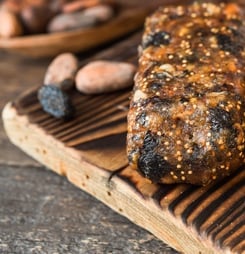
Gingerbread, spice cookies, dark breads, and certain sauces all took advantage of molasses’s ability to deepen browns and boost warmth.
Molasses also played an important role beyond baking, including fermentation traditions such as rum production and certain styles of dark beer, where roasted, caramel notes are welcome.
Molasses is not limited to sugarcane and sugar beets, either. In some culinary traditions, the word “molasses” may be used for thick fruit syrups made from ingredients like dates, grapes, or pomegranates.
These syrups have their own flavors and uses, often drizzled, stirred into sauces, or paired with savory dishes. While they are not the same ingredient as cane or beet molasses, they share the same basic idea: concentrate sweetness into a rich, syrupy form.
National Molasses Bar Day takes that broad ingredient history and puts the spotlight on a specific, snackable format. Molasses bars are essentially bar cookies: baked in a pan and cut into squares.
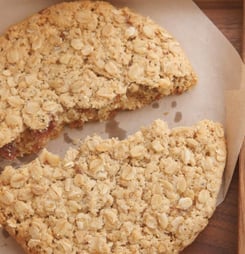
They typically feature cinnamon and other warm spices, and many versions include raisins, nuts, or chopped dates for extra chew. The result is a sturdy treat that works equally well as a lunchbox dessert, a bake-sale square, or an afternoon coffee companion.
Like many modern food-themed observances, the day is best understood as an invitation rather than a formal commemoration. Its appeal is straightforward and evergreen: it encourages people to bake, share, and revisit a classic flavor that can feel both nostalgic and surprisingly complex. Whether someone prefers a soft, cake-like crumb or a dense, chewy bite, molasses bars offer an easy way to celebrate an ingredient that has been sweetening kitchens for generations.
Bonus: Chewy Ginger Molasses Bars Recipe
The best way to celebrate molasses bar day is to make your own molasses bars and see what all of the fuss surrounding molasses is about–once you’ve tried these homemade molasses bars, you’ll never want a plain old gingerbread cookie again! The consistency of molasses makes the bars delightfully moist and chewy, and the tangy ginger offsets the sweetness. But beware of one thing: these are seriously addictive!
Prep time: 20 minutes
Cook time: 16-18 minutes
Total time: under 40 minutes
Ingredients:
- 2 cups all-purpose flour
- 1 teaspoons ground cinnamon
- ½ teaspoon baking powder
- ½ teaspoon baking soda
- ½ teaspoon ground ginger
- ¼ teaspoon ground nutmeg
- ¼ teaspoon salt
- pinch of ground cloves
- 1 cup brown sugar – packed
- ½ cup butter (1 stick) – softened
- ½ cup dark molasses
- 1 large egg
- 1 cup raisins
Directions
First, you should preheat your oven to 350 degrees Fahrenheit. Next, butter and flour a cookie sheet and set it aside for later. In a large bowl, combine the dry ingredients: flour, salt, baking powder and spices. In another bowl, beat the butter and sugar together until light and fluffy, and then add the egg and molasses, stirring until well combined.
Slowly add the dry ingredients, constantly mixing. Next, stir in the raisins and make a dough. Flour your hands and press the dough over the cookie sheet in an even layer.
Bake for 16-18 minutes, removing from the oven when a toothpick inserted into the dough comes out clean. Let cool completely before slicing with a pizza slicer into about 32 pieces.
Pro Tips: These bars keep really well, even when they are left uncovered, as they are so moist. But that doesn’t mean they will last that long! One of these bars contains about 105 calories, which isn’t very much, but it is easy to overindulge.