

National AFM Day shines a light on Acute Flaccid Myelitis, a rare condition that strikes the spinal cord. It often begins with a simple cold but can quickly lead to sudden muscle weakness.
Children are most affected, with many experiencing rapid loss of movement in their arms or legs. In severe cases, it can even impact breathing. This day draws attention to a condition that can change lives in an instant.
Raising awareness is crucial because early detection can make a significant difference. Doctors and families need to recognize the signs promptly. With no known cure, understanding and swift action become vital.
National AFM Day encourages communities to learn, share, and support those affected. It’s a call to stay informed and vigilant against a condition that remains largely mysterious.
How to Celebrate National AFM Day
National AFM Day offers a chance to support those affected by Acute Flaccid Myelitis. Here are several engaging ways to participate and spread awareness.
Wear Blue with Purpose
Dress in blue to show solidarity with individuals impacted by AFM. Encourage friends and family to join in, creating a visual statement of support.
Sharing photos on social media can amplify the message and educate others about the condition.
Share Personal Stories
If you or someone you know has experienced AFM, consider sharing the journey. Personal narratives can highlight the challenges faced and the importance of early detection.
These stories can inspire others to learn more and get involved.
Organize a Community Walk
Plan a walk in your neighborhood to raise awareness about AFM. Invite local residents to participate, fostering community engagement.
Such events can spark conversations and increase understanding of the condition.
Support Research Efforts
Contribute to organizations dedicated to AFM research. Donations can aid in the development of treatments and support services for those affected.
Every contribution brings us closer to finding solutions.
Educate Through Art
Create informative posters or art pieces that depict the impact of AFM. Display them in public spaces like libraries or community centers. Art can be a powerful tool to convey messages and educate the public.
History of National AFM Day
National AFM Day began with a mother’s mission. LaMay Ann Axton started it after her child was diagnosed with Acute Flaccid Myelitis. She wanted more people to understand the illness, which often strikes without warning.
After facing fear, confusion, and isolation, she turned her experience into action. Her goal was simple—inform others, build support, and push for medical progress.
Doctors first noticed a sharp rise in AFM cases in 2014. Children were suddenly losing strength in their arms or legs. The condition puzzled experts.
The Centers for Disease Control and Prevention began tracking it more closely. Since then, cases have tended to appear in a pattern, often every other year. This cycle made researchers dig deeper.
AFM is rare but serious. With no clear cure, families often feel alone. National AFM Day gives them a voice. It also helps health professionals stay alert to early signs.
Axton’s push led to national recognition. People across the country now join efforts to spread the word. News outlets, doctors, and schools have all helped carry the message forward.
From one family’s struggle came a powerful reminder: awareness can lead to faster action. And with quicker action, there’s a better chance to help.



You may also like

National Doctors Day
Trusted experts who heal and cure, doctors are the superheroes of the medical world. From check-ups to emergencies, they're always ready to help.

Global Porphyria Day
Discover Global Porphyria Day, a unifying day that raises awareness, shares real patient stories, and inspires support for this rare, often misunderstood illness.

Rare Disease Day
Many people living with uncommon illnesses often feel forgotten. Raising awareness can inspire research, understanding, and hope for better treatments.
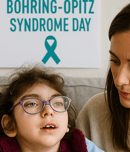
Bohring-Opitz Syndrome Day
Bohring‑Opitz syndrome is a rare genetic disorder caused by a new mutation in the ASXL1 gene. It brings together many complex challenges. Children tend to have distinctive facial features, joint stiffness in their arms, and a small head size. They often struggle with feeding, growth, breathing, sleep apnea, and frequent lung...
- Australia
- Canada
- Netherlands
- and 2 more
National days and holidays on September 23

First Day of Autumn
Many would agree that there’s something magical when the summer is slowly fading away, and the autumn is setting in. The air is getting crisper, and the leaves are starting to paint the landscape in vibrant hues of red, yellow, and orange. This change, perhaps, is the most prominent on...
- Australia
- Canada
- International
- and 2 more

Fall Equinox
As nature transitions, daylight and darkness find balance, marking a moment of cosmic equilibrium and changing landscapes with vibrant hues.
- Australia
- Canada
- International
- and 2 more

Teal Talk Day
Teal Talk Day sparks open conversations about ovarian cancer. It invites people to speak up, ask questions, and share knowledge. The goal is simple: help more people spot the signs early. Many symptoms seem minor at first—like bloating or feeling full fast—but they could point to something serious. This day turns...

Za’atar Day
Make your own blend of the za’atar herb (a type of thyme) and other spices and enjoy some za’atar-based foods and new cuisines with friends or family.
Seize Every Day
Sign up to get reminders, recommendations and guides.