
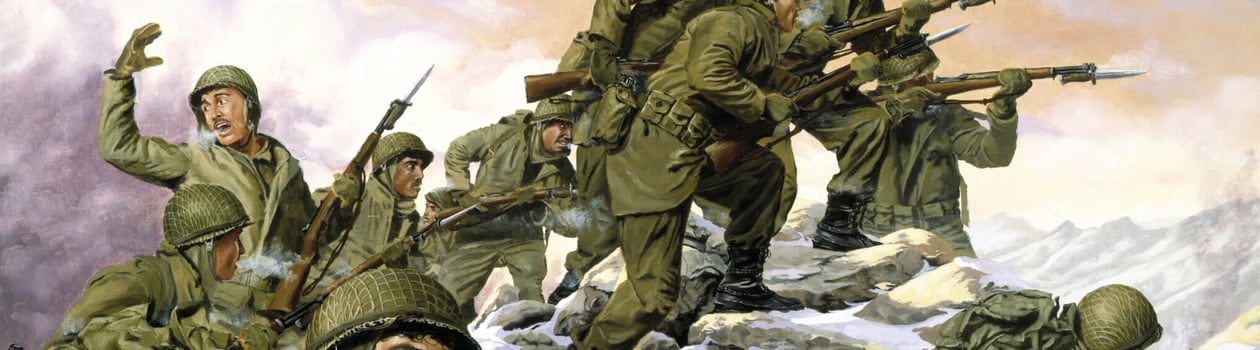
National Borinqueneers Day honors the brave Puerto Rican soldiers of the 65th Infantry Regiment. Known as the Borinqueneers, these men served valiantly in various conflicts, including the Korean War.
Their dedication and courage earned them numerous accolades, such as the Congressional Gold Medal.
This day highlights the significant contributions of Hispanic soldiers in the U.S. military. It acknowledges the challenges they faced and the sacrifices they made for freedom.
Celebrating National Borinqueneers Day ensures that the legacy of these heroes continues to inspire future generations.
National Borinqueneers Day Timeline
Creation of the Puerto Rico Regiment of Infantry
The U.S. Army establishes the Puerto Rico Regiment of Infantry, a locally recruited unit that becomes the forerunner of the 65th Infantry Regiment and marks the formal entry of organized Puerto Rican units into the U.S. military.
U.S. Citizenship Granted to Puerto Ricans
The Jones-Shafroth Act makes Puerto Ricans U.S. citizens, allowing them to be drafted and serve more widely in the armed forces, which greatly expands Puerto Rican participation in World War I and later conflicts.
Redesignation as the 65th Infantry Regiment
The Puerto Rico Regiment of Infantry is redesignated the 65th Infantry Regiment, United States Army, formally integrating the unit into the regular Army structure while it remains largely composed of Puerto Rican soldiers.
World War II Service in Europe
During World War II, the 65th Infantry Regiment serves in the Caribbean and later in the European Theater, including Italy and France, earning campaign streamers and commendations that build its reputation for discipline and bravery.
Deployment to the Korean War
The 65th Infantry Regiment arrives in Korea and quickly enters combat, participating in key operations such as the advance to the Yalu River and defensive actions along the peninsula, where its soldiers gain the nickname “Borinqueneers.”
Court-martials and Later Review
After heavy losses and logistical problems, more than 90 soldiers of the 65th Infantry Regiment are court-martialed for alleged misconduct, an episode later revisited by historians and military reviewers as shaped by discrimination and poor leadership.
Congressional Gold Medal for the Borinqueneers
President Barack Obama signs Public Law 113-120 awarding the Congressional Gold Medal to the 65th Infantry Regiment, recognizing the “extraordinary heroism and outstanding performance” of Puerto Rican soldiers across multiple wars.
How to Observe National Borinqueneers Day
Here are some detailed and engaging ways to celebrate National Borinqueneers Day. Each activity offers a fun and meaningful way to honor the legacy of the 65th Infantry Regiment.
Dive into Their Story with a Documentary Screening
A great way to understand the Borinqueneers’ journey is by watching a documentary about their service. The Borinqueneers (2007) provides a powerful look at their experiences, challenges, and triumphs. Afterward, spark a discussion about their legacy and what their story means today.
Encourage attendees to share their thoughts, making it an interactive and thought-provoking experience.
Savor Puerto Rican Cuisine with a Tribute Meal
Food connects people to history, and Puerto Rican cuisine carries deep cultural roots. Celebrate the Borinqueneers by preparing dishes they might have enjoyed.
Cook a traditional meal featuring arroz con gandules (rice with pigeon peas), lechón (roast pork), and tostones (fried plantains). If cooking isn’t an option, support a Puerto Rican-owned restaurant and enjoy an authentic dining experience.
Share Their Legacy Through Social Media and Art
Raise awareness by sharing their story on social media. Post historical facts, inspiring quotes, or personal reflections about the Borinqueneers.
Create digital artwork or short videos to spread their legacy creatively. Teachers and students can design posters or murals highlighting their bravery. Writers can craft poetry or short stories inspired by their struggles and triumphs.
Support Organizations That Honor Their Memory
Many organizations work to preserve the history of the Borinqueneers. Consider donating to causes that support Puerto Rican veterans and military history preservation.
Some groups provide scholarships or aid to veterans’ families. Volunteering at events or participating in fundraisers helps these efforts continue. If possible, advocate for more recognition of their achievements through historical markers or community projects.
History of National Borinqueneers Day
National Borinqueneers Day honors the 65th Infantry Regiment, a unit of Puerto Rican soldiers who served in the U.S. Army. These men fought in multiple conflicts, including World War I, World War II, and the Korean War.
Despite facing segregation and discrimination, they showed extraordinary bravery on the battlefield. For years, their sacrifices went unrecognized by the broader public.
In 2014, Congress awarded the Borinqueneers the Congressional Gold Medal, the highest civilian honor in the United States. This recognition highlighted their courage and dedication to defending the nation.
Seven years later, in 2021, lawmakers passed a bill officially designating April 13 as National Borinqueneers Day. This annual observance ensures their story is remembered and shared with future generations.
People across the country use this day to reflect on the Borinqueneers’ legacy. Many attend events, learn about their history, or honor their contributions in creative ways. National Borinqueneers Day keeps their remarkable service alive for years to come.
Facts About National Borinqueneers Day
Puerto Rico’s Long Military Tradition
Puerto Ricans have served in the U.S. armed forces since 1899, shortly after Puerto Rico became a U.S. territory, and by World War I more than 18,000 Puerto Ricans had registered for the draft, with thousands serving in labor, infantry, and engineering units attached to the U.S. Army in Europe and the Panama Canal Zone.
Meaning of “Borinqueneers” and Indigenous Roots
The nickname “Borinqueneers” is derived from “Borinquén” or “Borikén,” the Indigenous Taíno name for Puerto Rico, which appears in early Spanish chronicles and has been preserved in Puerto Rican literature, music, and patriotic symbolism as a way of asserting a distinct island identity.
A Decorated Unit in the Korean War
During the Korean War, the 65th Infantry Regiment earned one Presidential Unit Citation, two Republic of Korea Presidential Unit Citations, and thousands of individual awards, including at least 10 Distinguished Service Crosses and hundreds of Silver Stars, reflecting its role in some of the most intense fighting on the peninsula.
Language and Segregation Challenges for Puerto Rican Soldiers
For much of the 20th century, Puerto Rican soldiers in the U.S. Army served in segregated units and often faced punishment or reassignment because of limited English proficiency, even though Spanish was their first language and the Army itself recruited heavily on the island using Spanish-language materials.
The 1952 Court-Martials and Later Exoneration
In 1952, after a series of chaotic retreats during the Korean War, more than 90 enlisted men of the 65th Infantry Regiment were court-martialed on charges such as cowardice and insubordination, but decades later military historians and advocates documented command failures, discrimination, and language barriers that contributed to the events, and in 2014 the U.S. Army set aside the convictions and issued formal pardons to surviving soldiers.
Congressional Gold Medal Recognition
The 65th Infantry Regiment received the Congressional Gold Medal in 2014, an honor that has been awarded to select military groups such as the Tuskegee Airmen and Navajo Code Talkers, and the legislation specifically cited the unit’s “outstanding valor and determination” despite “unjust treatment, prejudice, and discrimination” over many decades of service.
Puerto Ricans and Modern U.S. Military Service
Even though residents of Puerto Rico cannot vote for U.S. president and lack voting representation in Congress, they serve in the U.S. armed forces at per-capita rates comparable to or higher than many states, and by the early 21st century tens of thousands of island-born Puerto Ricans had deployed to Iraq and Afghanistan.
National Borinqueneers Day FAQs



You may also like

Korean American Day
The unique fusion of Korean and American cultures creates a rich tapestry of art, music, food, and language that's not to be missed!
- United States
National Medal of Honor Day
National Medal of Honor Day celebrates real-life heroes. Celebrated annually, this special day honors those who received the Medal of Honor, the highest military decoration in the United States. It's a day full of respect and admiration for over 3,500 individuals who have shown incredible bravery and selflessness, and also to...
- United States

Army Birthday
Honor the legacy and service of the U.S. Army, from its 1775 founding to today, with traditions, ceremonies, and ways to thank soldiers on Army Birthday.
- Canada
- United Kingdom
- United States
Discovery of Puerto Rico Day
An island of rich culture and vibrant life, where the splendor of the Caribbean unfolds in every facet of existence.
- Puerto Rico
- United States
National days and holidays on April 13

National Dog Bite Prevention Week
It is hard to think something as loyal as a dog could ever harm someone. But even the sweetest pup may react when afraid or stressed. National Dog Bite Prevention Week brings this truth into focus. It reminds people that bites often come from everyday situations—startling a dog, grabbing its toy...
- United States

International Plant Appreciation Day
International Plant Appreciation Day is all about taking a moment to really see the plants around us. Not just the big, leafy ones in parks or gardens, but also the quiet little greens on windowsills, the vines crawling up fences, and the herbs sprouting in kitchen pots. They don’t ask for much...
- United States
International FND Awareness Day
Learn and raise awareness about FND, or Functional Neurological Disorder, a poorly understood and rarely talked about disorder affecting many.
- Australia
- Canada
- International
- and 2 more

Discover National Parks Fortnight
Discover National Parks Fortnight invites everyone to join in on an adventure - exploring the stunning landscapes and rich biodiversity of national parks. This fantastic outdoor-themed event spans two weeks each year. This period is the ideal opportunity to reconnect with the great outdoors and appreciate the environmental treasures within...
- United Kingdom
Seize Every Day
Join free for personalised recommendations, email reminders and exclusive guides. Never miss a day.