
National Classy Day
Graceful sophistication effortlessly exudes from refined choices, creating an aura that captivates and inspires those around.
The word “classy” often brings to mind elegance, charm, and sophistication. Yet true class goes beyond appearance. It reflects depth of character, dignity, and a genuine respect for others. Classy individuals leave lasting impressions through graceful conduct, thoughtful behavior, and quiet confidence rather than display alone.
Celebrating those who embody these qualities reminds us that class is a way of living—marked by poise, kindness, and a sense of humor. By recognizing and appreciating these traits in others, we’re inspired to cultivate grace and consideration in our own everyday lives.
How to Celebrate National Classy Day
Living a Classy Life
Living a classy life isn’t about expensive clothing or social status. It’s about how you respond to challenges, treat others, and remain grounded in your values. True class shows in grace under pressure, thoughtfulness in everyday interactions, and consistency between words and actions.
Classy individuals often demonstrate humility, self-discipline, generosity, and honesty. They respect both themselves and those around them, honor their commitments, and choose to uplift others rather than seek attention or superiority. In the end, class is less about how you’re perceived—and more about how you choose to live.
Celebrating Classy Figures
Many individuals today continue to inspire others through exemplary conduct and purposeful action. Michelle Obama, widely admired for her intellect, authenticity, and advocacy, demonstrates that true elegance shines brightest through empathy and leadership. Her work promoting education, healthy living, and empowerment reflects a deeply rooted sense of class grounded in service and integrity.
Figures such as Helen Mirren, whose confidence and professionalism have defined a decades-long career, and Malala Yousafzai, whose courage and commitment to education have inspired millions worldwide, also exemplify modern classiness through their actions and values.
Together, these individuals show that classiness transcends culture, profession, and time. Rooted in respect, purpose, and kindness, it reflects universal values admired across the world. Embracing these principles in everyday life encourages integrity, compassion, and dignity in all we do.
Practical Tips for Living with Class
- Practice kindness and respect
Simple, thoughtful gestures—holding the door open, offering a genuine compliment, or truly listening during a conversation—help create meaningful connections and leave a positive impression. - Maintain poise in adversity
Class isn’t about avoiding conflict, but about responding to challenges with calmness, empathy, and self-control, even when situations become difficult. - Dress with intention
Classy living isn’t defined by fashion labels, but by appropriateness. Dressing thoughtfully for different occasions reflects respect for yourself and consideration for those around you. - Use language with care
Thoughtful communication, free from gossip or unnecessary negativity, contributes to a dignified presence. Choosing words wisely is a quiet yet powerful expression of class.
National Classy Day Timeline
1922
Birth of Betty White
Born on January 17, 1922, Betty White became a lasting symbol of class through her wit, kindness, and professionalism.
Her decades-long career proved that grace, humility, and good humor define true elegance far more than fame alone. In fact, she set a benchmark for class in the industry.[1]
1956
Grace Kelly Marries Prince Rainier III
Grace Kelly’s marriage to Prince Rainier III of Monaco on April 19, 1956, embodied classic sophistication. Her transition from Hollywood star to real-life princess set a global standard for poise, restraint, and timeless class.[2]
1954
Audrey Hepburn Defines Elegant Stardom
Audrey Hepburn won the Academy Award for Best Actress in 1954 for Roman Holiday.
Her understated style, quiet confidence, and humanitarian spirit redefined what it meant to be truly classy—on screen and beyond it.[3]
1995
The Met Gala Elevates the Meaning of Classy Fashion
By the mid-1990s, the Costume Institute Gala at the Metropolitan Museum of Art had become a global showcase of refined fashion, creativity, and cultural elegance—celebrating style as an expression of art and sophistication.[4]
Late 20th Century
“Classy” Becomes a Cultural Ideal
The word “classy” gained widespread use in American English to describe behavior, appearance, and attitudes marked by refinement and good taste.
Its popularity reflects a growing appreciation for quiet confidence and timeless elegance.[5]
History of the Concept of Classiness
The term “classy” emerged in the late 19th century, originally used to describe something fashionable or stylish. Over time, its meaning expanded beyond appearance to reflect deeper personal qualities that extend well past clothing or social status.
As the concept evolved, classiness came to signify character, demeanor, and integrity. It began to describe people who carry themselves with poise, show respect for others, and navigate life’s challenges with quiet confidence and grace. Today, classiness transcends age, era, and culture, with individuals throughout history celebrated not just for how they looked, but for how they behaved and treated those around them.
Notable Historical Figures Exhibiting Class
Throughout history, many public figures have come to represent the very essence of classiness—not simply through fame, but through the way they carried themselves and treated others. One such figure is Grace Kelly, whose journey from acclaimed Hollywood actress to Princess of Monaco captured global admiration. Her understated elegance, composed demeanor, and commitment to philanthropy helped define class as a balance of grace, humility, and responsibility.
Another enduring example is Audrey Hepburn, admired not only for her remarkable film career but also for her lifelong dedication to humanitarian work. As a Goodwill Ambassador for UNICEF, Hepburn demonstrated that true elegance extends beyond appearance. Her compassion, empathy, and quiet strength showed that class is most powerfully expressed through kindness and service to others.
Facts about National Classy Day
Evolution of the Term “Classy”
Derived from the word class, originally linked to social rank and distinction, classy evolved in the late 19th century to describe refinement, quality, and tasteful presentation.
Over time, the term shifted away from wealth alone and toward personal elegance, behavior, and style—reflecting changing social values.
-
Betty White’s Esteemed Entertainment Career
Betty White was a television pioneer whose career spanned radio, early TV, and modern sitcoms, including The Mary Tyler Moore Show.
Her professionalism, wit, and longevity helped define a standard of class rooted in consistency, respect, and grace rather than celebrity alone
-
Social Identity Expressed Through Fashion
Throughout history, fashion has functioned as a marker of social identity. From Victorian dress codes emphasizing modesty and propriety to later industrial-era refinement, classiness emerged not just as appearance, but as a cultural language reflecting values, discipline, and self-presentation.
-
Betty White’s Influence Beyond the Screen
Beyond entertainment, Betty White was widely respected for her lifelong commitment to animal welfare.
Her advocacy demonstrated that class is often expressed through generosity, compassion, and sustained action—extending elegance beyond public image into meaningful contribution.
-
Historical Perspectives on Elegance
Across different eras, elegance has signaled social values as much as status. From Renaissance courts to modern fashion houses, refined behavior, restraint, and aesthetic balance have shaped cultural ideals of class—demonstrating that elegance reflects deeper societal norms, not just visual style.
FAQs about National Classy Day
National Classy Day FAQs
What defines classiness as a personal quality?
Classiness is characterized by qualities such as elegance, grace, and refinement.
It encompasses good manners, sophisticated taste, and the ability to interact with others politely and respectfully.
These qualities help individuals leave a positive and memorable impression on those around them.[1]
How can someone cultivate a sense of classiness in daily life?
Classiness can be cultivated through consistent good manners, thoughtful communication, and mindful presentation.
Choosing timeless clothing, maintaining personal grooming, and showing empathy and kindness toward others help create a refined and respectful presence.[2]
What is the historical origin of the term “classy”?
The term “classy” entered English usage in the late 19th century, originally relating to social class and distinction.
Over time, it evolved to describe refinement, good taste, and elegance in both appearance and behavior, independent of wealth or status.[3]
Why is being classy still important in modern society?
Classiness remains relevant because it promotes respect, empathy, and civility in everyday interactions.
In a fast-paced and often impersonal world, these qualities help build trust, strengthen relationships, and encourage more positive social and professional environments.[4]
What qualities do people commonly associate with classiness?
People often associate classiness with politeness, integrity, humility, and good taste.
These traits create an impression of quiet confidence and approachability, reinforcing respect and admiration across different social and cultural contexts.[5]
Also on ...
View all holidays
National Kid Inventors’ Day
These young minds are like mini scientists, creating ingenious solutions to everyday problems with their boundless curiosity and creativity.


Benjamin Franklin Day
A polymath with many talents, from inventing to writing, Franklin's contribution to American history will never be forgotten.
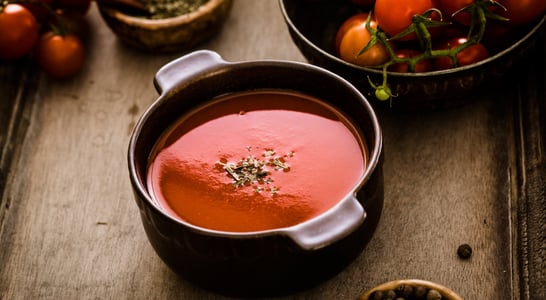
Soup Swap Day
There's nothing better than a warm bowl of homemade soup on a chilly day! Swap your soup with friends for a fun way to mix up your meals.
We think you may also like...

National Two Different Colored Shoes Day
Walk your own walk and show your individuality by wearing two different colored shoes, an exercise to get you to reject limiting social norms and enjoying life.


Humiliation Day
Being open to learn from others, recognizing your strengths and weaknesses, and embracing mistakes are great ways to grow and improve oneself.

World Values Day
Cultivating global awareness and embracing shared values enhances mutual respect, social harmony, and collective progress for humanity.