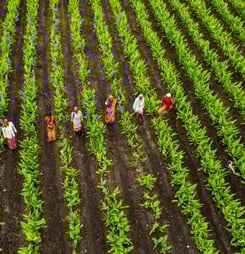

National Close the Gap Day draws attention to the stubborn health and life expectancy gap between Indigenous and non-Indigenous Australians, with a particular focus on Aboriginal and Torres Strait Islander peoples.
It is a day built around a simple, practical idea: when a community can access culturally safe health care, stable housing, quality education, and fair opportunities, people live longer and healthier lives.
Across schools, workplaces, clinics, and community groups, many Australians take part to amplify Indigenous-led solutions and encourage long-term commitments from decision-makers.
The tone is often upbeat and welcoming because meaningful change is easier to pursue when people feel included, informed, and ready to act.
How to Celebrate National Close the Gap Day
Organize a Community BBQ
Light the grill, but give the gathering a clear purpose. A Community BBQ is effective because it feels familiar, relaxed, and naturally brings people together. The most meaningful events go beyond sharing food. They create a safe space for listening, learning, and respectful conversation.
A thoughtful plan might include:
- Clarify the purpose: Explain why everyone is coming together. The “gap” refers to measurable differences in health outcomes and life expectancy, not a general idea. Stating this clearly keeps the focus practical.
- Invite speakers with care: If an Indigenous health worker, Elder, educator, or community advocate is involved, ask what support they need and whether payment or travel costs should be covered. The aim is to respect experience, not put anyone under pressure.
- Provide simple information: Use posters, a short handout, or a brief talk to explain key issues such as chronic disease, access to preventive care, mental health support, and the importance of culturally safe services.
- Offer action cards instead of guilt: Give attendees a short list of practical steps, such as supporting Indigenous-led health services, learning local history, or asking their workplace about its commitments.
Small touches matter. Label food clearly, consider dietary needs, and keep the atmosphere welcoming. A day focused on health equity should feel inclusive, positive, and community-oriented.
Join a Fun Run
Put on your running shoes and turn movement into awareness. A fun run or walk fits the spirit of the day because it welcomes different fitness levels, is easy to organize, and creates an uplifting shared experience. It also makes it easier to talk about important issues in a positive setting.
To add meaning:
- Emphasize solidarity, not charity. The focus is fairness and equal rights in health care, not “helping” from a distance. Words matter.
- Set up an information point. A table at the start or finish can share key facts: the gap is influenced by access to care, prevention, housing, education, income, and experiences of racism within systems.
- Encourage team participation. Schools can form class groups, workplaces can organize departments, and families can take part together. Shared involvement builds energy.
- Handle fundraising thoughtfully. If funds are collected, explain their purpose and, where possible, support Indigenous-led organizations.
The route can be a short park loop or a larger community course. The key is connecting the activity to the goal: real health equality supported by lasting system change.
Take Part in an Educational Workshop
Build understanding and turn knowledge into action. Workshops and talks are central to National Close the Gap Day because they move the conversation beyond headlines. The most valuable sessions show how everyday conditions shape health outcomes.
Helpful focus areas include:
- Understanding health equity: It means fair access based on need, not identical treatment for everyone.
- Cultural safety in health care: More than awareness training, it involves trust, respectful communication, and care environments where people feel safe to seek help.
- Prevention and chronic disease: Early screening, consistent primary care, and community programs can prevent serious illness later.
- Social determinants of health: Housing, food access, education, employment, transport, and the effects of discrimination all influence health statistics.
Strong workshops allow time for reflection and questions. They also encourage follow-up actions such as reviewing workplace practices, improving referral systems, or supporting trusted Indigenous-led services.
Create Art to Raise Awareness
Use creativity to bring the message to life. Art can express emotion, resilience, and hope without turning the day into a lecture. It also opens conversations in places where health policy is rarely discussed.
Ideas that work well:
- Community mural or banner: Invite people to add a handprint, symbol, or word that represents health, fairness, or connection.
- Story-based artwork: Encourage participants to show what “closing the gap” looks like in everyday life, such as welcoming clinics, mobile services, culturally safe spaces, or inclusive schools.
- Display with context: If artwork is shown in a library, workplace, or community center, include short captions linking the pieces to goals like better primary care access or improved maternal and child health.
- Student-led projects: Schools can guide students to explore health as a whole-life concept, including physical, mental, and community wellbeing.
Respect for culture is essential. Avoid copying sacred designs or styles. Whenever possible, collaborate with Indigenous artists, use approved materials, or focus on shared responsibility and support.
Share Thoughtfully on Social Media
Take the message online, but keep it meaningful. Social platforms can expand the reach of National Close the Gap Day and highlight Indigenous voices when used responsibly.
Ways to make posts count:
- Use clear, accurate messages: Explain that the gap refers to measurable health differences shaped by systems and access.
- Amplify Indigenous voices: Share content from Indigenous organizations, leaders, and communities rather than speaking over them.
- Avoid performative posting: One graphic is easy; real impact comes from follow-up actions such as attending events, supporting initiatives, or asking institutions about their commitments.
- Show accountability: If posting as an organization, include a concrete step—staff training, accessibility reviews, partnerships with Indigenous providers, or public progress tracking.
When used well, social media helps move awareness toward lasting action.
National Close the Gap Day Timeline
Federation and Exclusion from Federal Health Powers
When the Australian Constitution came into force, Aboriginal and Torres Strait Islander peoples were largely excluded from federal responsibility for their affairs, leaving health services fragmented under state control and contributing to unequal access.
Referendum Expands Federal Role in Indigenous Affairs
More than 90 percent of Australians vote to amend the Constitution so the Commonwealth can make laws for Aboriginal people and include them in national population counts, laying the groundwork for later national Indigenous health strategies.
National Aboriginal Health Strategy Endorsed
Governments and Aboriginal community representatives endorse the National Aboriginal Health Strategy, one of the first national frameworks to link Indigenous health outcomes with housing, education, employment, and self-determination.
Social Justice Report Highlights Life Expectancy Gap
Aboriginal and Torres Strait Islander Social Justice Commissioner Tom Calma’s Social Justice Report 2005 exposes a life expectancy gap of around 17 years and calls on governments to commit to achieving Indigenous health equality within a generation.
National Indigenous Reform Agreement Sets Targets
The Council of Australian Governments agrees to the National Indigenous Reform Agreement, establishing specific Closing the Gap targets across health, education and employment to drive coordinated national action on Indigenous disadvantage.
History of National Close the Gap Day
National Close the Gap Day was developed from the wider Close the Gap campaign, which began in the mid-2000s as attention grew around serious health inequalities affecting Aboriginal and Torres Strait Islander peoples.
The movement was built on the belief that health equality is achievable through strong political commitment, sustained investment, and Indigenous leadership.
During this time, health and human rights organizations called for coordinated national action to address life expectancy differences and high levels of preventable illness.
The campaign helped push governments and institutions to set measurable targets and track progress instead of treating the issue as unavoidable. Measurement brought accountability, and accountability created the possibility for real change.
Oxfam Australia played a key role in building public support, encouraging schools, workplaces, and communities to take part in an annual day of action.
Over time, the day became a widely recognized national event that translates policy discussions into everyday participation. It gives people a practical way to say, “This matters, and change is possible.”
The “gap” is not limited to life expectancy. It also appears in rates of chronic disease, maternal and child health, mental wellbeing, disability support, and timely access to care.
Many of these outcomes are connected to broader social and economic conditions, including overcrowded housing, limited access to fresh food, transport barriers, and fewer nearby health services.
Experiences of racism, both in daily life and within institutions, can also discourage early care, allowing manageable conditions to become serious.
National Close the Gap Day sits at the meeting point of health services and the wider factors that influence health. It highlights the need for:
- Accessible, strong primary health care focused on prevention.
- Culturally safe services where people feel respected and understood.
- Indigenous community-controlled health organizations, which are effective because they are designed and governed by the communities they serve.
- Long-term commitment rather than short-term programs that end before meaningful progress can occur.
A defining principle of the day is shared responsibility. Indigenous communities have long led efforts to improve their own health and wellbeing, but the day calls on the wider public, institutions, and leaders to act as partners. The responsibility for change should not rest only with those affected. Systems that create inequality must also change.
Participation has grown across many sectors. Schools use the day to explore health, fairness, and community responsibility. Workplaces review policies and strengthen equity commitments.
Health services reflect on patient experience, cultural safety, and barriers to access. Community groups host events that turn concern into practical support.
The day remains both hopeful and challenging. Hopeful because improvement is possible and many successful Indigenous-led initiatives already exist. Challenging because awareness alone is not enough. Closing the gap requires sustained effort, respectful partnerships, and long-term changes that endure.
Closing the Health Gap: Understanding Inequality in Indigenous Communities
Significant health differences still exist between Aboriginal and Torres Strait Islander peoples and non-Indigenous Australians.
The facts below highlight key areas where inequality persists, including life expectancy, chronic disease, and early childhood outcomes, showing how social conditions, access to care, and long-term systemic factors continue to shape health across generations.
Life Expectancy Gap Remains Stubbornly Wide
Despite years of policy attention, Aboriginal and Torres Strait Islander people in Australia still have a life expectancy around 8 to 9 years lower than that of non‑Indigenous Australians, with higher rates of illness across almost all age groups.
This gap reflects a combination of factors such as chronic disease, poorer access to care, and the long-term impacts of colonization, and it has proven far more difficult to close than early government targets anticipated.
Chronic Conditions Drive Much of the Health Inequality
Aboriginal and Torres Strait Islander peoples experience significantly higher rates of preventable chronic diseases, including cardiovascular disease, diabetes, and kidney disease, which contribute heavily to premature death and disability.
Many of these illnesses are linked to modifiable risk factors such as smoking, poor nutrition, overcrowded housing, and limited access to primary health care, showing how social conditions translate directly into health gaps.
Infant and Child Mortality Tell a Stark Story
For many years, mortality rates for Aboriginal and Torres Strait Islander children under five were around twice those of non‑Indigenous children, a stark indicator of inequality in early life.
While there has been some improvement over time, preventable causes such as infections, complications of pregnancy and birth, and conditions related to poverty still occur at much higher rates in Indigenous communities.
Social Determinants Shape Indigenous Health Outcomes
Australian research consistently shows that housing, education, employment, and experiences of racism have as much influence on Aboriginal and Torres Strait Islander health as medical care itself.
Overcrowded or unsafe housing, financial stress, and limited job opportunities increase the risk of infections, injuries, mental ill-health, and chronic disease, which is why national strategies now treat these social determinants as central to closing health gaps.
Aboriginal Community Controlled Health Services Change the Model of Care
More than 140 Aboriginal Community Controlled Health Organisations (ACCHOs) operate across Australia to provide holistic, culturally safe healthcare that is designed and governed by local Aboriginal and Torres Strait Islander communities.
Evaluations show these services improve access to primary care, deliver higher childhood immunization rates, and achieve better management of conditions like diabetes compared with mainstream services working in similar areas.
Holistic “Social and Emotional Wellbeing” Differs from Western Mental Health Models
Aboriginal and Torres Strait Islander peoples often describe health using the concept of “social and emotional wellbeing,” which includes not only mental and physical health but also connections to land, culture, spirituality, ancestry, family, and community.
When these connections are disrupted, for example, through forced removal from the country or family separation, the harm is understood as a health issue in itself, not just a social problem.
Intergenerational Trauma Is a Recognized Health Factor
National inquiries and health bodies in Australia now recognize intergenerational trauma from colonization, massacres, the Stolen Generations, and ongoing discrimination as a direct contributor to poor health among Aboriginal and Torres Strait Islander peoples.
This trauma is associated with higher rates of psychological distress, substance use, family violence, and suicide, and it shapes how people experience and access healthcare services today.