National Conservation Dog Day
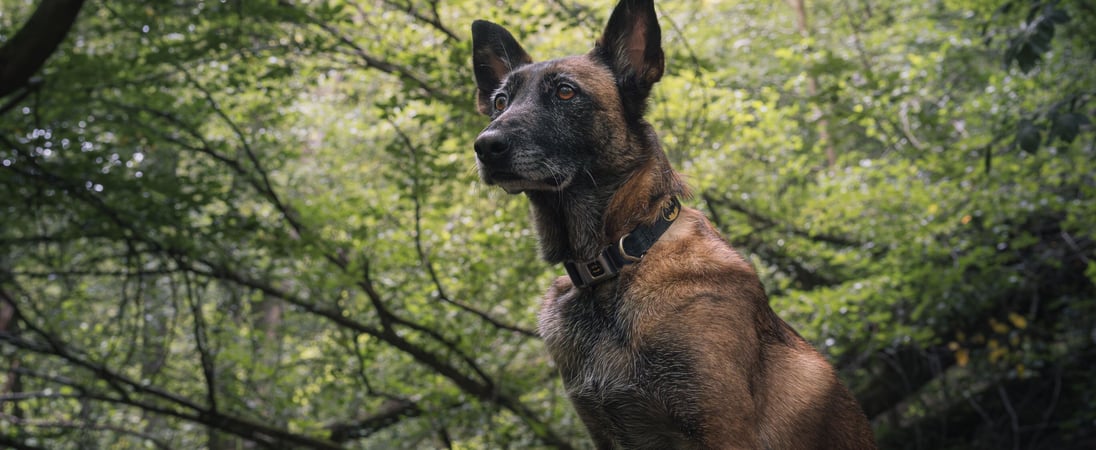
National Conservation Dog Day honors working dogs trained to protect wildlife through scent detection. These dogs sniff for endangered animals, rare plants, or harmful invaders hiding in plain sight.
With a nose far sharper than any tool, they leap across fields and forest floors, uncovering clues we’d miss. Each search turns into a mission.
The dog leads. The human follows. Together, they gather vital data without harming the land.
This day reminds us how much nature gains from canine skill. Trained dogs move fast and leave almost no trace.
They help track secretive species, find nests, or alert teams before damage spreads.
Some even help stop illegal hunting. Every search improves how scientists protect the wild. These teams don’t just support the work—they change the game.
Their impact stretches across coastlines, deserts, and thick green woods.
How to Celebrate National Conservation Dog Day
Here are five lively ideas to mark National Conservation Dog Day. Each suggestion has its own heading and simple, active sentences.
Host a Scent Game Session
Spark excitement by hiding scent targets inside toys or nature scents. Gather friends or family outdoors. Let dogs search and celebrate each find.
Share videos or photos online to inspire others.
Watch a Demo by a Conservation Team
Join a virtual or in‑person demonstration from a conservation dog program. Observe how handlers train their teams. Ask questions about methods and habitats.
Learn how scent detection supports science.
Spread Awareness via Sharing
Post educational stories about working dogs on social media. Tag organizations that train detection teams.
Use the official hashtag and captions that honor canine impact. Encourage others to learn more.
Donate or Support a Program
Choose a conservation dog group and give to their mission. Support training, equipment, or handler resources. Every gift helps dogs continue vital field work. Invite friends to
Volunteer or Attend an Event
Look for events in parks, refuges, or local environmental groups. Volunteer to help with demonstration setups, information booths, or trail tours. Meet passionate people and working dogs in action.
National Conservation Dog Day Timeline
1895
Use of Conservation Dogs in New Zealand
Richard Henry used detection dogs to protect native bird species on Resolution Island, pioneering the use of dogs in conservation efforts.
1920s
Early Conservation Dog Work in the USA
Detection dogs began being used for conservation purposes in the USA, signaling the transition of working dogs from purely hunting to wildlife protection roles.
Late 1970s to Early 1980s
Scat Detection Studies Initiated
Pioneer studies introduced scat detection dogs to non-invasive wildlife studies, linking conservation efforts with genetic advancements in wildlife monitoring.
1997
Foundation of Conservation Canines
The University of Washington launched Conservation Canines, focusing on scat detection for non-invasive wildlife studies.
2000
Working Dogs for Conservation Established
Biologists used shelter dogs for tracking and detecting wildlife without invasion, showcasing an innovative use of dogs in conservation.
History of National Conservation Dog Day
National Conservation Dog Day began in 2022. A nonprofit group called Conservation Dogs Collective started it.
They train scent-detection dogs to help with environmental research. The group wanted a day to highlight how these dogs protect plants, animals, and ecosystems.
The first celebration took place on January 19 that same year. People across the country joined in by learning, sharing, and supporting programs that train these working dogs.
Since then, the day has grown steadily. More nature centers, scientists, and dog lovers now take part.
Conservation Dogs Collective focuses on training dogs that can detect rare animals, track harmful species, and support field studies.
They pushed for national recognition because the dogs do work that helps both science and nature. No machine can match a dog’s nose.
As the day gained attention, media outlets and environmental groups helped spread the word. Now, each year, more people discover the role dogs play in protecting wild places.
This day reminds us how powerful a strong nose, a good team, and the right mission can be.
Facts About National Conservation Dog Day
Historic Role of Conservation Dogs
Conservation detection dogs have been utilized since the late 1990s to assist in ecological surveys and conservation biology.
Their renowned olfactory capabilities allow them to detect scents with unmatched precision, which significantly aids in locating rare or elusive species across various terrains.
Early Detection of Invasive Species
By detecting invasive species early, conservation dogs contribute immensely to preventing ecological and economic damage.
They have been especially useful in biosecurity by identifying invasive plants like dyer’s woad, helping to protect native ecosystems before these harmful species can establish themselves.
Widespread Application of Conservation Dogs
Conservation dogs are now a staple in ecological research and wildlife protection across the globe.
Their applications include detecting scat for genetic monitoring, locating underground structures like bird burrows, and even identifying oil spills and invasive mussels, proving their versatility in conservation efforts.
Significant Scat Detection Efficiency
Conservation dogs have demonstrated remarkable efficiency in detecting animal scat for research purposes. In comparative studies, they identified scents four times more effectively than human search teams, facilitating more comprehensive biological surveys.
Detection Skills in Conservation Projects
A key advantage of using conservation dogs in projects is their non-invasive nature. Unlike traditional methods that might rely on physical capture, these dogs locate species and plant evidence purely through scent, helping maintain the ecological integrity of the areas under study.
FAQs
National Conservation Dog Day FAQs
How do conservation dogs assist in managing invasive species?
Conservation dogs play a critical role in detecting invasive species such as plants and aquatic animals quickly and efficiently.
Their keen sense of smell enables them to identify invasives like dyer’s woad and zebra/quagga mussels at much higher accuracy than human inspectors.
For instance, conservation dogs were able to detect 95% of dyer’s woad in follow-up inspections, vastly outperforming traditional methods. This ability significantly aids in early intervention and control efforts to protect native ecosystems.
What are the key training techniques for conservation detection dogs?
Conservation detection dogs are trained using a variety of techniques focusing on scent imprinting, positive reinforcement, and progressive search training.
Trainers introduce dogs to specific target odors using controlled samples while employing a reward system that includes food or toys for motivation.
The training progresses through varied environments to generalize skills and often involves blind or double-blind testing to prevent handler cueing.
Such comprehensive training ensures that these dogs perform effectively in diverse field conditions.
Why are conservation dogs preferred over technology for detecting wildlife and plants?
Conservation dogs are often preferred over technology like cameras due to their superior accuracy and efficiency in covering large areas with complex terrain.
Their olfactory capabilities allow them to detect a wider range of scents much faster and more accurately than traditional tools.
They are also non-invasive, making them an environmentally friendly option. This superior detection capability aids significantly in biodiversity management and preservation efforts.
What impact do conservation dogs have on ecosystem management and restoration?
Conservation dogs contribute significantly to ecosystem management by providing reliable data on species presence that aids in restoration and conservation strategies.
Their detection work supports scientists and environmental agencies by accurately assessing wildlife populations and invasive species threats, which informs necessary control and recovery actions.
The use of conservation dogs in ecological monitoring has become an integral component of sustainable environmental management.
Are there ways volunteers can participate in conservation dog programs?
Yes, volunteers can participate through citizen-science projects that involve trained pet-owner teams in conservation initiatives.
These projects often focus on detecting specific invasive species, such as the spotted lanternfly, and involve training owners and dogs for field applications.
Although volunteer teams generally display more variable performance compared to professional teams, their involvement greatly enhances community engagement and capacity for widespread monitoring efforts.
Also on ...
View all holidays
National Popcorn Day
Settle down with a bowl of this classic movie treat, sample flavors from salty to spicy or get creative with edible decorations like garlands.

Blue Monday
Beat the bleak, post-festive slump by setting (or resetting) resolutions, getting some exercise in the fresh air or watching an uplifting movie.

Brew Monday
It’s time to check in on a friend, neighbor or family member over a cup of coffee or tea!

Elementary School Teacher Day
Elementary school teachers are superheroes, inspiring young minds to learn, grow and achieve their dreams.