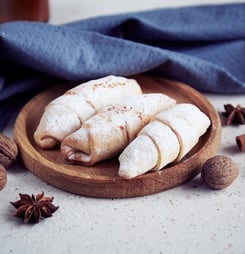

Making a prominent appearance as a culinary figure in the Spanish-speaking world, empanadas offer a delicious foray into a wide array of flavors that are wrapped in a delightful pastry shell.
National Empanada Day brings the perfect opportunity to show appreciation for and celebrate this small, convenient meal that packs a huge and delectable punch!
How to Celebrate National Empanada Day
Have loads of fun and fill that belly with extreme goodness by celebrating National Empanada Day using some of these ideas:
Enjoy Eating Empanadas
Of course, everyone should spend at least a portion of this day reveling in a few different versions of empanadas on their plates!
Many restaurants with a Latin flair are likely to serve these pastry wrapped treats, including establishments with an Argentinian, South American, or Spanish theme.
Food trucks are also a good place to score empanadas, so grab a friend and eat some at lunch or dinner in honor of National Empanada Day.
Host a National Empanada Day Party
Food is always a great reason to throw a party! And this specific food that comes as a pastry filled with tasty goodness brings a special kind of celebration. In honor of National Empanada Day, gather some friends and family to enjoy a feast of these little food envelopes.
Order in from a local empanada restaurant or enjoy making them at home to serve to guests. And don’t forget to play some Spanish or Portuguese music and decorate with a similar theme!
Try Making Empanadas at Home
Although they might be a bit tricky to get started with, empanadas are actually a fairly simple concept that just requires a bit of prepwork.
Shortcuts like using pre-made refrigerated dough can certainly cut down the time. Fill them with a mix of ground beef, chorizo, onion and potatoes for a traditional vibe. It’s a great way to use up leftovers as well.
Get Creative with Empanadas
One of the best things about this little savory meal or sweet treat is that the possibilities for fillings are almost endless! From traditional to a bit out there, spend National Empanada Day getting creative with unique ideas for what to put inside.
Hop online to find a myriad of recipes, or check out a few of these ideas to get started:
- Sweet Potato Cheesecake Empanadas
- Portuguese Shrimp Empanadas
- Buffalo Chicken Empanadas
- Turkey Empanadas with Stuffing and Cranberries
National Empanada Day FAQs
History of National Empanada Day
The story behind empanadas can be traced back more than 500 years, when this simple little food made its first appearance in a cookbook from Catalonia, now part of Spain.
Similar forms of this dish can be found in various areas of the world with Spanish influence, such as Portugal, Argentina, Puerto Rico, Cuba, and more. But no matter where they are found, the expectation is that they will always be delicious.
National Empanada Day has been celebrated since 2011, when the day was started through grassroots efforts to make a big deal out of this small but mighty hand pie!
Tasty Facts About the History of Empanadas
Empanadas are a beloved food found across many cultures, especially in Spain and Latin America.
These filled pastries have traveled through centuries of history, evolving in shape, ingredients, and traditions along the way.
The following facts explore how empanadas began, how their name describes the cooking method, and how different regions developed their own delicious variations.
Empanadas Began as a Practical Meal for Workers and Travelers
Museum exhibits on Iberian foodways describe medieval Spanish empanadas as large, sturdy pies filled with meat or fish that were sliced and shared, with their thick crust helping preserve the filling so field laborers and travelers could carry a complete meal without plates or cutlery.
A 16th Century Cookbook Recorded an Early Empanada Recipe
One of the earliest printed references to empanadas appears in the 1520 Catalan cookbook “Llibre del Coch” by Robert de Nola, which includes recipes for pastry stuffed with seafood, showing that filled dough dishes were already established in Iberian court and urban cuisine by the early sixteenth century.
The Word “Empanada” Describes the Wrapping Method
Linguists trace the word “empanada” to the Spanish verb “empanar,” meaning to wrap or coat something in bread or dough, so the term refers to the cooking technique rather than any specific filling, which helps explain why versions range from savory stews to sweet fruit mixtures while keeping the same name.
Galician Empanadas Are Baked as a Large Sharing Pie
In Galicia in northwest Spain, empanadas are traditionally baked in a large rectangular or round pan, with yeast-raised dough enclosing fillings like tuna, pork, or shellfish cooked in a sofrito, and the finished pie is cut into portions to serve as a communal main dish rather than as individual hand pies.
Latin American Empanadas Shrunk into Handheld Pastries
Food historians note that when Spanish empanadas reached the Americas, cooks gradually transformed the original large pies into smaller, individual turnovers, adapting the concept to local cooking styles so that in many Latin American countries a single empanada became a portable street snack instead of a family-sized dish.
Corn-Based Empanadas Reflect Indigenous Influence in the Americas
In parts of Latin America, especially Colombia and Venezuela, empanadas are often made with dough from ground or precooked corn rather than wheat flour, a change scholars link to preexisting Indigenous maize traditions that gave the pastries a different texture and flavor while keeping the familiar filled-dough format.
Argentine Empanadas Showcase Regional Filling Styles
Across Argentina, empanadas vary by province, with some regions favoring spicy beef with paprika and cumin, others adding olives, raisins, or hard-boiled egg, and areas like Salta known for compact, folded empanadas that reflect local tastes and cattle-raising traditions.