National Farm Rescuer Day
National Farm Rescuer Day honors the quiet heroes who step up when farmers face the unexpected. Sometimes, all it takes is one crisis—an accident, illness, or flood—for farm work to grind to a stop.
Fields wait for no one, and animals need care every single day. In moments like these, volunteers show up. They lend their hands, their time, and often their hearts to keep farms going strong.
Their work isn’t flashy, but it’s deeply meaningful. They drive tractors, fix fences, and help with chores that can’t be put off.
More than that, they bring relief to families under pressure. Their support helps keep food growing and communities steady. This day celebrates their quiet strength and reminds us that even in hard times, no one has to face it alone.
How to Celebrate National Farm Rescuer Day
Celebrating National Farm Rescuer Day offers a chance to honor those who assist farmers during challenging times. Here are several meaningful ways to participate:
Express Gratitude to Farm Rescuers
A heartfelt thank-you can brighten a farm rescuer’s day. Write a note or share appreciation on social media. Recognizing their efforts fosters community spirit.
Contribute Financially to Support Efforts
Donations enable organizations like Farm Rescue to continue their vital work. Every contribution, big or small, aids farmers in crisis. Consider organizing a fundraiser to amplify support.
Volunteer Your Time and Skills
Offering hands-on assistance can make a significant impact. Tasks may include planting, harvesting, or caring for livestock. Reach out to local farms or agricultural groups to learn about volunteer opportunities.
Raise Awareness in Your Community
Educate others about the importance of farm rescuers. Host informational sessions, share stories, or organize events. Spreading knowledge encourages more people to get involved.
Support Local Farmers Directly
Purchasing produce from local farms strengthens the agricultural community. Attend farmers’ markets, join a CSA (Community Supported Agriculture), or visit farm stands. Your support helps sustain their livelihoods.
History of National Farmer Resuer Day
National Farm Rescuer Day began in 2017. It was created by Farm Rescue, a nonprofit group based in North Dakota.
This special day shines a light on people who help farmers during hard times. That help can come after a flood, accident, illness, or other crisis. When farm families can’t manage the work alone, volunteers step in.
Bill Gross founded Farm Rescue in 2005. He grew up on a farm and saw firsthand how quickly trouble can halt operations.
He wanted to build a safety net. With help from sponsors and supporters, his idea grew into a full support network. Since it began, Farm Rescue has helped hundreds of families across several states.
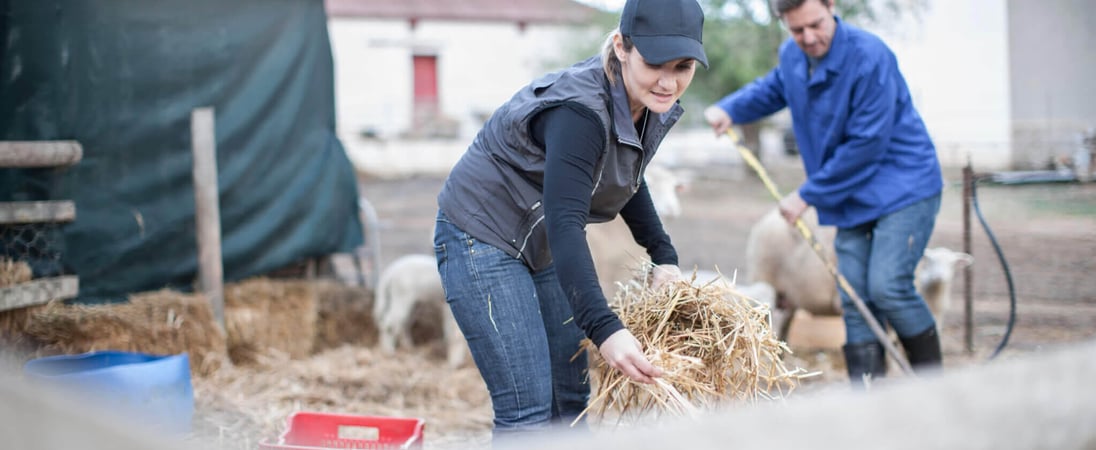
Volunteers provide hands-on help. They drive tractors, care for animals, plant crops, and more. Others contribute by donating money, equipment, or time. National Farm Rescuer Day gives credit to all these helpers. It reminds us that farming doesn’t stop for emergencies.
The day also helps raise awareness. Not everyone knows how tough life on a farm can get. Recognizing these everyday heroes helps bring attention to their work.
Without them, many farms would struggle to recover. This day encourages more people to get involved and support those who feed the nation.
Facts About National Farm Rescuer Day
Family Farms Still Dominate U.S. Agriculture
In the United States, about 98 percent of farms are classified as family farms, meaning they are majority owned by the operator and relatives.
These family operations account for roughly 86 percent of the nation’s agricultural production, showing that even in a highly industrial food system, most food still comes from businesses rooted in households and local communities.
Tractors Are the Leading Cause of Farm Deaths
Agriculture is among the most dangerous industries in the United States, and tractors are at the center of many of its tragedies. Federal safety research has found that tractor-related incidents are the leading cause of farm worker fatalities, with overturns responsible for the majority of these deaths.
Many of these fatalities are considered preventable with rollover protective structures and seat belts, yet older equipment and inconsistent retrofitting leave a lingering safety gap.
Grain Bins Can Become Deadly in Seconds
Working around stored grain carries hidden risks that can escalate quickly. According to Purdue University’s long‑running entrapment survey, dozens of people in the U.S. are trapped in grain each year, and more than half of fully engulfing incidents are fatal.
A person can become unable to free themselves in a matter of seconds as flowing corn or soybeans behave more like quicksand than a solid pile, which is why trained rescue teams stress lockout procedures and harnesses.
Neighbor-to-Neighbor “Threshing Bees” Were Early Mutual Aid
Long before modern machinery, farmers in many parts of North America organized “threshing bees” where neighbors pooled labor and equipment to thresh grain farm by farm.
These gatherings often moved from one homestead to the next, with hosts providing meals in exchange for help in the fields. Historians of rural life note that such informal work parties were a practical way to handle labor bottlenecks and also a key social glue that bound isolated farm communities together.
Barn Raisings Built More Than Buildings
In 18th and 19th century rural North America, barn raisings were major community events in which dozens of neighbors could frame and raise a barn in a single day.
While the farm family supplied materials and food, the structure itself was literally lifted into place by volunteer labor. Scholars of rural culture point out that these raisings reinforced norms of reciprocity and ensured that when disaster or hardship struck, families could count on the community to respond in kind.
Farm Work Has One of the Highest Fatality Rates
Measured by deaths per 100,000 workers, agriculture, forestry, fishing, and hunting routinely rank among the most lethal sectors in federal labor statistics.
Recent Bureau of Labor Statistics data show fatal injury rates in this combined sector several times higher than the all‑industry average, driven by incidents involving vehicles, heavy machinery, animals, and environmental hazards.
This elevated risk means that when illness or injury sidelines a farmer, there is often no simple or safe way for a family to “catch up” on their own.
Rural Hospitals Are Disappearing From Farm Country
The safety net for farm families is not just neighbors and equipment, but also nearby medical care, and that net has been fraying. Since 2010, more than a hundred rural hospitals in the United States have closed, with many others operating under severe financial strain.
The Government Accountability Office and other analysts warn that these closures increase travel times for emergency care and can worsen outcomes for traumatic farm injuries or sudden illnesses that occur far from urban medical centers.
National Farm Rescuer Day FAQs
What kinds of crises most often disrupt farm operations and require outside help?
Farm operations are frequently disrupted by sudden illness or injury to a key farmer, as well as by natural disasters such as floods, droughts, wildfires, hail, and severe storms.
These events can halt planting or harvesting, damage equipment and buildings, and interfere with livestock care.
Because much of the work is time sensitive and depends on a small labor force, even a short interruption can lead to major financial losses and long‑term stress for farm families.
How do farm crises affect the mental health of farm families?
Farm families facing crises often experience chronic stress, anxiety, depression, and feelings of isolation.
Financial pressure, long work hours, and responsibility for animals and crops can intensify when illness, injury, or weather disasters strike.
Studies in the United States and other countries have found higher rates of psychological distress and suicide risk among farmers compared with many other occupations, which has led agricultural agencies and health systems to promote dedicated mental health hotlines and outreach for rural communities.
Why are farms particularly vulnerable to labor shortages during emergencies?
Many family farms operate with only one or two primary decision‑makers and a small labor force, so most skills and responsibilities are concentrated in a few people.
When a key person is injured, ill, or called away, there may be no one with the training to safely run machinery, manage livestock, or make time‑critical decisions about planting and harvest.
Unlike many businesses, farms cannot easily pause production because crops and animals require daily attention, which makes temporary labor shortages during emergencies especially damaging.
What kind of work do farm volunteers or “farm rescuers” typically perform?
Farm volunteers commonly assist with fieldwork such as planting, cultivating, baling hay, and harvesting crops using tractors and other machinery.
They may also help feed and water livestock, bed pens, repair fences, or clean barns.
Some volunteers focus on tasks that do not require technical skills, like moving irrigation pipe, stacking bales, cleaning facilities, or providing transportation and meals to the farm family.
The exact work depends on the type of operation, season, and the abilities of the volunteers.
What safety training do non‑farm volunteers usually need before helping on a working farm?
Non‑farm volunteers typically receive an orientation that covers basic farm hazards, safe behavior around large animals and machinery, emergency procedures, and proper lifting techniques.
If they work around crops or food, they are often trained in hygiene, handwashing, and not working while sick, in line with produce safety guidance from agencies like the U.S. Food and Drug Administration.
Farms and agricultural programs are encouraged to document this training and to match each volunteer’s tasks with their age, physical ability, and experience.
What personal protective equipment is recommended for people helping on farms during or after a disaster?
People assisting on farms are generally advised to wear sturdy, closed‑toe boots, long pants, and gloves to protect against sharp objects, chemicals, and rough surfaces.
During cleanup after floods, storms, or wildfires, health agencies often recommend waterproof boots, heavy work gloves, eye protection, and sometimes respiratory protection if there is mold, dust, or ash.
Protective clothing helps reduce the risk of cuts, infections, slips, and exposure to contaminants that are common in post‑disaster environments.
How can communities support farmers in crisis without having farm skills themselves?
Community members who lack farm experience can still provide meaningful support by organizing meal trains, childcare, and transportation, or by helping with paperwork, insurance claims, and appointments.
They can assist with errands, coordinate fundraisers, or connect the farm family with extension services, financial counselors, and mental health resources.
Local groups such as churches, civic clubs, and schools often play a key role in mobilizing this kind of non‑technical assistance so that trained agricultural volunteers can focus on the work that must be done on the farm.
Also on ...
View all holidays
National Let’s Laugh Day
Laughter boosts mood, relieves stress, and strengthens relationships. So, don't forget to laugh often and spread joy wherever you go!